

Temperature brisket done: understanding the right degree
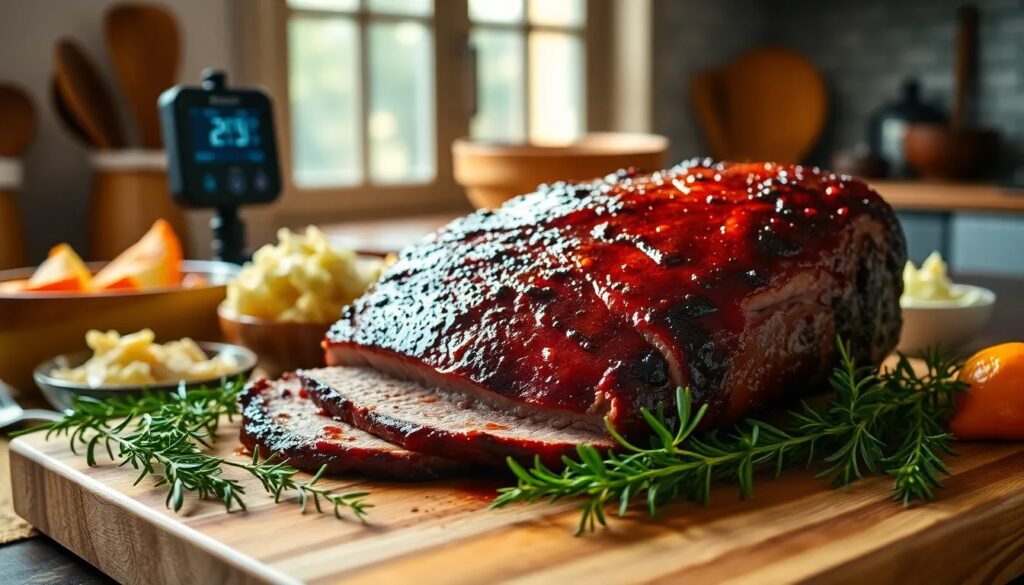
Smoking brisket is a culinary art that requires practice, patience, and the right techniques. Understanding the temperature brisket done is crucial for achieving that melt-in-your-mouth tenderness that everyone craves. This guide will walk you through the essentials of smoking brisket, from ideal temperatures to serving suggestions.
Table of Contents
- What temperature is brisket done?
- What is the ideal internal temperature for brisket?
- How long should you smoke a brisket?
- How to trim a brisket for smoking?
- What tools do you need to smoke brisket?
- How to rest a brisket after cooking?
- What to serve with smoked brisket?
- Questions related to brisket cooking temperatures
What temperature is brisket done?
The temperature brisket done refers specifically to the internal temperature at which brisket is considered fully cooked. Most pitmasters agree that the sweet spot for brisket is around 202°F (94°C). This temperature allows the connective tissues and collagen to break down, resulting in a tender and juicy piece of meat.
While some people might wonder if brisket is done at 190°F, most will agree that aiming for at least 202°F yields the best results. This ensures that the brisket is not only done but also incredibly flavorful.
Moreover, it’s essential to use a meat thermometer for precise readings. A good quality meat thermometer will help you monitor the temperature brisket done without opening the smoker too often, which can cause temperature fluctuations.
What is the ideal internal temperature for brisket?
The ideal internal temperature for brisket is a topic that often sparks debate among barbecue enthusiasts. However, a general consensus points to a range of 195°F to 205°F as optimal. At 195°F, the brisket is tender, but at 205°F, it becomes exceptionally soft and easy to pull apart.
As the brisket approaches the desired temperature, it is crucial to monitor it closely. Many pitmasters recommend pulling it off the smoker at around 195°F and allowing it to rest, as it will continue to cook slightly while resting.
Additionally, keep in mind that the type of brisket cut can also influence the ideal temperature. Flat cuts may reach tenderness sooner than point cuts, so flexibility in your cooking approach is vital.
How long should you smoke a brisket?
The smoking time for brisket can vary significantly depending on the size of the cut and the temperature of the smoker. Generally, you should plan for about 1 to 1.5 hours per pound when smoking at 225°F. For example, a 10-pound brisket may take between 10 to 15 hours to become perfectly tender.
It’s essential to understand that factors such as the humidity, the quality of the meat, and even the model of smoker can affect cook times. Therefore, relying solely on time can lead to unexpected results.
Furthermore, many pitmasters recommend a technique called “the stall,” which typically occurs around 150°F. This is when the brisket may stop rising in temperature as moisture evaporates from the surface. Wrapping the brisket in butcher paper can be an effective way to fight this stall and maintain moisture.
How to trim a brisket for smoking?
Trimming a brisket properly can significantly affect the outcome of your smoking experience. Start by removing the thick layer of fat on one side, leaving about a quarter-inch for flavor and moisture retention. Removing excess fat helps the smoke flavor penetrate the meat more effectively.
After trimming, it’s also recommended to remove any silver skin or connective tissue that can prevent proper cooking and tenderness. The goal is to expose the meat and allow for an even cook while maintaining enough fat to keep it moist.
Additionally, don’t forget to shape the brisket into a uniform thickness. This helps in achieving an even cook throughout the brisket, eliminating any overcooked or undercooked sections.
What tools do you need to smoke brisket?
To successfully smoke brisket, you’ll need a few essential tools:
- Quality smoker: Whether it’s an offset smoker, pellet grill, or electric smoker, choose one that fits your needs.
- Meat thermometer: An instant-read or probe thermometer will help you monitor the internal temperature accurately.
- Butcher paper: This helps during the stall phase and ensures your brisket remains moist.
- Sharp knife: For trimming the brisket effectively.
- Cutting board: A large, sturdy surface for preparing your brisket.
Having these tools on hand will streamline the smoking process and help you achieve the best results. Remember, using the right equipment can make a substantial difference in the quality of your smoked brisket.
How to rest a brisket after cooking?
Resting your brisket is a vital part of the cooking process. Once you remove it from the smoker, let it rest for at least 30 to 60 minutes before slicing. This allows the juices to redistribute throughout the meat, ensuring that each slice is moist and tender.
Wrap your brisket in butcher paper or foil to retain heat during the resting period. Some pitmasters even place it in a cooler, which helps maintain the temperature longer without cooking it further.
It’s essential not to skip this step, as slicing too soon can result in dry meat. A well-rested brisket offers a much more enjoyable eating experience.
What to serve with smoked brisket?
Smoked brisket pairs wonderfully with a variety of sides. Here are some popular options:
- Coleslaw: Its crunch and acidity balance the richness of the brisket.
- BBQ baked beans: A classic side that complements smoked meats perfectly.
- Cornbread: Adds a touch of sweetness and texture to your meal.
- Pickles: The acidity cuts through the fatty brisket, enhancing the flavors.
- Potato salad: A hearty option that complements the smoky flavors.
Feel free to mix and match sides according to your taste. The key is to find flavors that complement the rich, smoky brisket.
Is brisket done at 190 or 200?
Brisket can be done around 190°F, but it is generally recommended to aim for 202°F for optimal tenderness. While some cooks may choose to pull it off the heat around 190°F, allowing it to rest can further improve the texture.
Ultimately, the temperature brisket done is subjective; what matters most is individual preference and ensuring the brisket is cooked through to break down the collagen effectively.
What temperature do you pull brisket off the smoker?
The ideal temperature to pull brisket off the smoker is typically between 195°F and 205°F. Most pitmasters will recommend removing it from the heat at about 200°F, then allowing it to rest before slicing.
This resting period is crucial for redistributing juices throughout the meat, enhancing flavor and tenderness. Remember, the meat will continue to cook slightly after being removed from the smoker.
Why does brisket need to be 205?
Brisket needs to reach 205°F to ensure that the collagen has completely broken down, resulting in a tender and flavorful piece of meat. At this temperature, the meat fibers soften, making it easier to slice and eat.
Cooking brisket to this temperature allows the fat to render properly, contributing to a juicy and satisfying experience. Many enthusiasts argue that this peak point is essential for achieving that quintessential melt-in-your-mouth sensation.
Is smoked brisket done at 180 degrees?
Smoked brisket is generally not considered done at 180°F. While it may be safe to eat at this temperature, it will likely lack the tenderness and flavor that comes from cooking it to higher temperatures.
For the best results, aim for the range of 195°F to 205°F to ensure the meat is fully cooked and enjoyable. The goal is to break down the connective tissues effectively, which is not achieved at 180°F.
If you want to know other articles similar to Temperature brisket done: understanding the right degree you can visit the category BBQ Cooking Tips.
More embers