
Will steel rust?
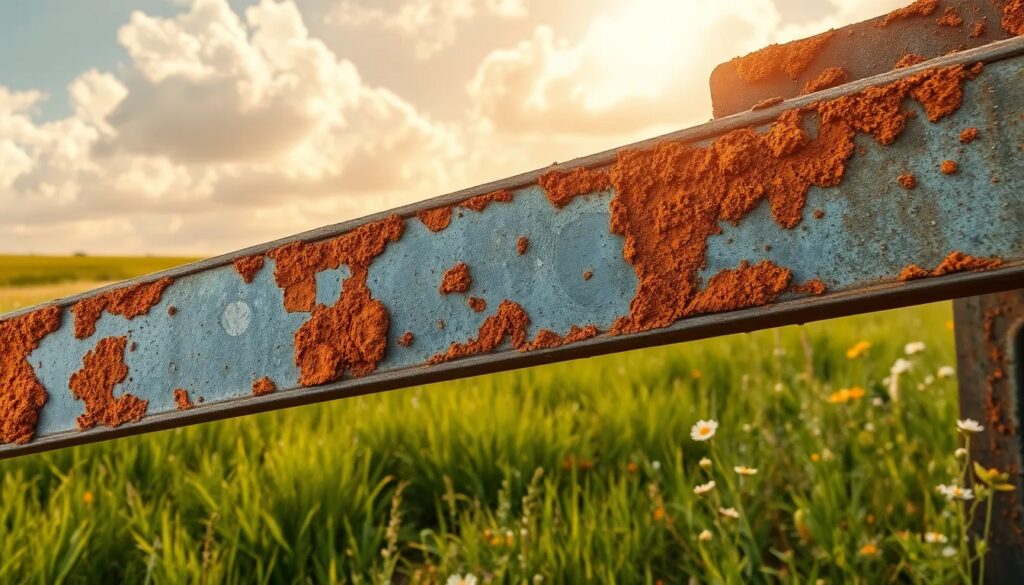
Rust is a common issue that affects various metals, particularly iron and steel. Understanding whether will steel rust is crucial for those who work with these materials in construction and manufacturing. In this article, we will explore the types of metals that rust, the factors influencing rust formation, and how to prevent it.
Rust can significantly affect the longevity and safety of metal structures. Knowing which metals resist rust can inform better choices in materials and applications.
Index
What metals do not rust?
Several metals are known for their rust-resistant properties. These include:
- Stainless steel: Contains chromium, which forms a protective layer against rust.
- Aluminum: Does not contain iron, making it rustproof due to a protective oxide layer.
- Copper: Develops a green patina that protects against further corrosion.
- Bronze: An alloy of copper and tin that resists rust.
When selecting materials for outdoor projects or environments prone to moisture, non-ferrous metals are often the best choice. Understanding the properties of these metals can help in making informed decisions.
 2 burner blackstone griddle review
How does rust form and ways to prevent steel from rusting?
Rust forms through a chemical reaction involving iron, oxygen, and water. This process, known as oxidation, leads to the formation of iron oxide, commonly known as rust. The rusting process can be accelerated by factors such as:
- High humidity levels
- Exposure to saltwater
- Acidic environments
To prevent rusting in steel, several methods can be employed:
- Protective coatings: Applying paint or varnish creates a barrier against moisture.
- Galvanization: Coating steel with zinc provides a protective layer.
- Stainless steel: Using alloys that include chromium can enhance resistance to rust.
- Regular maintenance: Inspecting and repairing any damage can help prevent rust development.
By implementing these prevention methods, the lifespan of steel structures can be significantly extended, reducing maintenance costs and improving safety.
Will steel rust?
The straightforward answer is yes; will steel rust if not properly protected. Steel, particularly carbon steel, is susceptible to rusting due to its iron content. However, the rate of rust formation can vary based on several factors such as environmental conditions and the type of steel.
2 burner blackstone griddle review Amazing rib recipes for perfect BBQ
For example, mild steel rusts more easily than galvanized steel, which has a protective zinc coating. Therefore, understanding the specific type of steel and its properties can dictate the necessary protective measures.
Why do some steels rust more easily than others?
The rusting tendency of steel can be influenced by its composition. Steels with a higher carbon content, such as carbon steel, tend to rust more quickly compared to stainless steels. This is due to the lack of protective elements like chromium.
Moreover, other factors include:
- Environmental exposure: Steels used in coastal or industrial areas face higher risks due to salt and pollutants.
- Surface finish: Rough or unprotected surfaces can retain moisture, accelerating rust formation.
Understanding these variables can help in selecting the right type of steel for specific applications, ensuring better longevity and performance.
2 burner blackstone griddle reviewAmazing rib recipes for perfect BBQ Barbecue grill cleaners
Why doesn't stainless steel rust?
Stainless steel is specifically designed to resist rust due to its unique composition. The addition of chromium (at least 10.5%) creates a thin layer of chromium oxide on the surface, preventing oxygen and moisture from reaching the iron beneath.
In addition to its rust-resistant properties, stainless steel is valued for its:
- Durability: It is strong and resistant to wear.
- Corrosion resistance: Effective in various environments, including acidic and alkaline conditions.
This makes stainless steel an excellent choice for applications ranging from kitchen appliances to outdoor structures, where longevity and low maintenance are essential.
Does steel rust in water?
Yes, steel can rust in water, particularly if the water contains electrolytes such as salt. This creates a more conducive environment for corrosion. Freshwater can also lead to rusting, though the process may be slower.
2 burner blackstone griddle reviewAmazing rib recipes for perfect BBQBarbecue grill cleaners Cast iron griddle on gas grill: tips and tricks
To protect steel from rusting in water, consider applying protective coatings or using stainless steel alternatives. Regular maintenance and inspections are also crucial to catch any signs of rust early on.
Does aluminum rust?
Aluminum does not rust because it lacks iron in its composition. Instead, aluminum can corrode but typically forms a protective oxide layer that prevents further deterioration.
This characteristic makes aluminum a popular choice for applications exposed to moisture, such as window frames and outdoor furniture. Its lightweight and corrosion-resistant properties make it ideal for various uses.
It is essential to differentiate between rust (specifically related to iron and steel) and corrosion, which can occur in non-ferrous metals like aluminum. Understanding these differences is vital for material selection and maintenance strategies.
2 burner blackstone griddle reviewAmazing rib recipes for perfect BBQBarbecue grill cleanersCast iron griddle on gas grill: tips and tricks How to clean outdoor grill
How long will it take for steel to rust?
The time it takes for steel to rust can vary widely based on environmental conditions. In humid or salty environments, rust can develop within a few days, while in dry conditions, it may take months or even years.
Regular exposure to water accelerates the rusting process, so understanding the specific conditions surrounding the steel is crucial in predicting rust formation.
What metal is rust proof?
Several metals are considered rust-proof, including aluminum, stainless steel, and copper. These metals do not contain iron or have protective coatings that prevent oxidation. Stainless steel, for instance, is widely used in environments prone to moisture due to its rust-resistant properties.
How do you stop steel from rusting?
To stop steel from rusting, several strategies can be employed, including:
2 burner blackstone griddle reviewAmazing rib recipes for perfect BBQBarbecue grill cleanersCast iron griddle on gas grill: tips and tricksHow to clean outdoor grill How to get rid of bacon grease safely
- Applying protective coatings: Paint, varnish, or specialized rust inhibitors can shield steel from moisture.
- Using stainless steel: Opting for rust-resistant alloys can avoid corrosion issues altogether.
- Regular maintenance: Conducting inspections and cleaning can prevent rust formation by removing moisture and contaminants.
Will steel rust in water?
Yes, steel will rust in water, especially if the water contains salt or other corrosive elements. Freshwater can also lead to rust, albeit at a slower rate. Protective coatings and regular maintenance are essential to prolong the life of steel structures exposed to water.
In conclusion, understanding the factors that influence rust formation and the properties of various metals is crucial for making informed decisions in material selection and maintenance. By using the right materials and protective strategies, the risks associated with rust can be significantly mitigated.
If you want to know other articles similar to Will steel rust? you can visit the category BBQ Equipment and Maintenance.
Limpia barbacoas: guía completa para una limpieza efectiva

bbq kamado: the ultimate guide to ceramic grilling

Barril ahumador españa
Deja una respuesta

Gestionar consentimiento
Funcional Siempre activo
El almacenamiento o acceso técnico es estrictamente necesario para el propósito legítimo de permitir el uso de un servicio específico explícitamente solicitado por el abonado o usuario, o con el único propósito de llevar a cabo la transmisión de una comunicación a través de una red de comunicaciones electrónicas.
Preferencias
El almacenamiento o acceso técnico es necesario para la finalidad legítima de almacenar preferencias no solicitadas por el abonado o usuario.
Estadísticas
El almacenamiento o acceso técnico que es utilizado exclusivamente con fines estadísticos. El almacenamiento o acceso técnico que se utiliza exclusivamente con fines estadísticos anónimos. Sin un requerimiento, el cumplimiento voluntario por parte de tu proveedor de servicios de Internet, o los registros adicionales de un tercero, la información almacenada o recuperada sólo para este propósito no se puede utilizar para identificarte.
Marketing
El almacenamiento o acceso técnico es necesario para crear perfiles de usuario para enviar publicidad, o para rastrear al usuario en una web o en varias web con fines de marketing similares.
More embers