

Understanding blacktop: definition and uses
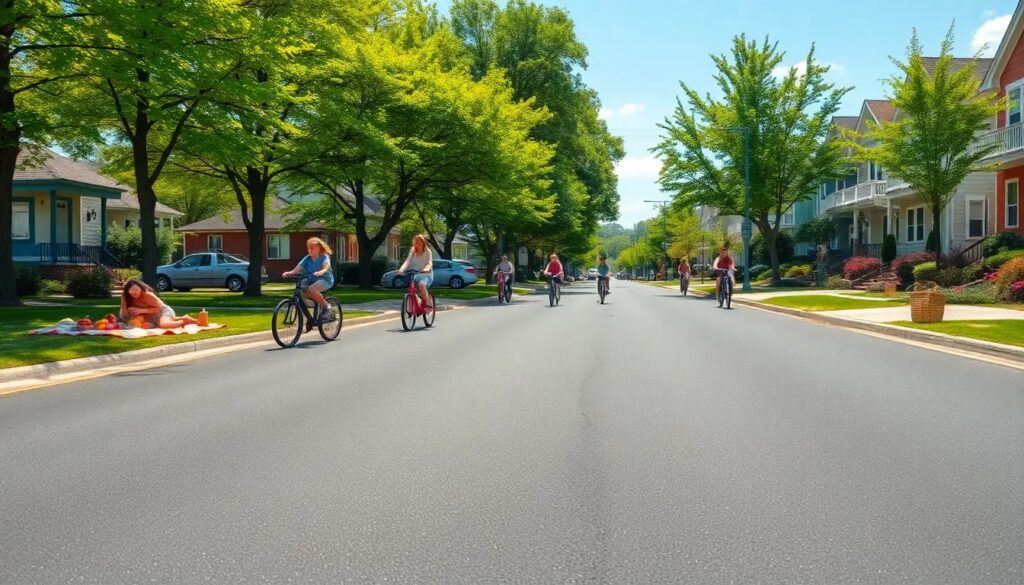
Blacktop, also known as asphalt, is an essential material used in modern infrastructure, particularly for paving roads and driveways. Its durability and adaptability make it a popular choice for various applications. In this article, we will delve into the various aspects of blacktop, including its definition, uses, benefits, and maintenance tips.
Understanding blacktop is crucial for anyone involved in construction or road maintenance. This article aims to provide a comprehensive overview, helping you to make informed decisions about the use of blacktop in your projects.
Table of Contents
- What is blacktop?
- What are the uses of blacktop?
- What is the difference between blacktop and asphalt?
- Are asphalt and blacktop the same thing?
- What are the benefits of using blacktop?
- How to repair blacktop surfaces?
- What are the environmental impacts of blacktop?
- Related questions about blacktop
- Frequently asked questions about blacktop and its uses
What is blacktop?
Blacktop refers to a mixture of aggregates, such as gravel and sand, combined with a binder, typically asphalt. This bituminous material is primarily used for surfacing roads, parking lots, and driveways. Blacktop is favored for its durability, cost-effectiveness, and ease of application.
The material is created through a heating process that allows it to be poured and molded into various shapes. Once cooled, it hardens to create a robust surface capable of withstanding heavy loads and adverse weather conditions.
Blacktop has been widely used since at least 1917 and has become synonymous with road construction. Its properties make it an ideal choice not just for roads, but also for recreational areas like school playgrounds.
What are the uses of blacktop?
Blacktop serves numerous purposes in construction and maintenance. Some of its primary uses include:
- Paving roads and highways
- Surfacing driveways and parking lots
- Creating paths and walkways
- Constructing sports courts and recreational facilities
- Coating and protecting surfaces against wear and tear
Its versatility extends beyond traditional applications. For instance, blacktop can be utilized in artistic projects, where its smooth finish is ideal for creative expressions, such as murals or community art installations.
What is the difference between blacktop and asphalt?
The terms blacktop and asphalt are often used interchangeably, but they do have distinct differences. Blacktop is a specific type of asphalt that often contains more gravel and is designed primarily for surface paving. In contrast, asphalt is a broader term that refers to the entire category of bituminous materials used in construction.
Another difference lies in their compositions. Blacktop typically consists of a higher percentage of aggregate compared to traditional asphalt, making it more suitable for surfaces that require additional durability.
This distinction is crucial for those involved in road construction and maintenance, as choosing the right material can significantly affect the longevity and performance of the paved surface.
Are asphalt and blacktop the same thing?
While asphalt and blacktop share similarities, they are not technically the same. Blacktop is essentially a type of asphalt, but with a specific formulation meant for surfacing purposes. Asphalt as a category includes a wide range of products used for different applications, such as roofing and waterproofing.
Understanding this difference is vital for contractors and builders. Selecting the appropriate material based on the specific requirements of a project can greatly influence the outcome and longevity of the installation.
What are the benefits of using blacktop?
There are several benefits to using blacktop in construction projects:
- Durability: Blacktop surfaces can withstand heavy traffic and adverse weather conditions, making them long-lasting.
- Cost-effectiveness: Compared to other paving materials, blacktop is more affordable, both in terms of initial investment and maintenance.
- Quick installation: The application of blacktop is relatively fast, allowing for minimal disruption to traffic and surrounding areas.
- Low maintenance: Blacktop surfaces require less frequent repairs than other materials, saving time and resources in the long run.
Moreover, blacktop’s smooth finish provides an aesthetically pleasing appearance, making it an attractive choice for residential areas, commercial properties, and public spaces.
How to repair blacktop surfaces?
Maintaining and repairing blacktop surfaces is crucial for their longevity. Here are some steps to consider:
- Inspect the surface regularly for cracks or potholes.
- Clean the area to remove debris and dirt.
- Use a patching compound specifically designed for blacktop to fill in cracks and holes.
- Seal the surface to protect it from moisture and UV damage.
- Consider reapplying an additional layer of blacktop if the surface is significantly worn.
Proper maintenance can significantly extend the life of blacktop surfaces, ensuring they remain functional and visually appealing over time. Regular sealing and timely repairs can help prevent extensive damage, which can be costly to address.
What are the environmental impacts of blacktop?
The environmental impacts of blacktop are an important consideration. Blacktop materials are generally considered safe and non-toxic; however, their production and application can contribute to various environmental issues.
For instance, the production of blacktop involves heating bituminous materials, which can emit volatile organic compounds (VOCs) into the atmosphere. Furthermore, the heat can lead to localized air quality issues. However, many manufacturers are now adopting greener practices to mitigate these impacts.
Additionally, blacktop surfaces can affect local water drainage and runoff patterns, potentially leading to erosion or water pollution. Implementing proper drainage systems and using porous blacktop alternatives can help alleviate these concerns.
Frequently asked questions about blacktop and its uses
What is the meaning of blacktop?
The term blacktop represents a mixture of aggregates and asphalt that is primarily used for paving roads and other surfaces. Its use has become widespread since its initial implementation, highlighting its importance in infrastructure development.
What is the difference between blacktop and asphalt?
As previously mentioned, blacktop is a specific type of asphalt characterized by its unique composition primarily geared towards surfacing. Asphalt, on the other hand, encompasses a broader range of bituminous products used in various construction applications.
Is it black top or blacktop?
The correct term is blacktop, written as a single word. Although some may refer to it as "black top," the industry standard is to use the unhyphenated form.
How much should a blacktop driveway cost?
The cost of a blacktop driveway can vary based on various factors such as size, geographical location, and the contractor's rates. On average, you might expect to pay between $2 to $5 per square foot. It’s advisable to obtain multiple quotes to ensure a competitive price.
For homeowners looking to install a blacktop driveway, it is essential to factor in additional costs like excavation, grading, and sealing, which can influence the overall budget.
To further enhance your understanding of blacktop, you might find this video helpful:
If you want to know other articles similar to Understanding blacktop: definition and uses you can visit the category BBQ Accessories.


More embers