

Sausage casing guide
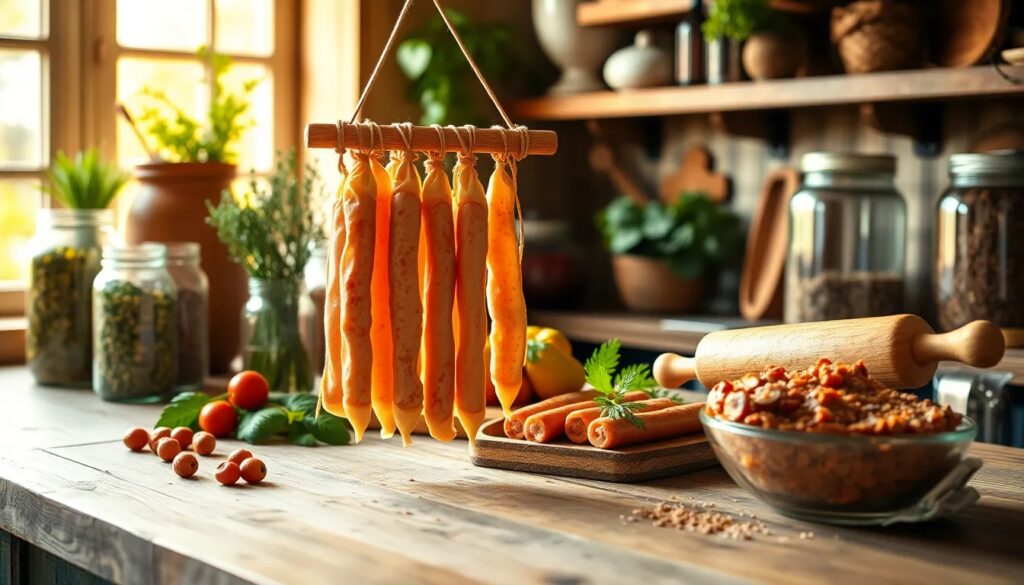
Sausage casings play a crucial role in the art of sausage making. They help keep the contents intact, ensuring that the sausages maintain their shape and flavor. Whether you're a seasoned sausage maker or a beginner, understanding the different types of casings available will enhance your sausage-making experience.
In this comprehensive guide, we will explore various aspects of sausage casings, including their materials, uses, and where to find them. By the end, you will have a deeper understanding of how to choose the right sausage casing for your needs.
Table of Contents
- What is sausage casing made of?
- Are you supposed to eat sausage casing?
- Is sausage casing still intestine?
- What is the best casing for sausages?
- Where to buy sausage casings near me?
- How to choose the right sausage casing?
- What are the benefits of using natural sausage casings?
- Related Questions About Sausage Casings
What is sausage casing made of?
Sausage casings can be made from a variety of materials, primarily categorized into natural and artificial options. Natural casings are derived from the intestines of animals such as pigs, sheep, and cattle. These casings undergo a thorough cleaning process and are often salted for preservation.
On the other hand, collagen casings, which are a popular synthetic alternative, are made from the collagen found in animal hides. These casings offer a consistent size and strength, making them ideal for both homemade and commercial sausages. Some other synthetic options include cellulose and plant-based casings, which cater to various dietary needs.
In summary, the choice of material affects not only the texture and flavor of the sausage but also the overall experience of cooking and consuming it.
Are you supposed to eat sausage casing?
Generally, sausage casings are safe to eat, especially if they are natural. However, some people may have preferences regarding whether to consume them or not. Natural casings are edible and contribute to the sausage's texture and flavor profile.
For those using synthetic casings, such as collagen or cellulose, it's important to check the packaging. Some synthetic casings may not be intended for consumption, particularly those labeled for commercial use. Always read the product information to ensure that you are aware of any specific guidelines.
If you're making homemade sausages, consider your audience. Some individuals may have dietary restrictions or preferences that make them cautious about eating casings. It's a good idea to inform guests about the type of casing used in your sausages.
Is sausage casing still intestine?
Yes, many natural sausage casings are still sourced from animal intestines. These casings are the traditional choice for sausage making due to their ability to hold moisture and flavor effectively. The intestines are meticulously cleaned and processed to create a safe and edible product.
Despite the rise of synthetic options, the use of natural casings remains popular among artisanal sausage makers. The texture and taste that natural casings impart to sausages are often unmatched by artificial alternatives. They provide a unique bite that enhances the overall flavor experience, making them a preferred choice for many enthusiasts.
In the end, while synthetic casings have their benefits, the traditional method of using intestines continues to thrive in the sausage-making community.
What is the best casing for sausages?
Choosing the best casing for sausages depends on several factors, including the type of sausage you are making and personal preferences. Here are some popular options:
- Hog casings: These are widely used for fresh sausages and have a robust flavor that complements various meats.
- Sheep casings: Ideal for smaller sausages, they provide a delicate texture and are often used for specialty products like breakfast links.
- Beef casings: Known for their strength, beef casings are perfect for larger sausages and have a unique taste.
- Collagen casings: These are versatile and easy to use, making them a great choice for beginners.
- Cellulose casings: Typically not edible, these are often used for hot dogs and similar products.
When selecting a casing, consider factors such as the size and type of sausage, as well as any dietary restrictions. Each casing type has its unique properties and flavor contributions, which can greatly impact the final product.
Where to buy sausage casings near me?
Purchasing sausage casings can be done through various channels. Many local butcher shops or specialty meat markets offer a selection of casings. These businesses often carry natural casings sourced from reputable suppliers, giving you the chance to ask questions about their products.
Online shopping is another convenient option. Several websites specialize in sausage making supplies, providing a wide range of casings and other necessary ingredients. Look for trusted online retailers that offer customer reviews and detailed product descriptions.
Consider joining local sausage making groups or forums. These communities can provide valuable recommendations on where to find quality casings and may even have tips on sourcing them at competitive prices.
How to choose the right sausage casing?
When selecting the right sausage casing, consider the following factors:
- Size: Ensure the casing matches the size of the sausage you want to make. Different styles of sausages may require different diameters.
- Material: Decide between natural and synthetic casings based on your preference and the type of sausage.
- Texture: Some casings lend a firmer texture to sausages, while others create a more tender bite.
- Flavor: Consider how the casing will complement the filling ingredients. Natural casings often enhance flavor, while synthetic options may not.
- Ease of use: If you're a beginner, you might prefer casings that are easier to work with, such as collagen or pre-tied options.
Taking these factors into account will help you make an informed decision when choosing the perfect sausage casing for your next batch of sausages.
What are the benefits of using natural sausage casings?
Natural sausage casings offer numerous benefits, making them a favored choice among many sausage makers:
1. Flavor enhancement: Natural casings add a distinctive taste and aroma to sausages, enriching the overall eating experience.
2. Texture: The unique characteristics of natural casings contribute to the mouthfeel of the sausage, providing a satisfying bite.
3. Moisture retention: They help in moisture retention, ensuring that the sausage remains juicy during cooking.
4. Traditional appeal: Many consumers appreciate the authenticity of sausages made with natural casings, associating them with high-quality artisanal products.
5. Versatility: Natural casings can be used for a variety of sausage types, from Italian sausages to bratwursts, making them an adaptable choice.
By choosing natural casings, you are opting for a time-honored method that can elevate the quality of your homemade sausages.
What is sausage casing made of?
Sausage casing can be made from various materials, including natural animal intestines and synthetic options like collagen. Natural casings come from animals such as pigs and sheep, while collagen casings provide a consistent and easy-to-use alternative. The choice of material impacts the sausage's texture and flavor significantly.
Are you supposed to eat sausage casing?
Most natural sausage casings are edible and safe to consume, enhancing the sausage's flavor. However, synthetic casings may not always be intended for eating. It's essential to check product labels, especially when using commercial-grade casings.
Is sausage casing still intestine?
Yes, many natural casings still come from animal intestines. They are thoroughly cleaned and processed before being used in sausage making. Despite the availability of synthetic options, natural casings remain popular for their flavor and texture.
What is the best casing for sausages?
The best casing depends on the type of sausage being made. Hog casings are excellent for fresh sausages, while sheep casings are perfect for smaller links. Collagen casings are versatile and great for beginners. Always consider the flavor and texture you want to achieve when selecting a casing.
If you want to know other articles similar to Sausage casing guide you can visit the category BBQ Accessories.


More embers