

Pizza baking stones: the key to perfect crust
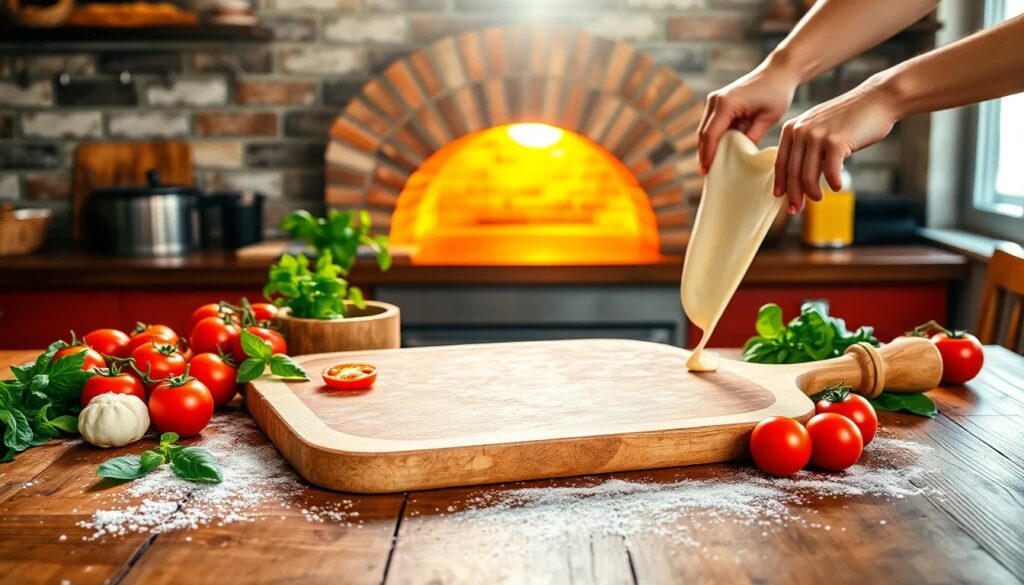
When it comes to achieving the perfect pizza crust, pizza baking stones are an essential tool in any pizza lover's kitchen. These stones help distribute heat evenly, resulting in a crispy and delicious crust that rivals your favorite pizzeria. In this article, we will explore the various types of baking stones, how they work, and what to look for when choosing one.
Understanding the key features and benefits of pizza baking stones can greatly enhance your baking experience. Whether you're a novice or an experienced pizza maker, this guide will provide valuable insights to help you make informed decisions for your pizza baking needs.
Table of Contents
- How do pizza baking stones work?
- What are the benefits of using a baking stone?
- What to look for in a pizza baking stone?
- How to clean a pizza stone properly?
- What is the best baking stone for pizza?
- Are there alternatives to traditional pizza stones?
- How do different materials affect pizza baking?
- Questions related to pizza baking stones
How do pizza baking stones work?
Pizza baking stones work by absorbing moisture from the dough while baking. This process helps create a crispy crust, as the stone's heat ensures even cooking. The stones are typically made from materials that retain and radiate heat effectively.
When preheated, the stone reaches high temperatures that mimic the conditions of a traditional brick oven. This high heat is essential for achieving that signature crust. The stone's ability to maintain temperature means that your pizza cooks evenly, preventing sogginess.
Different materials, such as cordierite and ceramic, have unique properties that affect their heat retention and distribution. Cordierite, in particular, is known for its durability and high thermal shock resistance, making it a popular choice among pizza enthusiasts.
What are the benefits of using a baking stone?
Using a baking stone offers several advantages that can elevate your pizza-making game:
- Crispy crust: The primary benefit is the ability to create a perfectly crispy crust, thanks to the stone's heat retention.
- Even cooking: The stone distributes heat evenly, ensuring that your pizza cooks uniformly.
- Versatility: Baking stones can also be used for bread and other baked goods, making them a multifunctional kitchen tool.
- Durability: High-quality stones, especially those made from cordierite, can withstand extreme temperatures and last for years.
Moreover, using a baking stone can significantly enhance the flavor and texture of your pizzas. The stone absorbs moisture, preventing a soggy bottom and allowing for that authentic pizzeria taste.
What to look for in a pizza baking stone?
When selecting a pizza baking stone, consider the following factors:
- Material: Choose between options like cordierite, ceramic, or cast iron. Each material has its benefits and drawbacks.
- Thickness: Thicker stones retain heat better, while thinner ones heat up faster.
- Size: Ensure the stone fits in your oven and can accommodate the size of your pizzas.
- Price: Invest in a quality stone that suits your budget; cheaper options may not perform as well.
Additionally, consider the ease of cleaning and maintenance. Some stones require more care than others. For instance, cast iron stones may need seasoning, while ceramic stones may be easier to clean.
How to clean a pizza stone properly?
Proper maintenance of your pizza baking stone is crucial for longevity. Here are some tips for cleaning:
- Let it cool: Always allow the stone to cool completely before cleaning to prevent cracking.
- Scrape off residue: Use a spatula or scraper to remove any leftover food particles.
- Avoid soap: Do not use soap, as it can be absorbed by the stone and affect the flavor of future pizzas.
- Rinse with water: If necessary, rinse the stone with warm water. Avoid soaking it in water.
Regular maintenance will ensure that your stone remains in top condition and continues to provide excellent results with each use.
What is the best baking stone for pizza?
The best baking stone for pizza largely depends on your specific needs and preferences. Popular options include:
- King Arthur Baking Stone: Known for its durability and even heat distribution, this stone is a favorite among many bakers.
- Lodge Cast Iron Pizza Stone: This option is versatile and can be used both in the oven and on the grill.
- PizzaQue Baking Stone: Ideal for outdoor grilling, this stone can withstand high temperatures.
- Nerd Chef Steel Baking Surface: For those who prefer steel, this option offers rapid heating and superb crusts.
Each of these stones has its unique benefits, and the right choice will depend on your cooking style and preferences.
Are there alternatives to traditional pizza stones?
Yes, there are several alternatives to traditional pizza baking stones. Some popular options include:
- Pizza steel: Made from steel, this option provides excellent heat retention and can create an even crispier crust.
- Clay pizza stones: Often favored for their ability to absorb moisture, they can also impart a unique flavor to your pizza.
- Firebrick: Used in traditional pizza ovens, these bricks offer great heat retention and can be used in home ovens as well.
These alternatives provide various benefits and can cater to different cooking styles, making them viable options for pizza enthusiasts.
How do different materials affect pizza baking?
The material of a pizza baking stone significantly impacts the baking process. Here's how:
- Cordierite: Known for its durability and ability to withstand thermal shock, cordierite stones heat evenly and are less prone to cracking.
- Ceramic: While these stones can be effective, they may not retain heat as well as cordierite and can be more fragile.
- Cast iron: Offers excellent heat retention and can create a beautifully crispy crust, but requires careful maintenance.
- Steel: Heats up faster than stones, making it ideal for those who want quick preheating and a crispy result.
Understanding the characteristics of each material can help you choose the right pizza baking stone for your needs, ensuring you achieve the best results in your pizza-making endeavors.
Does a pizza stone really make a difference?
Absolutely! A pizza stone plays a crucial role in achieving a perfect crust. The stone absorbs moisture from the dough, resulting in a crispy texture that is difficult to achieve with a regular baking sheet. Furthermore, the stone distributes heat evenly, ensuring that your pizza cooks uniformly without any soggy spots. This makes a notable difference in flavor and texture, enhancing your overall pizza experience.
What is the best baking stone for pizza?
The best baking stone for pizza varies based on personal preference. Many enthusiasts recommend cordierite stones for their heat retention and durability. However, options like cast iron and steel also have their merits. For instance, if you're looking for versatility, a cast iron stone can be used in both ovens and grills. Ultimately, the best choice will depend on your baking style and what you value most in your cooking.
What type of stone is best for a pizza oven?
For a pizza oven, firebrick is often considered the best type of stone. Firebrick can withstand extremely high temperatures, making it ideal for traditional wood-fired ovens. Alternatively, pizza steels are also popular due to their ability to heat up quickly and create a superb crust. Both options can yield excellent results, so it ultimately comes down to your specific oven setup and cooking preferences.
Are baking stones and pizza stones the same?
Yes, baking stones and pizza stones are essentially the same. These terms are often used interchangeably, referring to the flat stones used to bake pizzas and other baked goods. However, some baking stones may be marketed for specific purposes, such as bread baking, while pizza stones are specifically designed to create the perfect pizza crust. Regardless, both serve the same fundamental purpose of enhancing baking performance.
If you want to know other articles similar to Pizza baking stones: the key to perfect crust you can visit the category BBQ Accessories.


More embers