

Best wood cutter board options for your kitchen
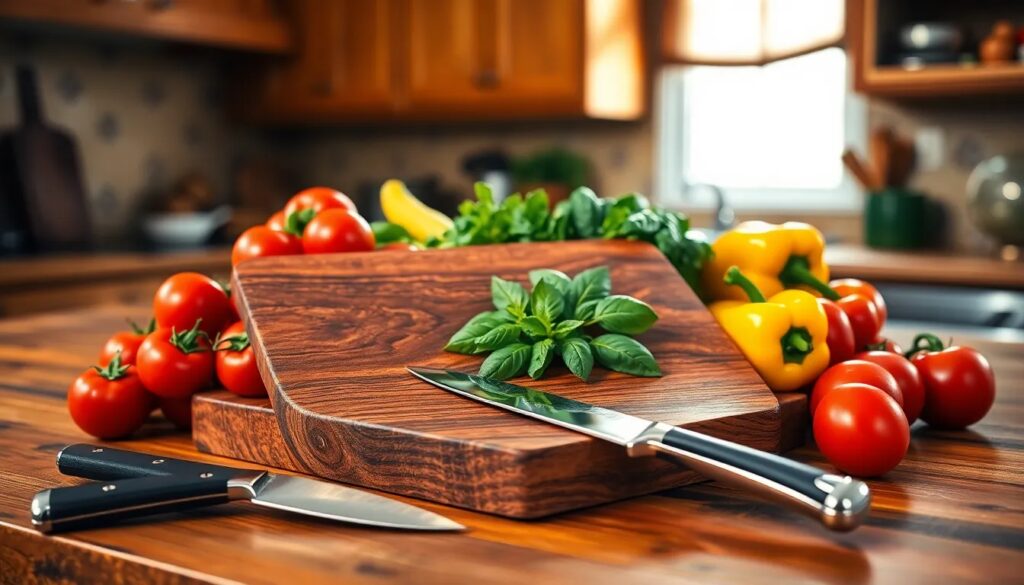
When it comes to choosing a wood cutter board, there are many options available that cater to different needs and preferences. Understanding the features and materials of these boards is essential for making an informed choice. In this guide, we will explore the best options, how to choose the right one, and answers to frequently asked questions.
Table of Contents
- What are the best wood cutter board options for your kitchen?
- How to choose the right wood cutter board?
- What is the best wood for making a cutting board?
- What are the key features to look for in a wood cutter board?
- How to care for your wood cutter board?
- What is the difference between a butcher board and a cutting board?
- Are wood cutting boards worth it?
- Frequently asked questions about wood cutter boards
What are the best wood cutter board options for your kitchen?
Selecting the right wood cutter board can significantly enhance your cooking experience. Some of the best wood cutter board options include well-known brands such as Boos Blocks and Boardsmith, which provide high-quality, durable products. These boards are crafted from premium hardwoods like maple, cherry, and walnut, ensuring they can withstand daily use.
Another popular choice among home chefs is the end grain cutting board. This type of board is designed to be gentle on knives and highly resistant to cuts and scratches. Additionally, many boards come with features like juice grooves, which help contain liquids while you chop and prepare food.
You might also consider custom wood cutter boards for a personalized touch. These boards not only serve as functional kitchen tools but also add aesthetic value to your countertop. Many artisans craft bespoke boards, allowing you to choose the type of wood and design that best suits your style.
How to choose the right wood cutter board?
Choosing the right wood cutter board involves several factors. First, consider the type of wood. Hardwoods like maple and walnut are ideal due to their durability and resistance to bacteria. Here are some points to keep in mind:
- Size: Consider the space in your kitchen and your cooking habits. A larger board is great for prep work, while a smaller one is easier to store.
- Thickness: Thicker boards tend to be more durable and less prone to warping.
- Grain type: End grain boards are gentler on knives, while edge grain boards offer a more uniform surface.
Additionally, think about maintenance. Some boards require regular oiling to keep them in top condition. Choosing one that fits your lifestyle is key.
What is the best wood for making a cutting board?
The best wood for making a cutting board is typically hardwood due to its density and durability. Options like maple, cherry, and walnut are popular among both professional chefs and home cooks.
Maple is often favored because it is hard, has a fine grain, and is naturally antibacterial. Walnut, on the other hand, offers a rich color and is less prone to showing scratches. Cherry wood develops a beautiful patina over time, making it a stunning choice for those who appreciate aesthetics in their kitchen.
It's essential to avoid softwoods like pine, as they are more susceptible to scratches and damage.
What are the key features to look for in a wood cutter board?
When selecting a wood cutter board, certain features can enhance its usability and longevity. Look for:
- Non-slip surface: Boards with rubber feet or a textured surface can prevent slipping during use.
- Juice grooves: These grooves catch liquids, keeping your workspace tidy.
- Reversible design: Some boards offer a double-sided surface, allowing for versatile use.
- Easy to clean: Ensure the wood is sealed properly for easy cleaning without damaging the surface.
These features not only improve functionality but also contribute to the overall quality and durability of the board.
How to care for your wood cutter board?
Caring for your wood cutter board is crucial to extend its lifespan. Here are some effective tips on how to maintain your wooden cutting board effectively:
1. Wash with mild soap: After each use, wash the board with warm water and mild soap. Avoid soaking it, as excessive moisture can lead to warping.
2. Dry immediately: Wipe off the moisture with a clean cloth and allow it to air dry completely to prevent bacteria growth.
3. Oil regularly: Applying food-grade mineral oil every few weeks helps maintain the wood’s condition and prevents it from drying out.
4. Avoid harsh chemicals: Steer clear of bleach or abrasive cleaners, as these can damage the wood.
Following these care steps ensures that your board remains in excellent condition for years.
What is the difference between a butcher board and a cutting board?
The terms "butcher board" and "cutting board" are often used interchangeably, but there are distinct differences. A butcher block is typically thicker and made from sturdy hardwoods, designed to withstand heavy chopping and slicing.
In contrast, a cutting board can be thinner and made from various materials, including plastic or bamboo. While both serve similar functions, butcher boards are often preferred for their durability and are more suited for heavy-duty tasks.
Understanding these differences can help you choose the right board based on your cooking needs.
Are wood cutting boards worth it?
Absolutely! Wood cutting boards offer several advantages that make them worth the investment. They provide a durable surface that can withstand frequent use, plus their natural materials resist bacteria better than plastic alternatives.
Moreover, the aesthetic appeal of a wood cutter board adds a touch of elegance to any kitchen. You can also find various designs and styles, including custom wood cutter boards, allowing you to have a unique piece that fits your kitchen decor.
While they may require more maintenance than plastic boards, the benefits of durability and visual appeal far outweigh the downsides.
Frequently asked questions about wood cutter boards
What type of wood is best for making a cutting board?
The best types of wood for making a cutting board are hardwoods such as maple, cherry, and walnut. These woods are dense, durable, and naturally resistant to bacteria, making them ideal for food preparation. Maple is particularly popular due to its fine grain and resistance to knife marks, while walnut offers a rich color and is softer on knife edges.
What is the difference between a butcher board and a cutting board?
The main difference between a butcher board and a cutting board lies in their thickness and intended use. Butcher blocks are generally thicker, designed for heavy-duty chopping, and made from hardwoods. In contrast, cutting boards can vary in thickness and are often made from a range of materials, including plastic and bamboo. Butcher boards are more durable and better suited for professional kitchens, while cutting boards are versatile for everyday tasks.
Are wood cutting boards worth it?
Yes, wood cutting boards are worth the investment due to their durability and aesthetic appeal. They provide a sturdy surface that can handle regular use and are less likely to harbor bacteria compared to plastic boards. Additionally, wooden boards can enhance the beauty of your kitchen, especially when personalized. Though they require some maintenance, the long-lasting benefits justify the care needed.
What is the best alternative to a wood cutting board?
If you're looking for alternatives to a wood cutting board, bamboo cutting boards are a great option. They are eco-friendly, lightweight, and resistant to moisture. However, plastic cutting boards also provide a non-porous surface that is easy to clean and dishwasher safe. Each alternative has its benefits, but for quality and longevity, wood remains a superior choice.
If you want to know other articles similar to Best wood cutter board options for your kitchen you can visit the category BBQ Accessories.


More embers