

Using smoking wood for perfect flavor
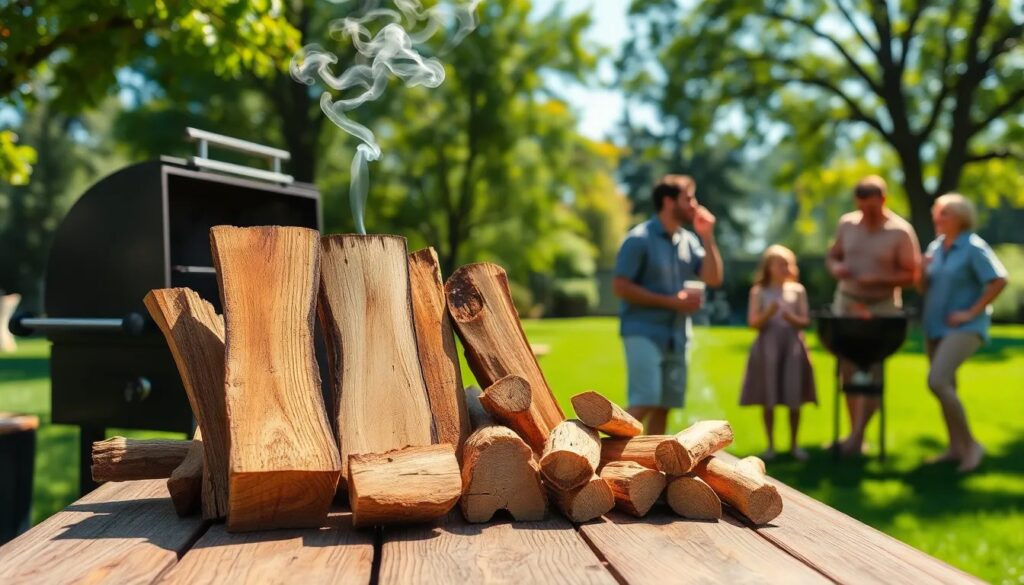
Smoking wood is an essential element when it comes to elevating your grilling experience. The right wood can impart unique flavors to your meats and vegetables, enhancing barbecue flavor like never before. This guide will explore various aspects of using smoking wood to achieve that perfect smoky taste in your dishes.
From understanding different types of wood to mastering the art of smoke infusion, we will cover everything you need to know to become a pro at using smoking wood.
Table of Contents
- What are the different types of smoking woods?
- How do smoking wood chips, chunks, and logs differ?
- What is the importance of soaking smoking wood?
- How do you properly light smoking wood?
- What is a smoke ring and how is it created?
- Where can I find smoking wood near me?
- What is the price range for smoking wood?
- Related questions about using smoking wood
What are the different types of smoking woods?
Choosing the right type of wood is crucial for flavoring your grilled food. Different woods offer varying flavor profiles, which can significantly impact the taste of your dishes. Here are some popular options:
- Apple: Produces a mild, sweet flavor ideal for poultry and pork.
- Cherry: Offers a fruity aroma and a slightly tangy flavor, great for all meats.
- Oak: Known for its strong flavor, oak pairs well with red meats.
- Hickory: Provides a robust, smoky flavor favored for ribs and brisket.
- Mesquite: The strongest of the bunch, perfect for quick cooks but can overpower more delicate meats.
When selecting wood for smoking, it's important to consider the type of meat you are cooking. This will help ensure that the flavors complement each other rather than clash.
How do smoking wood chips, chunks, and logs differ?
The size and form of wood you choose can greatly influence your cooking process. Smoking wood comes in various forms, including chips, chunks, and logs, each with its own characteristics.
Wood chips ignite quickly but tend to burn out fast, making them ideal for shorter cooking times. They are perfect for adding quick bursts of smoke flavor. Chunks, on the other hand, are larger and burn more slowly, providing a longer-lasting smoke ideal for longer cooks. Finally, logs are best suited for larger smokers or barbecue pits, as they can sustain a high temperature for extended periods.
Understanding these differences will allow you to choose the right size for your cooking method, ensuring optimal smoke production.
What is the importance of soaking smoking wood?
Soaking smoking wood is a common practice, but its necessity can vary based on the type of wood used. When soaking chips, the water helps to create steam, which can enhance smoke production. However, soaking is not always necessary for chunks or logs.
For wood chips, soak them in water for about 30 minutes before using them, allowing for a gentler smoke infusion that doesn't overpower the food. In contrast, larger chunks can be used dry; they will still produce a substantial amount of smoke without the need for soaking.
In essence, soaking can improve the smoking experience, but it's essential to know when it's beneficial and when it might be unnecessary.
How do you properly light smoking wood?
Lighting smoking wood correctly is crucial to achieving the desired smoky flavor in your food. Start by lighting your charcoal or wood in your grill or smoker. Once the coals are ashed over, add your smoking wood. If you're using chips, consider placing them in a smoker box or wrapping them in aluminum foil with holes poked in it for better smoke release.
Ensure that the temperature remains steady; fluctuations can affect smoke production and flavor. Controlling the airflow is essential as well; adjusting the dampers can help maintain an even burn.
Mastering the lighting process enables you to create a balanced flavor profile in your grilled dishes, making it a vital skill for any grill master.
What is a smoke ring and how is it created?
The smoke ring is a visual cue of good smoke infusion, often associated with perfectly smoked meats. It appears as a pink layer just beneath the surface of the meat, indicating that it has absorbed smoke during the cooking process. Creating a smoke ring requires a good balance of heat, smoke, and time.
To achieve this, you need to ensure that your meat is exposed to smoke at a low temperature for an extended period, allowing the gases from the burning wood to penetrate the meat. Using hardwood varieties like hickory or oak can help create a more pronounced smoke ring.
Understanding how to create a smoke ring enhances the presentation of your dishes, making your smoked meats not only taste delicious but also look appealing.
Where can I find smoking wood near me?
Finding quality smoking wood for sale can be straightforward. Local barbecue supply stores, garden centers, and specialty food shops often carry various types of smoking wood. Additionally, many hardware stores have a selection of wood chunks and chips suitable for grilling.
If you're looking for bulk options, consider checking online retailers or dedicated barbecue supply websites, which often offer a broader selection of smoking woods. Buying in bulk can save money if you plan to smoke frequently.
Lastly, don't overlook the option of sourcing wood locally; many farmers or tree removal services may have unused hardwood available.
What is the price range for smoking wood?
The price of smoking wood can vary widely depending on the type and quantity you are purchasing. Generally, wood chips can cost anywhere from $5 to $15 per bag, while chunks and logs may start at around $15 and can go up to $50 or more, depending on the quality and brand.
For those interested in finding the best deals, keep an eye out for sales at your local stores or online retailers. Buying in larger quantities can also reduce the overall cost per use, making it more economical for regular grilling.
Be sure to research and compare prices to ensure you're getting the best value for your money while sourcing high-quality smoking wood.
Which wood is best for smoking?
The best wood for smoking ultimately depends on the type of meat you are cooking and your personal taste preferences. Hickory is a popular choice for its strong flavor, while apple and cherry woods are favored for their milder, sweeter profiles. Experimenting with different woods can help you discover which flavors you favor most.
What wood should not be smoked?
Certain woods should be avoided for smoking due to their toxic properties. Woods such as evergreen trees (like pine and cedar) can produce harmful smoke and unpleasant flavors. Additionally, avoid using any treated or painted wood, as these can release harmful chemicals when burned.
How long should you let wood burn before smoking?
Before using smoking wood, allow it to catch fire and burn for about 10 to 15 minutes. This ensures that the wood is producing a steady flow of smoke without the harsh initial flames, allowing for a cleaner smoke that will enhance the flavor of your food.
Can you smoke wood like a cigarette?
While you might technically be able to smoke wood in a similar manner to a cigarette, it is not advisable. Wood is not meant for inhalation in this way and can produce harmful toxins. Instead, the focus should be on using smoking wood in grilling and barbecue settings, where it can enhance flavors safely and deliciously.
If you want to know other articles similar to Using smoking wood for perfect flavor you can visit the category BBQ Accessories for Smoking.


More embers