

Smoking brisket butcher paper guide
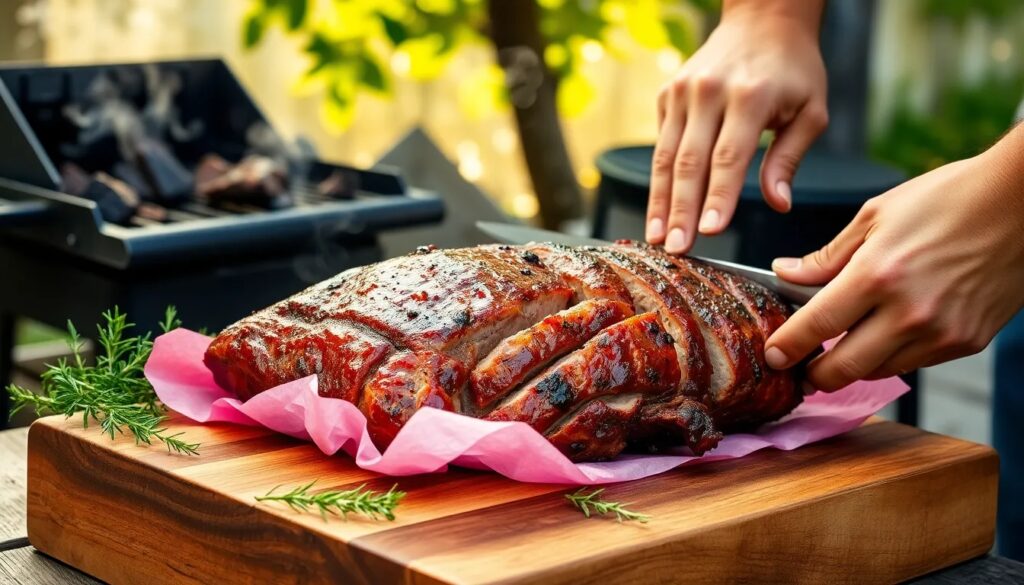
Smoking brisket has become a beloved technique among barbecue enthusiasts. One of the most effective methods to enhance the flavor and texture of your brisket is using butcher paper during the cooking process. This guide will provide you with essential information and tips on smoking brisket wrapped in butcher paper.
As we dive into the nuances of this method, you'll discover the best times to wrap brisket, how to maintain moisture, and the benefits of butcher paper over traditional foil. Let’s get started!
Table of Contents
- When to wrap brisket for optimal results?
- How long to cook brisket after wrapping at 225°F?
- What are the benefits of using butcher paper for brisket?
- How to wrap brisket in butcher paper properly?
- When is the best time to wrap brisket in Texas style?
- Are there any downsides to wrapping brisket?
- Related questions about smoking brisket
When to wrap brisket for optimal results?
Determining the right time to wrap your brisket is crucial for achieving the best results. Wrapping usually occurs during the stall phase of cooking, which happens when the internal temperature stabilizes between 150°F and 170°F. At this point, moisture loss can hinder cooking progress.
The ideal moment to wrap your brisket is when it reaches an internal temperature of 165°F to 170°F. Wrapping it in butcher paper at this stage helps maintain moisture while also allowing smoke flavor to penetrate the meat.
By wrapping, you can effectively combat the stall, leading to a more tender and juicy brisket. Timing is critical, as wrapping too soon may not provide the desired bark while waiting too long may result in dryness.
How long to cook brisket after wrapping at 225°F?
Once your brisket is wrapped in butcher paper, the cooking process continues. Cooking at a steady temperature of 225°F is ideal for smoking brisket. After wrapping, the recommended cooking time can vary based on the size and thickness of the brisket.
Typically, you should cook your brisket for about 1 to 1.5 hours per pound after wrapping. However, it’s essential to monitor the internal temperature rather than relying solely on time. Aim for a final temperature of approximately 200°F to ensure that the collagen has broken down, resulting in tenderness.
Keep an eye on the meat's progress, and consider using a meat thermometer to ensure you achieve the desired doneness. This method not only enhances flavor but also contributes to the overall texture of the brisket.
What are the benefits of using butcher paper for brisket?
Using butcher paper has several advantages over traditional foil. First and foremost, butcher paper allows the brisket to breathe while still retaining moisture, leading to a better bark formation and flavor profile. In contrast, foil can trap steam, resulting in a softer bark.
- Moisture retention: Butcher paper maintains moisture without creating a steaming environment.
- Flavor enhancement: It allows smoke penetration, giving the brisket a rich, smoky flavor.
- Better bark: The paper helps develop a crispy exterior while preserving the meat's juiciness.
- Environmentally friendly: Butcher paper is often more sustainable than aluminum foil.
Overall, the use of butcher paper in brisket smoking provides a unique cooking experience that enhances flavor, texture, and presentation.
How to wrap brisket in butcher paper properly?
Wrapping brisket in butcher paper is a straightforward process. Start by ensuring you have high-quality butcher paper that is unbleached and free from any coatings. Lay the paper out flat on your workspace.
Place the brisket in the center of the paper, then fold the paper over and tuck it tightly, ensuring there are no gaps for steam to escape. As you fold, be careful not to crush the bark that has formed on the brisket.
- Lay out the butcher paper.
- Position the brisket on the paper.
- Fold the paper over the brisket and tuck it tightly.
- Secure the folds with twine or tape if necessary.
This method ensures the brisket remains flavorful and juicy while cooking, allowing you to enjoy tender results after several hours of smoking.
When is the best time to wrap brisket in Texas style?
In Texas-style barbecue, the wrapping technique is often referred to as "The Texas Crutch." This method is typically employed once the brisket reaches an internal temperature of around 165°F. Wrapping at this point helps to push through the stall and encourages the meat to cook more evenly.
For traditional Texas-style brisket, the wrapping should be done after a few hours of smoke exposure to ensure that the meat has absorbed sufficient smoke flavor. This balance between smoke and moisture is crucial for achieving that iconic Texas brisket experience.
Remember, the key to Texas-style brisket is to maintain a balance between smoke exposure and moisture retention, making the wrapping process a vital step in the overall cooking journey.
Are there any downsides to wrapping brisket?
While wrapping brisket can enhance moisture retention and cooking speed, there are a few potential downsides to consider. One concern is the impact on bark texture. Wrapping can soften the bark, leading to a less crispy exterior compared to unwrapped brisket.
Additionally, if the brisket is wrapped too early, it may not develop the full depth of smoke flavor. It's essential to find a balance and determine the right moment to wrap based on your preferences.
- Softening of the bark.
- Possible reduction in smoke flavor.
- Requires careful timing to maximize benefits.
Understanding these factors will help you make informed decisions about your smoking process and achieve the best possible results with your brisket.
When should you wrap brisket?
Wrapping brisket is best done when it reaches an internal temperature of 165°F to 170°F. This is typically during the stall phase, where moisture loss can hinder cooking progress. Wrapping at this stage helps retain moisture and enhances flavor.
How long do you cook brisket after wrapping?
After wrapping, cook your brisket at 225°F for approximately 1 to 1.5 hours per pound. Always aim for an internal temperature of around 200°F to ensure tenderness and flavor.
What are the pros and cons of wrapping brisket?
The pros of wrapping brisket include improved moisture retention, better bark formation, and enhanced flavor. The cons may involve a softer bark and reduced smoke flavor if wrapped too early. Finding the right timing is essential to maximizing benefits.
Can you use foil instead of butcher paper?
While foil can be used to wrap brisket, it often leads to a steamed environment that can soften the bark. Butcher paper allows for better moisture retention and flavor development, making it a preferred choice among barbecue enthusiasts.
What temperature should brisket be wrapped?
Brisket should typically be wrapped when it reaches an internal temperature of between 165°F and 170°F. This ensures that the meat retains moisture while still allowing for smoke penetration.
If you want to know other articles similar to Smoking brisket butcher paper guide you can visit the category BBQ Accessories for Smoking.


More embers