
Temperature for turkey: how to ensure perfect doneness
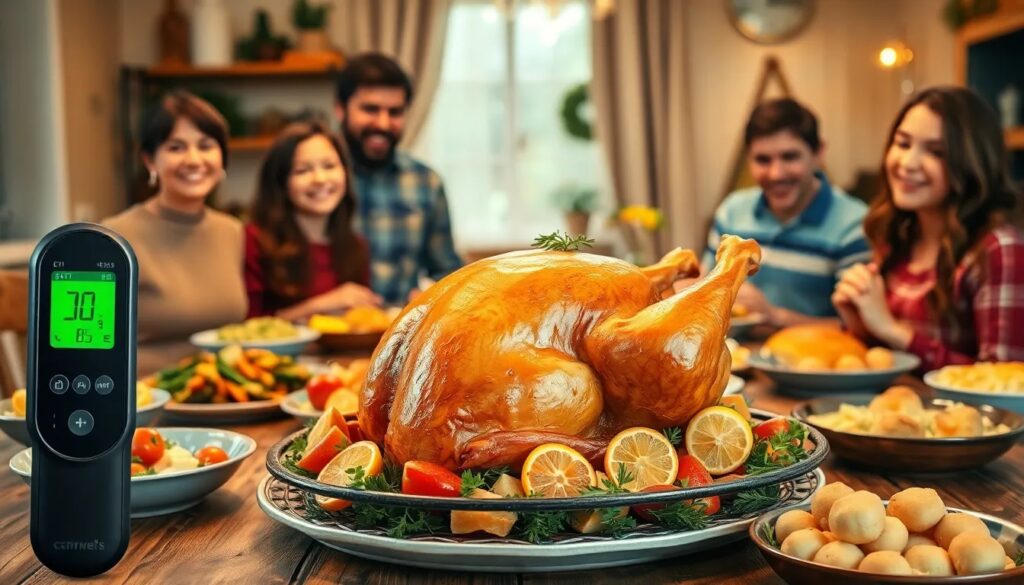
To ensure a juicy and flavorful turkey, understanding the proper Cooking techniques and temperature guidelines is essential. This guide will help you navigate the intricacies of achieving the ideal temperature for turkey to guarantee perfect doneness.
Knowing the right temperature for turkey not only ensures safety but also enhances flavor and moisture retention. Let's dive into the details to make your turkey the star of your Thanksgiving feast.
Index
- What is the importance of turkey doneness?
- What should the temperature of a turkey be?
- How to use a meat thermometer for turkey?
- Where to place the thermometer in a turkey?
- What are the different types of thermometers for cooking turkey?
- How to ensure safe minimum internal temperature for turkey?
- What are the best tips for roasting a turkey?
- Related questions about cooking turkey temperature
What is the importance of turkey doneness?
Achieving the correct doneness for turkey is crucial for both safety and flavor. The internal temperature of a turkey indicates whether it is safe to eat and whether it has retained its natural juices. Cooking a turkey to the right temperature prevents foodborne illnesses, making it vital to monitor its doneness carefully.
Undercooking can lead to salmonella and other food-related illnesses, which could ruin your holiday gathering. On the other hand, overcooking can dry out the meat, making it less enjoyable. Therefore, understanding the importance of turkey doneness ensures a delicious meal and a safe dining experience for all.
 Turkey and gravy recipes for the holidays
Another key aspect of doneness is the flavor profile. A turkey cooked to the right temperature will have a tender, juicy texture, while one that is overcooked will become tough and chewy. Thus, knowing how to achieve the proper doneness is essential for a successful turkey preparation.
What should the temperature of a turkey be?
The ideal internal temperature for turkey is 165°F (74°C). This temperature guarantees that the turkey is safe to eat and has reached optimal flavor and moisture levels. However, it's important to remember that different parts of the turkey may cook at different rates.
For instance, the breast may reach the target temperature faster than the thighs. To ensure uniform cooking, it’s essential to check the temperature in several areas, particularly in the thickest parts.
Following a temperature guideline not only ensures safety but also allows you to enjoy a perfectly cooked turkey. If you prefer a more succulent turkey, you can remove it from the oven at about 160°F (71°C) and let it rest, during which residual heat will help achieve the ideal 165°F.
Turkey and gravy recipes for the holidays Turkey temp: how to check for doneness
How to use a meat thermometer for turkey?
Using a meat thermometer is one of the best practices for accurately checking the temperature for turkey. To use a meat thermometer effectively, follow these simple steps:
- Insert the thermometer: Place the thermometer in the thickest part of the turkey, avoiding bones, as they can provide inaccurate readings.
- Check multiple areas: Always check the temperature in several spots, including the breast, thigh, and wing.
- Wait for the beep: If using a digital thermometer, wait for the beep that indicates the temperature is ready.
- Read the temperature: Ensure the internal temperature registers at least 165°F (74°C) before serving.
A meat thermometer is an essential tool for every home cook. It ensures that your turkey is cooked to perfection, reducing the guesswork involved in traditional cooking methods. Always remember to clean and calibrate your thermometer regularly for accurate readings.
Where to place the thermometer in a turkey?
Placing the thermometer in the correct location is critical for an accurate reading. The best spots to check are:
- The thickest part of the breast: This tends to cook faster than the rest of the bird.
- The innermost part of the thigh: This area often takes the longest to cook and is crucial to assess for doneness.
- The innermost part of the wing: Like the thigh, this area also needs to reach the safe cooking temperature.
Avoid placing the thermometer near bones or the stuffing, as this can lead to inaccurate readings. By carefully monitoring these areas, you can ensure that your turkey reaches a safe and delicious temperature.
Turkey and gravy recipes for the holidaysTurkey temp: how to check for doneness Bacon chicken ranch pizza
What are the different types of thermometers for cooking turkey?
Several types of thermometers are available for cooking turkey, each offering unique benefits:
- Digital instant-read thermometers: These provide quick readings and are easy to use.
- Probe thermometers: These can stay in the turkey while it cooks, providing continuous temperature readings.
- Dial thermometers: These are more traditional and require a few moments to stabilize before providing a reading.
- Thermal pen thermometers: These are compact and provide rapid results, ideal for checking various food items quickly.
Choosing the right thermometer can greatly impact your cooking results. Digital thermometers are often preferred for their speed and accuracy, but using a combination of thermometers can yield the best results.
How to ensure safe minimum internal temperature for turkey?
To ensure your turkey reaches a safe minimum internal temperature, follow these best practices:
1. Always use a meat thermometer to verify doneness, as visual cues can be misleading.
2. Allow the turkey to rest for at least 20-30 minutes after cooking. This helps the juices redistribute throughout the meat and allows the internal temperature to continue rising.
3. Store leftover turkey in the refrigerator within two hours of cooking to prevent bacterial growth.
Turkey and gravy recipes for the holidaysTurkey temp: how to check for donenessBacon chicken ranch pizza Food at a bbq: best recipes and sides to try
By adhering to these guidelines, you'll be able to serve a turkey that is not only safe to eat but also flavorful and juicy.
What are the best tips for roasting a turkey?
Roasting a turkey can be a simple and enjoyable process if you follow some best practices:
- Brining: Consider brining your turkey to enhance flavor and moisture retention.
- Choose the right size: A good rule of thumb is 1 pound of turkey per person.
- Even cooking: Tuck the wings under the body and use a roasting rack to promote even heat distribution.
- Use butter or oil: Applying butter or oil to the skin can help achieve a crispy exterior.
- Monitor with a thermometer: Regularly check the temperature to avoid overcooking.
Implementing these tips will help you create a beautifully roasted turkey that will impress your guests. Remember to enjoy the cooking process, as it’s a time to share with family and friends.
Is it better to cook a turkey at 325 or 350?
Cooking a turkey at 325°F is generally recommended for optimal results. This lower temperature allows the turkey to cook more evenly and helps maintain moisture. Cooking at 350°F can lead to a quicker cooking time, but it may not yield as juicy a turkey.
Turkey and gravy recipes for the holidaysTurkey temp: how to check for donenessBacon chicken ranch pizzaFood at a bbq: best recipes and sides to try Seattle dog: the ultimate guide
For a larger bird, cooking at 325°F can also help prevent the exterior from browning too quickly while the interior finishes cooking. Always monitor the internal temperature to ensure a safe and delicious outcome.
Is turkey done at 165 or 180?
The safe minimum internal temperature for turkey is 165°F (74°C). While some may argue that turkey is done at 180°F (82°C), this higher temperature is often associated with overcooking, which can lead to dry meat. It’s best to remove the turkey from the oven once it reaches 165°F and allow it to rest, which will help achieve a more succulent texture.
At what temperature is a turkey cooked?
A turkey is considered cooked when it reaches an internal temperature of 165°F (74°C) in the thickest parts of the breast and thigh. Using a meat thermometer is the most reliable method to ensure that your turkey is cooked properly and is safe to eat.
How long to cook a 10 lb turkey at 350 degrees?
For a 10 lb turkey cooked at 350°F, the general guideline is to cook it for about 2 to 2.5 hours. However, it's crucial to start checking the internal temperature at the 2-hour mark to ensure it doesn’t overcook. Always rely on a meat thermometer for the best results.
Turkey and gravy recipes for the holidaysTurkey temp: how to check for donenessBacon chicken ranch pizzaFood at a bbq: best recipes and sides to trySeattle dog: the ultimate guide Spatchcock turkey recipe
By understanding the temperature for turkey and following these guidelines, you'll be well on your way to mastering the art of turkey preparation, ensuring a memorable meal for you and your guests.
If you want to know other articles similar to Temperature for turkey: how to ensure perfect doneness you can visit the category Turkey poultry recipes.


Deja una respuesta

Gestionar consentimiento
Funcional Siempre activo
El almacenamiento o acceso técnico es estrictamente necesario para el propósito legítimo de permitir el uso de un servicio específico explícitamente solicitado por el abonado o usuario, o con el único propósito de llevar a cabo la transmisión de una comunicación a través de una red de comunicaciones electrónicas.
Preferencias
El almacenamiento o acceso técnico es necesario para la finalidad legítima de almacenar preferencias no solicitadas por el abonado o usuario.
Estadísticas
El almacenamiento o acceso técnico que es utilizado exclusivamente con fines estadísticos. El almacenamiento o acceso técnico que se utiliza exclusivamente con fines estadísticos anónimos. Sin un requerimiento, el cumplimiento voluntario por parte de tu proveedor de servicios de Internet, o los registros adicionales de un tercero, la información almacenada o recuperada sólo para este propósito no se puede utilizar para identificarte.
Marketing
El almacenamiento o acceso técnico es necesario para crear perfiles de usuario para enviar publicidad, o para rastrear al usuario en una web o en varias web con fines de marketing similares.
More embers