

Umami seasoning: everything you need to know
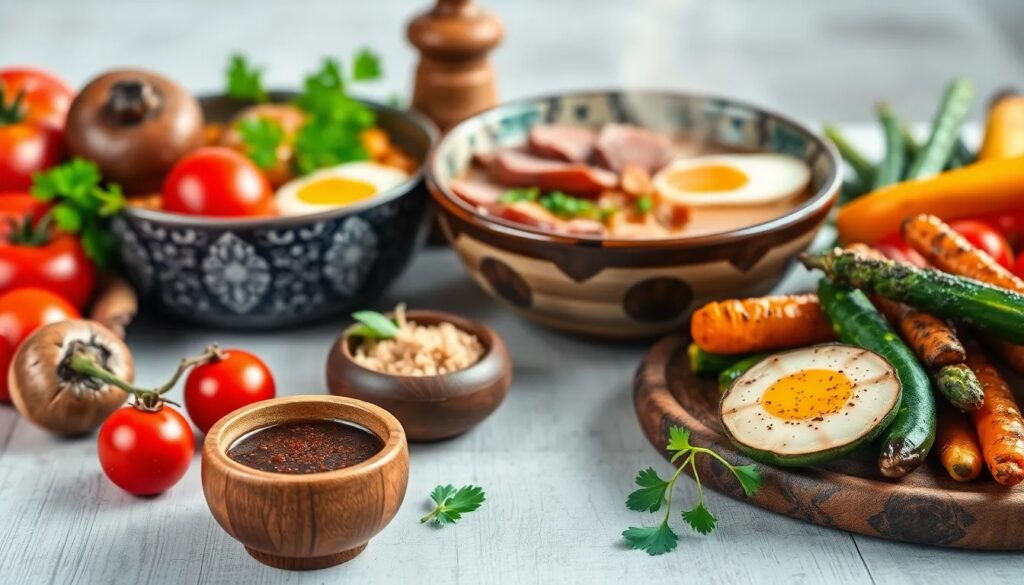
Umami seasoning has become a significant flavor enhancer in modern kitchens, revolutionizing the way we approach cooking. This unique seasoning not only amplifies the taste of various dishes but also introduces a depth of flavor that can transform even the simplest ingredients into something extraordinary.
Whether you are an experienced chef or a home cook, incorporating umami seasoning into your meals can elevate your culinary creations to new heights. In this article, we will explore what umami seasoning is, how to make it, its benefits, and much more.
Table of Contents
- What is umami seasoning?
- How to make umami seasoning?
- What are the ingredients for umami seasoning?
- How to use umami seasoning in your cooking?
- What are the benefits of using umami seasoning?
- What can I substitute for umami seasoning?
- Frequently asked questions about umami seasoning
- What is umami taste like?
- Is umami the same thing as MSG?
- What can you substitute for umami seasoning?
- How to make the umami flavor at home?
What is umami seasoning?
Umami seasoning is a blend that accentuates the savory taste known as umami, which is recognized as the fifth basic taste alongside sweet, sour, bitter, and salty. This flavor is naturally found in foods such as meats, broths, mushrooms, and fermented products. Umami seasoning combines various ingredients to create a rich flavor profile that enhances the overall taste of dishes.
This seasoning is particularly popular in vegan and gluten-free cooking, as it provides a depth of flavor without the use of traditional meat-based stocks or flavor enhancers. By incorporating umami seasoning, you can enrich the taste of your meals and make them more satisfying.
Many chefs and home cooks appreciate the versatility of umami seasoning, using it in soups, stews, marinades, and even roasted vegetables. It allows for a creative approach to cooking, making it easier to achieve that desired depth of flavor in a variety of dishes.
How to make umami seasoning?
Creating umami seasoning at home is simple and can be tailored to suit your taste preferences. Here’s a quick and easy recipe to get you started:
- 1 cup dried mushrooms (shiitake or porcini work well)
- 2 tablespoons onion powder
- 1 tablespoon mustard powder
- 1 tablespoon salt
- 1 teaspoon black pepper
- 1 teaspoon red pepper flakes
- 1 teaspoon dried thyme
To prepare, simply blend the dried mushrooms into a fine powder, then mix in the remaining ingredients. Be sure to adjust the salt based on your preferences, as too much can overpower the other flavors. This homemade umami seasoning can be stored in an airtight container for several months, retaining its potency.
Experiment with different mushroom varieties to create custom blends that suit your specific culinary needs. For example, adding dried garlic or nutritional yeast can further enhance the umami flavor.
What are the ingredients for umami seasoning?
The key ingredients in umami seasoning often include:
- Dried mushrooms: These are the foundation of the seasoning, providing the rich umami flavor.
- Onion powder: Adds sweetness and depth, complementing the earthiness of the mushrooms.
- Mustard powder: Introduces a tangy note that balances the other flavors.
- Salt: Essential for enhancing the overall taste.
- Spices: Such as black pepper, red pepper flakes, and thyme, which add complexity and warmth.
Each of these ingredients contributes to the overall flavor profile of umami seasoning, making it a versatile addition to any kitchen. By adjusting the ratios or adding new spices, you can create a blend that is uniquely yours.
For those looking to avoid certain ingredients, vegan alternatives such as nutritional yeast can provide a similar umami flavor without the use of mushrooms. This makes it accessible for various dietary preferences.
How to use umami seasoning in your cooking?
Umami seasoning can be utilized in a variety of ways to enhance your dishes:
- Sprinkle it on roasted vegetables for a savory boost.
- Add to soups and stews to deepen the flavor.
- Incorporate into marinades for meats or plant-based proteins.
- Mix into salad dressings for a unique twist.
- Use it to season popcorn for a gourmet snack.
The versatility of umami seasoning means it can complement nearly any dish, from hearty casseroles to light salads. By simply adding a pinch or two, you can elevate the flavors and create a more satisfying meal.
Additionally, umami seasoning can be integrated into baking projects, such as bread or savory pastries, to add depth. Don't hesitate to experiment and discover how it can enhance your favorite recipes!
What are the benefits of using umami seasoning?
There are numerous benefits to incorporating umami seasoning into your cooking:
- Flavor enhancement: It significantly improves the taste of dishes, making meals more enjoyable.
- Versatility: Works well with a variety of cuisines and cooking methods.
- Healthier alternatives: Allows for flavor enhancement without MSG or artificial additives.
- Customizable: Easily adjust to fit your dietary needs and personal preferences.
By utilizing umami seasoning, you can create wholesome meals that satisfy your taste buds while providing essential nutrients. This seasoning is particularly valuable in vegan and gluten-free cooking, where traditional flavor enhancers may not be suitable.
What can I substitute for umami seasoning?
If you find yourself without umami seasoning, there are several alternatives you can utilize:
- Nutritional yeast: Provides a cheesy, savory flavor that mimics umami.
- Garlic powder: Adds depth and enhances savory dishes.
- Soy sauce or tamari: A liquid alternative that brings umami-rich flavors to meals.
- Worcestershire sauce: Contains fermented ingredients that provide a similar savory taste.
These substitutions can help maintain the flavor profile of your dishes, ensuring that you don’t miss out on that essential umami taste. Feel free to mix and match these alternatives based on what you have on hand.
Frequently asked questions about umami seasoning
What is umami taste like?
The umami taste is often described as savory, rich, and mouthwatering. It's a flavor that lingers and enhances the overall taste experience. Foods rich in umami, such as tomatoes, mushrooms, and aged cheeses, can provide a deep, satisfying flavor that many find irresistible. This complexity makes it a favorite among chefs and culinary enthusiasts alike.
In essence, umami is a flavor that rounds out the palate, providing a sense of fullness and satisfaction. It can elevate dishes, making them more appealing and enjoyable, which is why umami seasoning has gained popularity in kitchens around the world.
Is umami the same thing as MSG?
While umami and MSG (monosodium glutamate) are related, they are not the same. Umami refers to the taste sensation itself, whereas MSG is a flavor enhancer that provides an intense umami flavor. Many people associate MSG with the umami taste because it can enhance the savory qualities of food. However, some individuals may have sensitivities or preferences against MSG, which is where umami seasoning comes into play as a natural alternative.
Umami seasoning can provide the same flavor-enhancing qualities without the potential downsides of MSG, making it a preferred choice for many cooks looking for a healthier option.
What can you substitute for umami seasoning?
As previously mentioned, there are several effective substitutes for umami seasoning. Nutritional yeast is one of the most popular options, as it imparts a cheesy and savory flavor, making it especially appealing for vegan dishes. You can also consider using soy sauce or tamari as a liquid alternative, both of which offer a rich umami flavor profile.
Garlic powder and Worcestershire sauce can also be excellent substitutes, providing additional depth and complexity to your meals. Experiment with these alternatives to find the best fit for your taste preferences and dietary needs.
How to make the umami flavor at home?
Making umami flavor at home is straightforward and can be achieved through various methods. One effective way is to create your own umami seasoning blend using dried mushrooms, onion powder, and spices, as outlined earlier in this article. This allows you to control the ingredients and tailor the flavor to your liking.
Additionally, utilizing umami-rich ingredients such as tomatoes, soy sauce, or nutritional yeast in your cooking can help create that savory flavor. Combining these elements in your dishes will naturally enhance the umami sensation, allowing you to enjoy a rich and satisfying taste experience.
In summary, understanding and utilizing umami seasoning can open up a world of flavor in your cooking, making it a valuable addition to any kitchen. Whether you choose to make your own blend or incorporate alternatives, enhancing your meals with umami can lead to delicious results.
If you want to know other articles similar to Umami seasoning: everything you need to know you can visit the category Seasoning & Marinades.


More embers