

Spice Up Your Life! (How to create your own seasonings)
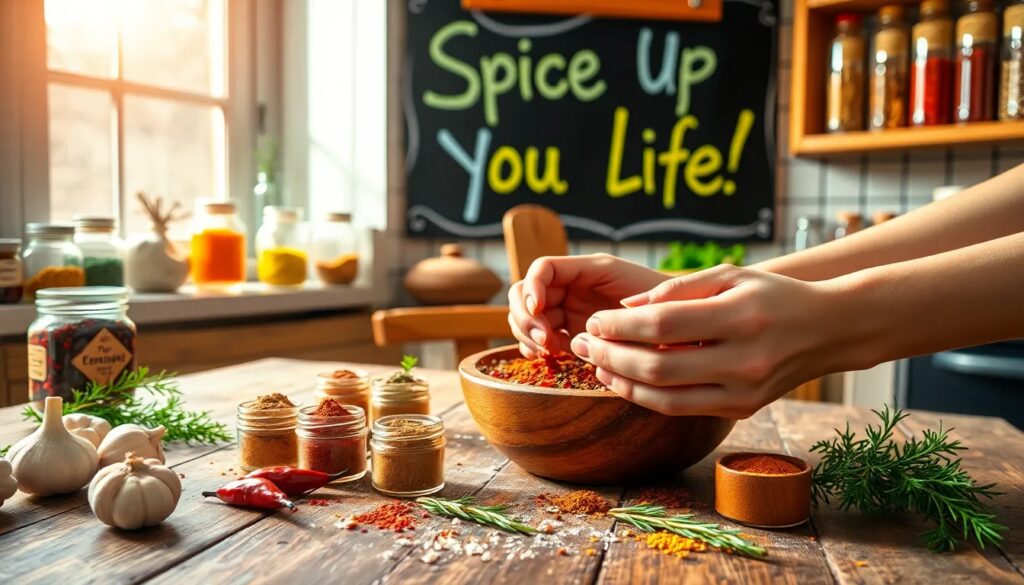
Creating your own seasonings can transform your culinary experience. By making spice blends at home, you can enjoy enhanced flavors while avoiding unwanted additives found in commercial products. This article will guide you through the process of creating your own seasonings and highlight the benefits of homemade spice blends.
Table of Contents
- How to create your own seasoning?
- What are the benefits of homemade spice blends?
- Which ingredients are essential for a complete seasoning?
- How do different spices enhance flavor?
- What are some popular DIY spice blends?
- How to experiment with your own spice ratios?
- What should you avoid when making seasonings?
- Questions related to creating your own seasonings
How to create your own seasoning?
Making your own seasoning is simpler than you might think. Start by choosing your favorite spices and herbs. The process typically involves mixing dried ingredients in the right ratios to achieve your desired flavor profile.
To begin, gather your spices and herbs, such as garlic powder, onion powder, and cumin. Use a mortar and pestle or a spice grinder to combine them into a fine powder. Experiment with different ratios to find the blend that best suits your palate.
Once you've crafted your seasoning, store it in an airtight container. This helps to preserve the flavors and aromas. Keep it in a cool, dark place to maintain freshness.
What are the benefits of homemade spice blends?
Homemade spice blends offer numerous health benefits compared to store-bought options. For one, you can control the quality of the ingredients. This means no artificial additives, preservatives, or excess sodium.
Another significant advantage is the ability to customize flavors to match your cooking style. Whether you prefer spicy, sweet, savory, or herbal notes, creating your own blends allows for endless possibilities.
Moreover, making your own seasonings can save you money in the long run. Purchasing whole spices and herbs is often cheaper than buying pre-mixed seasonings. Plus, you can make them in bulk, reducing waste and making meal prep easier.
Which ingredients are essential for a complete seasoning?
To create a well-rounded seasoning blend, it’s important to include a variety of ingredients. Here are some essential components:
- Base flavors: Garlic powder, onion powder, and paprika.
- Herbs: Oregano, thyme, and basil.
- Heat: Chili powder, cayenne pepper, or black pepper.
- Sweetness: Sugar or dried herbs like dill and fennel.
When selecting your ingredients, consider the flavor profiles you enjoy most. A basic blend might include salt, pepper, and garlic powder, while a more complex mixture might feature smoked paprika and dried herbs.
Experiment with different combinations to create a signature seasoning that reflects your taste!
How do different spices enhance flavor?
Spices are powerful flavor enhancers that can elevate any dish. Each spice brings its unique characteristics, affecting aroma, taste, and even color.
For example, cumin adds warmth and earthiness, while coriander offers a citrusy note. By understanding how these spices work together, you can create balanced flavors in your meals.
Additionally, some spices have health benefits. Turmeric, for example, is known for its anti-inflammatory properties, while ginger can aid digestion. Incorporating these spices into your cooking not only enhances flavor but also supports a healthier lifestyle.
What are some popular DIY spice blends?
There are countless spice blends you can create at home. Here are a few popular options to get you started:
- Taco seasoning: Cumin, chili powder, garlic powder, onion powder, and paprika.
- Italian seasoning: Basil, oregano, rosemary, thyme, and marjoram.
- Cajun seasoning: Paprika, cayenne pepper, onion powder, garlic powder, and thyme.
- Garlic herb seasoning: Garlic powder, dried parsley, oregano, and thyme.
These blends can be used in various dishes, from meats and vegetables to soups and stews. Having these spice mixes on hand simplifies cooking and adds depth to your meals.
How to experiment with your own spice ratios?
Experimentation is key when creating your own spice blends. Start with a basic recipe and adjust the ratios according to your taste preferences.
Try starting with equal parts of each ingredient, then tweak one at a time to see how it alters the flavor. For instance, if you want a spicier blend, increase the amount of chili powder.
Don’t be afraid to think outside the box! Mixing unexpected spices can lead to delightful discoveries. For example, try combining cinnamon with chili powder for a unique flavor twist.
What should you avoid when making seasonings?
When crafting your own seasonings, there are a few pitfalls to avoid.
Firstly, steer clear of adding too much salt. While salt enhances flavors, excessive amounts can overpower the blend. It’s best to add salt to your dishes separately as needed.
Secondly, avoid using stale spices. Freshness is crucial for vibrant flavors. Store spices in airtight containers, away from light and moisture to prolong their shelf life.
Lastly, be cautious with exotic spices. Use them sparingly until you are familiar with their strength and flavor impact. It’s easier to add more than to try and balance out an overpowering flavor.
How do I create my own seasoning?
To create your own seasoning, start by selecting a base of spices and herbs that you enjoy. Mix them in small batches, adjusting the ratios until you achieve the flavor profile you desire. Using fresh ingredients will yield the best results, so always aim for quality.
When blending, consider the types of dishes you’ll be using the seasonings in. For example, a seasoning meant for meats may differ from one designed for salads or vegetables.
How to make your own complete seasoning?
To make your own complete seasoning, blend a variety of spices that cover the essential flavor profiles: salty, sweet, sour, and bitter. A good starting point could include salt, black pepper, garlic powder, and paprika.
From there, experiment by adding herbs and spices that complement the base flavors. For example, adding a bit of dried thyme or rosemary can enhance the blend’s versatility.
What are 3 rules for seasoning?
1. Start Small: Always begin with small amounts of spices and adjust as you go. It's easier to add more than to try and fix an overpowering flavor.
2. Balance Flavors: A good seasoning should have a balance of salty, sweet, and spicy notes. Aim for harmony rather than dominance of one flavor.
3. Taste as You Go: Don’t forget to taste your blend as you mix. This ensures that you adjust the seasoning according to your preferences.
What are the 4 basic types of seasoning ingredients?
The four basic types of seasoning ingredients are:
1. Salt: Enhances flavors and draws out moisture.
2. Acids: Vinegar or citrus adds brightness and balances richness.
3. Sweeteners: Honey, sugar, or sweet spices like cinnamon can balance heat and acidity.
4. Spices and Herbs: These add depth and complexity to your dishes.
Understanding how these elements interact will enable you to create more flavorful and well-rounded meals.
If you want to know other articles similar to Spice Up Your Life! (How to create your own seasonings) you can visit the category Seasoning & Marinades.


More embers