

Seasoning of cast iron: a simple guide
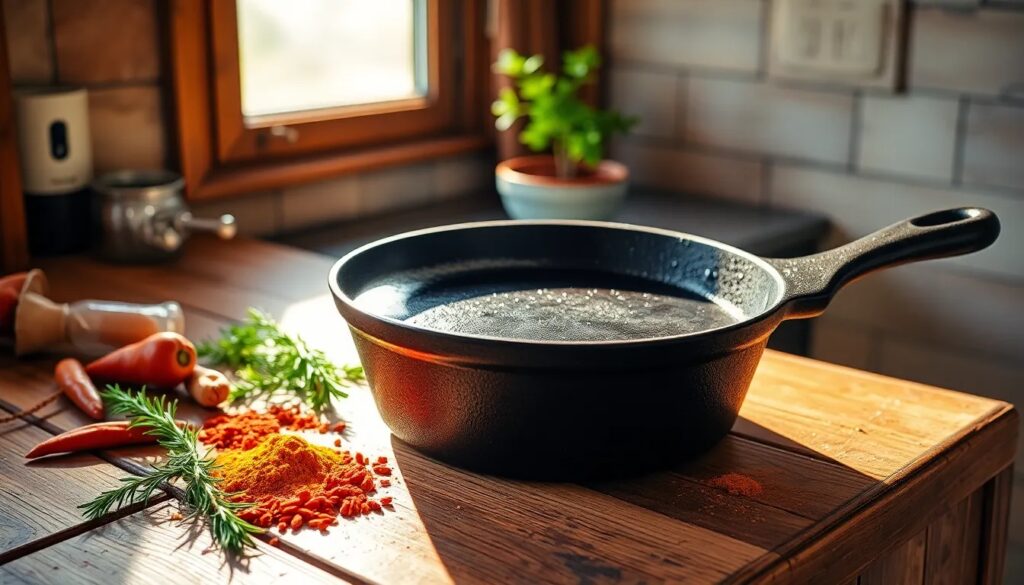
Seasoning cast iron is an essential practice that elevates your cookware's performance and longevity. This guide will walk you through the steps and considerations for effectively seasoning your cast iron pans, ensuring a durable nonstick surface for years of cooking enjoyment.
Understanding the nuances of the seasoning of cast iron will help you maintain your pans and optimize their usage. From the right oils to ideal temperatures, let's delve into the best practices for this time-honored tradition.
Table of Contents
- How to season cast iron for the first time?
- What is the best oil for seasoning cast iron?
- How to season a rusty cast iron skillet?
- How to season cast iron without an oven?
- What temperature should I use to season cast iron?
- Best practices for ongoing cast iron seasoning
- Understanding the importance of proper cast iron care
- Related questions about seasoning cast iron
How to season cast iron for the first time?
Before using your cast iron skillet for the first time, it’s crucial to season it properly. Start by cleaning the skillet thoroughly to remove any factory coating or residue. A mixture of warm water and mild soap can be effective in this initial cleaning, but avoid harsh detergents that might damage the surface.
Once clean, dry the skillet completely with a towel or by heating it on the stove for a few minutes. Next, apply a thin, even layer of oil—such as vegetable oil or flaxseed oil—over the entire surface, including the handle. This oil will serve as the foundation for your nonstick coating.
After applying the oil, it's time to bake the skillet. Preheat your oven to around 450°F (232°C). Place the skillet upside down on the top rack, with a baking sheet or aluminum foil on the bottom rack to catch any drips. Bake for about an hour. This process will create a robust seasoning layer on your skillet that enhances its cooking capabilities.
What is the best oil for seasoning cast iron?
Choosing the right oil is critical for successful seasoning of cast iron. Some of the most recommended oils include:
- Flaxseed oil: Known for its high smoke point and ability to polymerize effectively.
- Grapeseed oil: A popular choice due to its neutral flavor and high smoke point.
- Vegetable oil: Widely available and economical, making it a common choice.
- Coconut oil: Offers a unique flavor and has a decent smoke point, although it can solidify.
When selecting an oil, consider the smoke point and the flavor it might impart to your food. High smoke point oils are typically the best choice for achieving a durable seasoning layer.
Additionally, avoid using butter or olive oil, as they can burn at lower temperatures, leading to a sticky residue instead of a smooth, nonstick surface.
How to season a rusty cast iron skillet?
If your cast iron skillet has developed rust, don't worry. It’s possible to restore it through proper seasoning. Begin by removing the rust using a combination of steel wool or a scrubbing pad with a bit of soap and water.
Once the rust is removed, rinse the skillet thoroughly and dry it completely. It's essential to eliminate all moisture to prevent further rusting. Next, apply a thin layer of oil, just as you would for a new skillet.
To season a rusty skillet, use a higher baking temperature. Preheat your oven to 500°F (260°C), and place the skillet upside down in the oven for about an hour. This process will help to create a durable seasoning layer that will prevent future rust and enhance the skillet’s nonstick properties.
It's wise to repeat this seasoning process several times, particularly for a skillet that had severe rusting. Regular maintenance will ensure your cast iron remains in top condition.
How to season cast iron without an oven?
Sometimes, you may not have access to an oven or prefer a different method for seasoning your cast iron. Fortunately, it is possible to season without an oven using the stovetop.
Start by cleaning the skillet as usual. Once clean, apply a thin layer of oil across the skillet's surface. Place the skillet on the stovetop over medium heat. This method requires constant attention to prevent overheating.
Heat the skillet gradually until it reaches a smoking point. This will help the oil bond to the iron and create your seasoning layer. Allow it to smoke for a few minutes, then remove it from the heat and let it cool. You can repeat this process several times for best results.
Using the stovetop method is particularly useful when you want to avoid the heat of an oven during the summer months.
What temperature should I use to season cast iron?
The ideal temperature for seasoning cast iron is typically between 400°F and 500°F (204°C to 260°C). This range is high enough to ensure that the oil polymerizes and bonds to the surface of the cast iron.
However, you need to consider the type of oil you are using, as different oils have varying smoke points. It's suggested to start at lower temperatures, gradually increasing to between 450°F and 500°F for the final phase of seasoning.
Monitoring the temperature is key to achieving a successful seasoning. Remember that consistency is vital—repeating the seasoning process multiple times can significantly improve the quality of your nonstick surface.
Best practices for ongoing cast iron seasoning
To maintain the seasoning of your cast iron cookware, follow these best practices:
- Clean gently: After cooking, avoid using soap. Instead, rinse with hot water and use a non-abrasive sponge.
- Dry immediately: Prevent rust by drying your skillet immediately after washing.
- Store with care: Keep your skillet in a dry place, and consider placing a paper towel inside to absorb any moisture.
- Regularly apply oil: After each use, apply a light layer of oil to keep the surface conditioned.
These practices will help ensure that your cast iron remains well-seasoned and continues to perform beautifully in the kitchen.
Understanding the importance of proper cast iron care
Proper care and maintenance of cast iron cookware can enhance its lifespan significantly. Many users underestimate the importance of seasoning, which leads to poor cooking performance and more frequent replacements.
By regularly seasoning your cast iron, you develop a nonstick surface that improves with each use. Furthermore, caring for your skillet prevents rust, preserves the integrity of the iron, and enhances the flavors of your meals.
Investing time in your cast iron seasoning will pay off in the form of delicious dishes and a long-lasting skillet that can be passed down through generations.
What is the proper way to season cast iron?
The proper way to season cast iron involves cleaning the skillet thoroughly, applying a thin layer of oil, and baking it upside down in an oven at high temperature. This process polymerizes the oil, creating a protective, nonstick surface.
You can repeat this process multiple times for optimal results, especially for new or rusty pans.
Should I season cast iron at 350 or 450?
For the best results, seasoning cast iron is typically recommended at temperatures between 400°F and 500°F. While 350°F is too low to effectively bond the oil with the iron, starting around 450°F will help achieve a durable seasoning layer.
What is the best oil to season a cast iron skillet with?
The best oils for seasoning a cast iron skillet include flaxseed oil, grapeseed oil, and vegetable oil. These oils have high smoke points, which facilitate the seasoning process effectively, creating a strong, nonstick surface.
Do I need to season cast iron after every use?
No, you don’t need to season your cast iron skillet after every use. Regular cleaning and light oiling after cooking are sufficient. However, if you notice that food begins to stick or the surface looks dull, it may be time for another seasoning session to maintain optimal performance.
The Best Way To Clean and Season a Cast Iron Skillet | Epicurious 101

If you want to know other articles similar to Seasoning of cast iron: a simple guide you can visit the category Seasoning & Marinades.

More embers