

Spice rubs: how to create your own blends
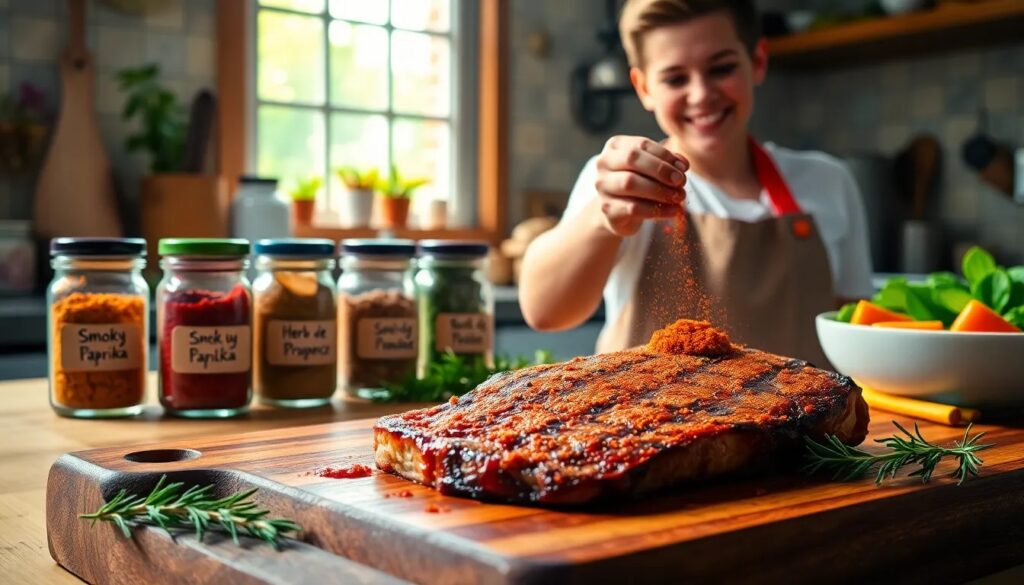
Enhancing your grilling game starts with mastering the art of spice rubs. These flavor-packed blends can elevate any meat or vegetable dish, ensuring every bite is memorable.
Whether you're a novice or an experienced grill master, learning how to create and use spice rubs will greatly improve your culinary skills.
Table of Contents
- How to make a dry rub?
- What are the best spice rubs for chicken?
- How to create your own spice rub blends?
- What are the best BBQ rub recipes?
- How to use spice rubs effectively?
- What are some easy spice rub recipes?
- What is the difference between a rub and seasoning?
- Related questions about spice rubs
How to make a dry rub?
Creating a perfect dry rub is an easy process that involves mixing a variety of spices and seasonings. The key to a great dry rub lies in balancing flavors. Start with a base of salt and sugar, then add spices like paprika, garlic powder, and black pepper.
Once you have your base, blend your spices in a bowl until well combined. Store your mixture in an airtight container to keep it fresh. This homemade spice rub can last for several months if stored properly.
For best results, apply the dry rub to your meats at least an hour before cooking. This allows the flavors to penetrate the meat, enhancing its taste.
What are the best spice rubs for chicken?
Chicken is incredibly versatile and can benefit from a variety of spice rubs. Some of the best blends include:
- Smoky BBQ Rub: Combines brown sugar, smoked paprika, garlic powder, and cayenne for a sweet and spicy kick.
- Lemon Herb Rub: A zesty mix of lemon zest, rosemary, thyme, and salt, perfect for a fresh flavor.
- Garlic Pepper Rub: A simple blend of garlic powder, black pepper, and onion powder that enhances the natural flavors of chicken.
Each of these spice rubs brings something unique to the table, allowing you to experiment with different tastes and textures.
How to create your own spice rub blends?
Creating your own custom spice rub recipes for meat is all about experimenting with flavors. Start by selecting a few base ingredients that you enjoy. Common choices include salt, pepper, paprika, and garlic powder.
After choosing your bases, consider adding herbs and spices that complement your main ingredients. For instance, cumin and coriander work well with beef, while thyme and rosemary are great for pork.
Mix your selected ingredients in a bowl, tasting as you go to achieve your desired flavor profile. Don’t hesitate to make adjustments based on your preferences.
What are the best BBQ rub recipes?
When it comes to BBQ, several recipes stand out for their robust flavors:
- Texas-style Rub: A simple blend of salt, black pepper, and cayenne that enhances the flavor of beef.
- Kansas City BBQ Rub: A sweet and tangy mix with brown sugar, paprika, and chili powder.
- Caribbean Jerk Rub: A spicy blend featuring allspice, nutmeg, thyme, and scotch bonnet peppers.
These rubs not only enhance the flavor but also create a delicious crust on the meat during cooking.
How to use spice rubs effectively?
Using spice rubs effectively is crucial for maximizing flavor. Start by ensuring your meat is dry. Pat it down with paper towels to remove moisture, allowing the rub to adhere better.
Next, apply a thin layer of oil to the meat before sprinkling the rub. This helps the spices stick and creates a more intense flavor during cooking.
Let the meat sit for at least 30 minutes after applying the rub. This resting period lets the flavors develop before cooking, resulting in a more flavorful dish.
What are some easy spice rub recipes?
If you’re looking for quick and flavorful spice rubs, try these simple recipes:
- Classic BBQ Rub: Combine ¼ cup brown sugar, 2 tablespoons paprika, 1 tablespoon black pepper, and 1 tablespoon salt.
- Italian Herb Rub: Mix 2 tablespoons dried basil, 2 tablespoons oregano, and 1 tablespoon garlic powder.
- Spicy Chipotle Rub: Blend 2 tablespoons chipotle powder, 1 tablespoon cumin, and 1 tablespoon brown sugar.
These recipes are not only easy to make but also versatile, working well on various meats and vegetables.
What is the difference between a rub and seasoning?
The main distinction between a rub and seasoning lies in their application and composition. A dry rub is a concentrated blend of spices applied directly to the surface of meat to enhance its flavor. It usually contains salt, sugar, and various spices.
Conversely, seasoning is often a broader term that can include any blend of spices and herbs used to enhance the overall flavor of a dish. Seasonings can be sprinkled on foods before, during, or after cooking.
Therefore, while all rubs can be considered seasonings, not all seasonings are suitable for use as a rub.
What is 5 spice rub?
A 5 spice rub is a popular blend in Chinese cuisine, consisting of five key ingredients that typically include star anise, cloves, Chinese cinnamon, Sichuan pepper, and fennel seeds. This combination creates a unique sweet, spicy, and aromatic flavor profile that is excellent for meats and stir-fries.
In addition to its rich taste, the 5 spice rub is versatile and can be used in various dishes, offering a delightful twist to traditional recipes.
What is Matthew McConaughey's spice rub?
Matthew McConaughey famously shared his family’s spice rub recipe during interviews. While the specific ingredients may vary, it usually features a blend of spices like paprika, garlic powder, onion powder, and cayenne, contributing to a flavorful seasoning perfect for grilled meats.
This blend reflects McConaughey’s Texas roots and love for BBQ, making it a cherished recipe among fans of his cooking style.
What is spice rub used for?
Spice rubs are used primarily to enhance the flavor of meats such as beef, pork, chicken, and fish before cooking. They can also be applied to vegetables for grilling or roasting, providing an extra layer of flavor.
By creating a flavorful crust during cooking, spice rubs improve the overall taste and appearance of dishes, making them a staple in BBQ and grilling.
What is the difference between a rub and seasoning?
The difference between a rub and seasoning primarily lies in their intended use. A rub typically has a higher concentration of spices and is applied directly to the meat's surface, while seasonings encompass a broader range of flavors and can be used throughout the cooking process.
Rubs are designed to create a flavorful crust, while seasonings enhance the overall dish, making both essential components in cooking.
If you want to know other articles similar to Spice rubs: how to create your own blends you can visit the category Rub Seasoning.

More embers