
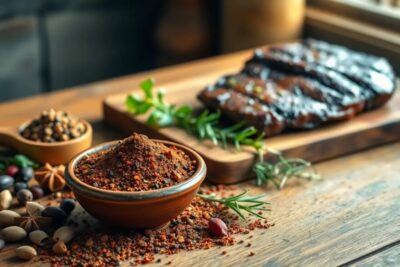
Seasoning a brisket: tips and techniques
When it comes to enhancing the flavor of your brisket, seasoning a brisket properly is essential. A well-seasoned brisket can elevate your cooking to a whole new level, whether you're smoking it, grilling it, or roasting it in the oven. In this guide, we'll explore everything you need to know about seasoning brisket, including tips, techniques, and recipes to achieve the best results.
Table of Contents
How do you make brisket rub?
Creating the perfect brisket rub is an art. A traditional rub often starts with a base of kosher salt and black pepper. You can then add other ingredients to customize the flavor profile. Here's a simple recipe:
- 1 cup of kosher salt
- 1 cup of black pepper
- ½ cup of brown sugar
- 2 tablespoons of smoked paprika
- 1 tablespoon of garlic powder
- 1 tablespoon of onion powder
This combination creates a savory and slightly sweet flavor that complements the richness of the brisket. You can also experiment with other spices like cayenne pepper or cumin for a kick!
What ingredients go in beef brisket rubs?
When it comes to seasoning a brisket, the ingredients you choose make all the difference. Here are some common components of beef brisket rubs:
- Kosher salt: Essential for flavor and moisture retention.
- Black pepper: Adds a spicy kick.
- Brown sugar: Balances out the saltiness with sweetness.
- Smoked paprika: Infuses a smoky flavor.
- Garlic powder and onion powder: Enhance the overall taste.
Mix and match these ingredients to find the perfect combination that suits your taste. Fresh spices make a significant impact, so always opt for high-quality products.
How long should dry rub be on brisket?
The duration for which you leave the dry rub on your brisket can significantly impact the flavor. For best results, it's recommended to apply the rub at least 30 minutes before cooking. However, if you want to intensify the flavors, aim for overnight seasoning.
Applying the rub and letting it sit in the refrigerator overnight allows the spices to penetrate the meat deeply, enhancing the overall taste. Always wrap the brisket tightly to prevent it from drying out.
For a quicker option, a few hours of resting time will still yield a deliciously seasoned brisket. Just make sure to not rush the process for optimal flavor.
Tips for the perfect brisket rub
Getting the perfect brisket rub isn't just about the ingredients; it's also about the technique. Here are some top tips:
- Use quality ingredients: Fresh spices will always outperform stale ones.
- Apply evenly: Make sure to coat every inch of the brisket for consistent flavor.
- Let it rest: Allow the rub to sit on the meat for a while before cooking.
- Experiment with flavors: Don't hesitate to add unique spices or herbs for a personal touch.
Lastly, remember that less is often more. While it’s tempting to overload with spices, a balanced approach will bring out the brisket's natural flavors without overpowering it.
What other cuts of beef work with this rub?
While brisket is a popular choice for rubs, several other cuts of beef benefit from the same seasoning techniques. Here are a few:
- Chuck roast: This cut is flavorful and works well with similar rubs.
- Ribeye: The marbling in ribeye pairs nicely with a good rub.
- Tri-tip: Enhances the smoky flavors beautifully.
- Beef ribs: Perfect for slow cooking and absorbing flavors.
Feel free to use the same rub on these cuts, adjusting cooking times as necessary. Each cut brings its unique texture and flavor, making them excellent options for grilling or smoking.
How to apply rub to a brisket correctly
Applying the rub correctly is just as crucial as the ingredients you use. Here’s how to do it right:
First, ensure your brisket is clean and dry. Pat it with paper towels to remove excess moisture. This helps the rub adhere better.
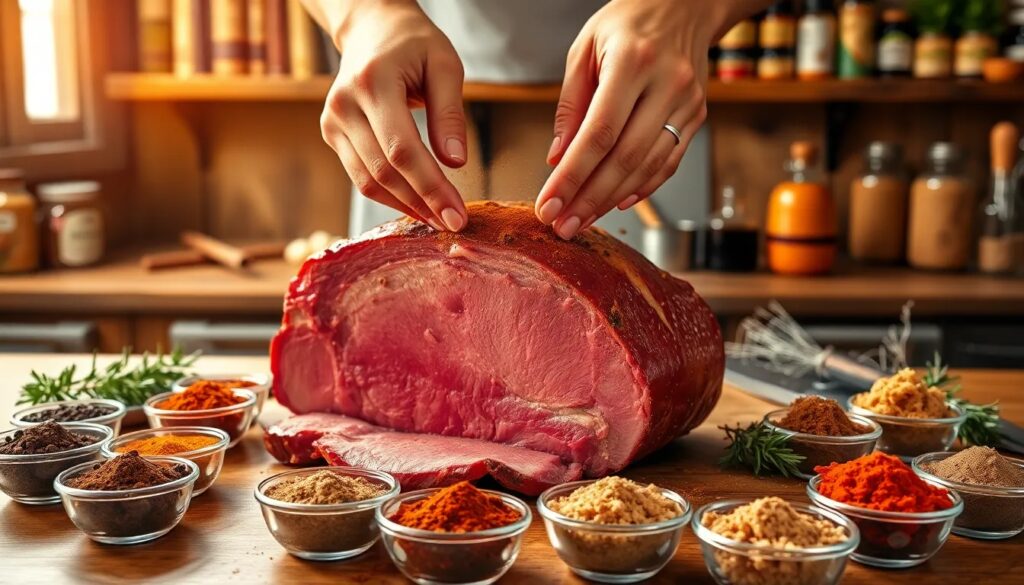
Next, take a generous amount of the rub and sprinkle it evenly over the surface of the brisket. Make sure to cover all sides, including the edges. Using your hands, gently press the rub into the meat to help it stick.
Once applied, wrap the brisket in plastic wrap or foil and refrigerate. Allowing it to marinate overnight can significantly enhance the flavor!
Remember to remove the brisket from the fridge about an hour before cooking to let it come to room temperature.
Seasoning a brisket is an essential step that can determine the success of your barbecue. Follow these techniques for a flavorful outcome!
What is the best way to season brisket?
The best way to season brisket involves using a well-balanced rub with quality ingredients. Start with a base of kosher salt and black pepper, then add sweet elements like brown sugar and smoky flavors from paprika. The key is to apply the rub evenly and allow it to rest for several hours or overnight to let the flavors penetrate.
What is the 3/2:1 rule for brisket?
The 3/2:1 rule is a popular guideline among BBQ enthusiasts that refers to the cooking process for ribs but can also apply to brisket. It suggests cooking the brisket for 3 hours unwrapped, followed by 2 hours wrapped in foil, and then 1 hour unwrapped again. The idea is to create a tender, juicy brisket with a nice bark.
What season is good for brisket?
While brisket can be enjoyed year-round, summer is particularly favorable due to outdoor grilling and smoking opportunities. However, flavors can be adjusted based on seasonal ingredients, such as using fresh herbs in the spring or spicier rubs in the fall for a bold flavor.
What is the 4 2 10 rule brisket?
The 4-2-10 rule is another cooking guideline indicating that brisket should be smoked at 225°F for 4 hours, wrapped and cooked for 2 more hours, and then rested for 10 hours before serving. This method focuses on achieving a perfect balance of smoke flavor, tenderness, and juiciness.
If you want to know other articles similar to Seasoning a brisket: tips and techniques you can visit the category Rub Seasoning.


More embers