

Brisket seasoning rub recipe
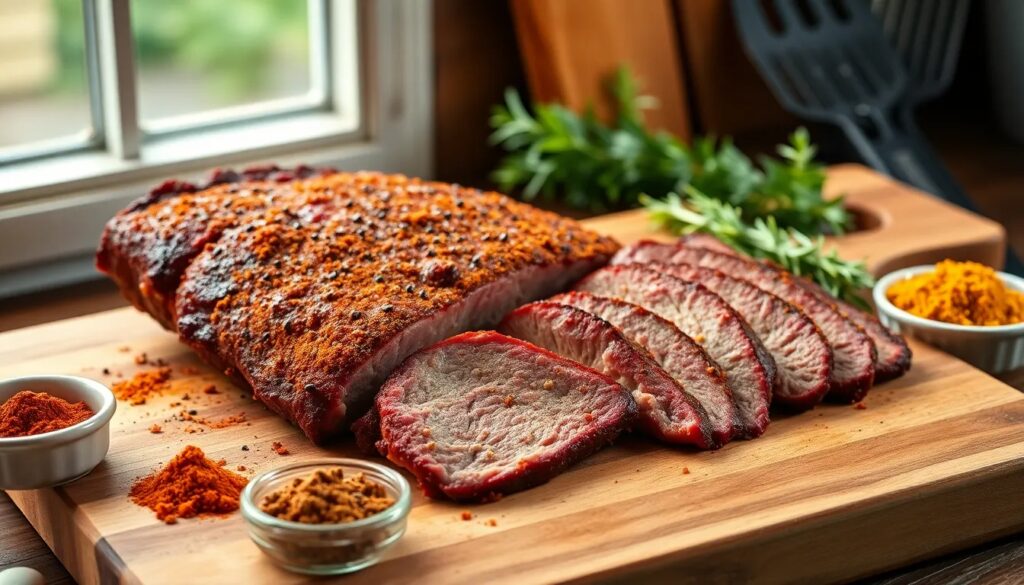
When it comes to achieving the perfect brisket, the right seasoning rub is crucial. A well-crafted brisket seasoning rub can elevate the flavor of your smoked meat, creating a mouthwatering experience for anyone who takes a bite. In this guide, we will explore everything you need to know about making the ultimate brisket rub, from ingredients to application techniques.
Table of Contents
- How do you make the best brisket rub?
- What ingredients go in beef brisket rubs?
- Do I need to put mustard on a brisket before the rub?
- How to apply rub to a brisket correctly?
- How long should dry rub be on brisket?
- Brisket rub flavor variations you should try
- Tips for the perfect brisket rub
- Questions related to brisket seasoning rub
How do you make the best brisket rub?
Creating the best brisket rub starts with a balance of flavors. A traditional rub typically combines a base of salt and pepper, with additional ingredients to enhance the overall taste. For a simple yet effective recipe, consider using the following:
- 1/4 cup kosher salt
- 1/4 cup black pepper
- 2 tablespoons garlic powder
- 2 tablespoons onion powder
- 2 tablespoons smoked paprika
- 2 tablespoons brown sugar
This combination of spices works harmoniously to bring out the natural flavors of the brisket while creating a delicious crust. The smoked paprika adds a hint of smokiness, which is perfect for barbecue enthusiasts.
What ingredients go in beef brisket rubs?
A well-rounded beef brisket rub includes various ingredients that each contribute to the overall flavor profile. Here are some common ingredients you might consider:
- Salt: Essential for enhancing the meat's natural taste.
- Pepper: Adds heat and depth of flavor.
- Garlic powder: Delivers a savory note.
- Onion powder: Provides sweetness and umami.
- Smoked paprika: Infuses the rub with a smoky essence.
- Brown sugar: Balances out the spices with a touch of sweetness.
Each of these ingredients plays a significant role in creating a robust and flavorful brisket seasoning rub. You can experiment with different ratios to find the ideal mix that suits your palate.
Do I need to put mustard on a brisket before the rub?
Applying mustard to your brisket before adding the rub is a personal choice among barbecue enthusiasts. Some believe that it helps the rub adhere better to the meat, while others argue that it adds unnecessary flavor. Here are some points to consider:
Using mustard can create a flavorful barrier that locks in moisture, ensuring a juicy brisket. The mustard itself will not impart a strong flavor, especially after cooking. It primarily acts as an adhesive for the rub.
If you prefer not to use mustard, you can also try using olive oil or simply apply the rub directly to the meat. The key is to ensure an even coating, allowing the spices to penetrate the brisket effectively.
How to apply rub to a brisket correctly?
Applying the rub to your brisket is an art form in itself. Here are some tips for proper application:
- Start with a clean, trimmed brisket. Remove any excess fat to allow for better seasoning penetration.
- Use your hands to apply a thin layer of mustard or oil over the surface of the brisket.
- Generously sprinkle the brisket seasoning rub all over the meat, ensuring every inch is covered.
- Gently massage the rub into the meat, pressing it down to help it adhere.
- Let the brisket sit for at least an hour, or preferably overnight, to allow the flavors to meld.
This technique ensures that the rub not only adheres well but also penetrates the meat, enhancing its flavor.
How long should dry rub be on brisket?
The duration for which you should leave the dry rub on the brisket varies based on personal preference and time constraints. Here are some guidelines:
For the best flavor, it's recommended to let the rub sit on the brisket for at least one hour before cooking. This allows the seasonings to penetrate the meat.
If you have more time, consider leaving the rub on for several hours or even overnight. This extended duration enables the spices to fully infuse the meat, resulting in a more flavorful brisket.
Brisket rub flavor variations you should try
While the traditional brisket seasoning rub is fantastic on its own, experimenting with different flavor profiles can yield exciting results. Here are some variations to consider:
- Coffee rub: Add ground coffee for a rich, earthy flavor.
- Spicy rub: Incorporate cayenne pepper or chili powder for a kick.
- Herb-infused rub: Blend dried herbs like thyme, rosemary, or oregano for an aromatic touch.
- Citrus rub: Include lemon or orange zest for a refreshing twist.
These variations can help you customize the flavor of your brisket, allowing you to cater to different taste preferences.
Tips for the perfect brisket rub
Achieving the ideal brisket rub is about more than just the ingredients; it's also about technique. Here are some essential tips:
- Always use fresh spices for the best flavor. Stale spices can dull the taste.
- Balance your flavors. A good rub should have a mix of salty, sweet, and spicy elements.
- Don’t be afraid to experiment. Adjust the ingredients based on your taste and preferences.
- Consider the cooking method. Different cooking techniques may require slight adjustments to your rub.
- Store your rub in an airtight container to preserve freshness.
By following these tips, you can perfect your brisket rub and impress your guests with a flavorful barbecue experience.
What seasoning is best for brisket?
The best seasoning for brisket often involves a mix of salt, pepper, garlic powder, and smoked paprika. Salt enhances the natural flavor of the beef, while pepper adds depth. For those who enjoy a sweeter flavor, incorporating brown sugar into your rub can create a delightful caramelized crust.
What is the 4 2 10 rule brisket?
The 4 2 10 rule is a popular guideline among barbecue enthusiasts. It suggests cooking brisket at 225°F for four hours, wrapping it in foil for two hours, and letting it rest for ten hours. This method helps achieve a tender, flavorful brisket while keeping it moist.
What is a good rub for brisket?
A good rub for brisket should include a combination of salt, black pepper, garlic powder, onion powder, and brown sugar. This blend creates a well-rounded flavor that complements the beef without overwhelming it. You can always adjust the ratios to suit your taste.
What is the 3 2 1 rule for brisket?
The 3 2 1 rule is a smoking guideline typically used for ribs, but it can be adapted for brisket. It involves smoking the brisket for three hours unwrapped, wrapping it in foil for two hours, and then allowing it to rest for one hour. This technique helps retain moisture while developing a delicious bark.
With this comprehensive guide, you're now equipped to create the ultimate brisket seasoning rub and impress your guests with your barbecue skills. Happy cooking!
If you want to know other articles similar to Brisket seasoning rub recipe you can visit the category Rub Seasoning.


More embers