
What spices are in Italian seasoning?

Italian seasoning is a beloved blend of herbs that brings a taste of Italy to your kitchen. Whether you're Cooking pasta, chicken, or vegetables, this versatile mix can elevate any dish. In this article, we will explore the spices included in Italian seasoning, how to make it at home, and tips on how to use and store it effectively.
Index
- What is Italian seasoning?
- What spices are in Italian seasoning?
- How to make homemade Italian seasoning?
- How to use Italian seasoning mix?
- How to store homemade Italian seasoning?
- What are the benefits of using homemade Italian seasoning?
- What can I substitute for Italian seasoning?
- Questions related to the use of Italian seasoning
What is Italian seasoning?
Italian seasoning is a convenient blend of dried herbs commonly used in Italian cuisine. It typically includes herbs like basil, oregano, rosemary, thyme, and parsley. These herbs are known for their aromatic qualities and their ability to enhance the flavors of various dishes. The beauty of Italian seasoning lies in its versatility; it can be used in everything from Marinades to soups, making it a staple in many kitchens.
Traditionally, Italian seasoning is used to add depth to pasta sauces, grilled meats, and roasted vegetables. The blend can vary from brand to brand, but the essential herbs usually remain the same. Making your own Italian seasoning allows you to customize the proportions and ingredients to suit your taste preferences.
What spices are in Italian seasoning?
When you ask, what spices are in Italian seasoning, you’re typically looking at a combination of several key herbs. Here are the most common spices included in this delightful mix:
 Seasoning a salmon: tips and recipes
- Basil: Offers a sweet and slightly peppery flavor.
- Oregano: Known for its warm, aromatic taste, it’s a staple in many Italian dishes.
- Rosemary: Has a strong, pine-like flavor that pairs well with meats and roasted vegetables.
- Thyme: Adds an earthy, minty flavor that complements a variety of dishes.
- Parsley: Often used as a garnish, it also brings a fresh, green taste to the seasoning.
Some versions of Italian seasoning may also include additional herbs such as marjoram or sage. Optional ingredients like garlic powder or red pepper flakes can be added for an extra kick, depending on personal preference.
How to make homemade Italian seasoning?
Creating your own homemade Italian seasoning is both simple and rewarding. By combining these herbs, you can craft a mix that perfectly suits your taste. Here’s a quick and easy Italian seasoning recipe:
- Combine equal parts of dried basil, oregano, rosemary, thyme, and parsley in a bowl.
- For a spicier blend, add a teaspoon of red pepper flakes.
- Mix thoroughly and store in an airtight container.
- Label the container with the date and contents.
- For optimal flavor, use within six months.
Using fresh or high-quality dried herbs is crucial for achieving the best flavor in your homemade blend. Adjust the proportions to suit your preferences; for example, you may want more oregano if you enjoy its robust flavor.
How to use Italian seasoning mix?
Italian seasoning is incredibly versatile, making it perfect for a range of dishes. Here are a few ideas on how to use this flavorful mix:
Seasoning a salmon: tips and recipes Brisket rub seasoning
- Pasta dishes: Sprinkle the seasoning into your pasta sauce or on top of cooked pasta for added flavor.
- Chicken: Rub the seasoning on chicken before grilling or roasting for an aromatic boost.
- Vegetables: Toss roasted or sautéed vegetables with Italian seasoning to enhance their natural flavors.
- Soups and stews: Add a teaspoon or two during cooking for a depth of flavor in your broths.
- Salad dressings: Mix into olive oil and vinegar for a zesty homemade dressing.
By incorporating this blend into your weeknight meals, you can create delicious and easy dishes that are sure to impress.
How to store homemade Italian seasoning?
Proper storage of homemade Italian seasoning is essential for maintaining its flavor and potency. Follow these tips to ensure your seasoning stays fresh:
- Use an airtight container: Store your blend in a clean, dry jar with a tight-fitting lid.
- Keep it cool and dark: Place the container in a pantry or cupboard away from heat and sunlight.
- Label your container: Include the date you made the seasoning to keep track of its freshness.
- Avoid moisture: Always use a dry spoon when scooping out the seasoning to prevent clumping.
When stored correctly, your homemade Italian seasoning can last for several months, allowing you to enjoy its vibrant flavors whenever you cook.
What are the benefits of using homemade Italian seasoning?
Using homemade Italian seasoning offers numerous benefits compared to store-bought options. Here are a few reasons why making your own blend is a great choice:
Seasoning a salmon: tips and recipesBrisket rub seasoning Salt seasoning
- Customization: You can adjust the ingredients and proportions to suit your personal taste.
- Freshness: Homemade blends use high-quality herbs, free from fillers and preservatives.
- Cost-effective: Making your own seasoning is often cheaper than purchasing pre-made mixes, especially if you buy herbs in bulk.
- Control over ingredients: You can avoid additives and ensure that you're using only what you want in your cooking.
Overall, homemade Italian seasoning is not only healthier but also enhances the flavor of your dishes significantly.
What can I substitute for Italian seasoning?
If you find yourself without Italian seasoning, there are several alternatives you can use. Here are some options to consider:
- Individual herbs: Use specific herbs such as basil, oregano, or thyme, adjusting to taste.
- Herb de Provence: This blend contains similar herbs and can be used in equal amounts.
- Fresh herbs: If you have fresh herbs on hand, use them in larger quantities for a fresher flavor.
- Pasta seasoning: If you have a pasta-specific seasoning blend, it can serve as a substitute.
Experimenting with these substitutions allows you to maintain flavor in your dishes even when you're out of Italian seasoning.
What is Italian seasoning made of?
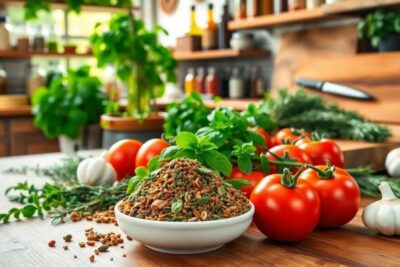
Italian seasoning is primarily made of a blend of dried herbs. The most common ingredients include basil, oregano, rosemary, thyme, and parsley, which together create a flavorful mixture that enhances a variety of dishes. Each herb contributes its unique flavor profile, making this seasoning versatile for many culinary applications.
Seasoning a salmon: tips and recipesBrisket rub seasoningSalt seasoning Seasoning pork chops for maximum flavor
You can customize the blend by adjusting the proportions or adding optional ingredients like garlic powder or red pepper flakes for extra flavor. This adaptability allows you to cater to your personal taste preferences while still enjoying the signature taste of Italian cuisine.
What can I use if I don't have Italian seasoning?
If you don't have Italian seasoning on hand, there are several alternatives to consider. Individual herbs like basil, oregano, and thyme can be used separately to achieve a similar flavor profile. You can mix these herbs together in equal parts to create your own quick blend.
Additionally, you may use Herb de Provence, which contains similar herbs and works well as a substitute. Fresh herbs are also an excellent option if you have them readily available, as they can add a vibrant flavor to your dishes.
What are the five Italian spices?
The five common spices found in Italian cuisine include basil, oregano, rosemary, thyme, and parsley. Each of these herbs brings distinct flavors that complement Italian dishes beautifully. For instance, basil offers a sweet note, while oregano provides warmth and depth.
Seasoning a salmon: tips and recipesBrisket rub seasoningSalt seasoningSeasoning pork chops for maximum flavor Mace seasoning: uses, benefits and recipes
Utilizing these spices in your cooking can help you recreate authentic Italian flavors in various recipes, from sauces to marinades, enhancing your culinary creations.
What spices are in McCormick Italian seasoning?
McCormick Italian seasoning typically includes a blend of basil, oregano, rosemary, thyme, and marjoram. This combination is designed to replicate traditional Italian flavors and is perfect for those who prefer the convenience of pre-mixed seasonings.
Using McCormick’s blend makes it easy to add a burst of flavor to your dishes without the hassle of measuring individual herbs. However, you can always tailor your seasoning by adding more of your favorite herbs to enhance the flavor further.
Seasoning a salmon: tips and recipesBrisket rub seasoningSalt seasoningSeasoning pork chops for maximum flavorMace seasoning: uses, benefits and recipes What are the spices in Italian seasoning?
If you want to know other articles similar to What spices are in Italian seasoning? you can visit the category Italian Seasoning.

Deja una respuesta

Gestionar consentimiento
Funcional Siempre activo
El almacenamiento o acceso técnico es estrictamente necesario para el propósito legítimo de permitir el uso de un servicio específico explícitamente solicitado por el abonado o usuario, o con el único propósito de llevar a cabo la transmisión de una comunicación a través de una red de comunicaciones electrónicas.
Preferencias
El almacenamiento o acceso técnico es necesario para la finalidad legítima de almacenar preferencias no solicitadas por el abonado o usuario.
Estadísticas
El almacenamiento o acceso técnico que es utilizado exclusivamente con fines estadísticos. El almacenamiento o acceso técnico que se utiliza exclusivamente con fines estadísticos anónimos. Sin un requerimiento, el cumplimiento voluntario por parte de tu proveedor de servicios de Internet, o los registros adicionales de un tercero, la información almacenada o recuperada sólo para este propósito no se puede utilizar para identificarte.
Marketing
El almacenamiento o acceso técnico es necesario para crear perfiles de usuario para enviar publicidad, o para rastrear al usuario en una web o en varias web con fines de marketing similares.
More embers