

Recipe chicken rub for delicious flavor
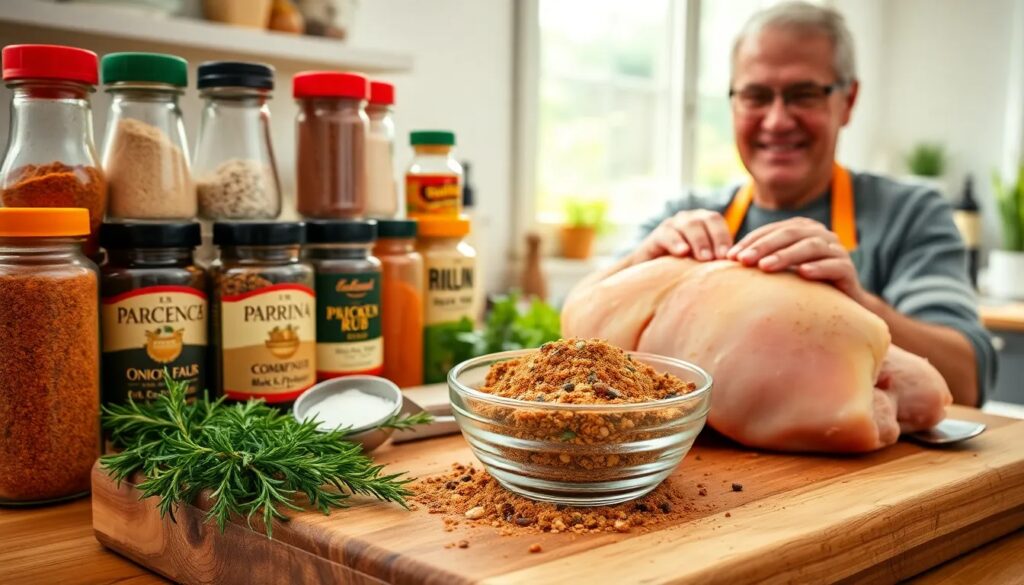
Creating a homemade recipe chicken rub can elevate your chicken dishes to new heights. The right blend of spices can add layers of flavor, making your meals unforgettable. This article will guide you through the essentials of crafting the perfect chicken rub that suits your palate.
A good chicken rub is not only about the spices used but also how they complement the chicken's natural flavors. By understanding the components of a great rub, you can easily adapt it to your cooking methods, whether grilling, baking, or smoking.
Table of Contents
- What makes a good chicken rub?
- How long should dry rub sit on chicken?
- What is the best seasoning for chicken?
- What is the difference between chicken seasoning and chicken rub?
- How to customize your chicken rub?
- How to store your homemade chicken rub?
- How to use chicken rub for maximum flavor?
- Frequently asked questions about chicken rub
- Related questions about chicken rubs and seasonings
What makes a good chicken rub?
A good chicken rub is a harmonious blend of ingredients that enhances the flavor of the chicken. Key elements include:
- Freshness: Using fresh spices will improve the overall taste.
- Balance: A well-balanced rub combines sweet, salty, spicy, and savory flavors.
- Texture: The texture should allow for a good adherence to the chicken, ensuring it sticks during cooking.
- Customization: The best rubs cater to personal preferences, allowing you to adjust for heat or sweetness.
When crafting your rub, consider using paprika, garlic, oregano, and thyme. These ingredients not only contribute to flavor but also add aromatic qualities that make your chicken enticing.
Experimenting with unique spices like smoked paprika can give your rub a distinctive twist, perfect for adding depth to your chicken dishes. The goal is to create a versatile chicken rub that suits various cooking methods while enhancing the overall flavor profile.
How long should dry rub sit on chicken?
The duration for which a dry rub should sit on chicken can significantly impact the flavor infusion. Ideally, it's recommended to let the rub sit for at least 30 minutes to 1 hour before cooking. Here’s why:
- Flavor development: Allowing the rub to marinate helps the spices permeate the chicken, enhancing the flavor.
- Texture improvement: A longer sitting time can help create a crust on the chicken once it’s cooked.
- Refrigeration: For optimal flavor, consider refrigerating the chicken with the rub for up to 24 hours before cooking. This extended period allows the spices to work their magic thoroughly.
Keep in mind that while letting the rub sit longer is beneficial, even a brief period can still impart noticeable flavor. If you're in a hurry, even 15 minutes can make a difference.
What is the best seasoning for chicken?
When it comes to seasoning chicken, the best approach often includes a mixture of the following:
- Salt: Essential for enhancing the natural flavors.
- Pepper: Adds a gentle heat that balances the overall taste.
- Herbs: Fresh or dried herbs like thyme, oregano, and rosemary contribute aromatic notes.
- Spices: Paprika, garlic powder, and onion powder deliver depth and complexity.
- Acidity: Citrus zest or vinegar can brighten the flavors and tenderize the chicken.
A good chicken seasoning is often about layering flavors. For instance, start with salt and pepper, then build upon those with herbs and spices. This layering technique ensures every bite is flavorful, making your chicken dishes irresistible.
What is the difference between chicken seasoning and chicken rub?
While both chicken seasoning and chicken rub aim to enhance the flavor of chicken, they differ in application and composition:
- Chicken seasoning generally consists of powdered spices and herbs that can be easily mixed into marinades or sprinkled on chicken before cooking. It's often more versatile and can be used in a variety of dishes.
- Chicken rub, on the other hand, is a thicker mixture of spices that is applied directly to the chicken's surface. This method creates a flavorful crust when cooked and is typically used for grilling or smoking meats.
Understanding these differences can help you choose the right product for your cooking method. While both can be delicious, a well-crafted rub can make your chicken truly memorable.
How to customize your chicken rub?
Customizing your chicken rub is an exciting way to cater the flavor to your personal taste. Here are some tips to consider:
1. Adjust the heat: Add cayenne pepper or chili powder for a spicy kick, or reduce the amount for a milder flavor.
2. Incorporate sweetness: Brown sugar or honey granules can add a sweet contrast to savory spices, creating a balanced flavor.
3. Experiment with herbs: Swap out traditional herbs for unique options like dill or basil to create a fresh taste.
4. Add citrus: Incorporating lemon or orange zest can provide a bright, zesty flavor that complements the chicken.
5. Create a themed rub: For specific cuisines, consider adding distinct spices (e.g., cumin for Mexican, or allspice for Caribbean).
A customized recipe chicken rub not only enhances your chicken but also allows you to get creative in the kitchen. Don’t hesitate to experiment with different combinations to discover what you love best.
How to store your homemade chicken rub?
Proper storage of your homemade chicken rub is crucial for maintaining its flavor over time. Here are some effective storage tips:
- Airtight containers: Store your rub in airtight jars to prevent air exposure that can diminish flavor.
- Cool, dark places: Keep the rub in a cool, dark area, away from direct sunlight, which can degrade the spices.
- Labeling: Label containers with the date of creation; homemade rubs typically last for up to six months.
By following these simple storage tips, you can ensure that your chicken rub remains flavorful and fresh, ready for your next cooking adventure.
How to use chicken rub for maximum flavor?
Using your chicken rub effectively can significantly enhance the flavor of your chicken. Here are some methods to maximize its impact:
- Generous application: Don’t be shy! Apply a generous amount of rub to ensure the chicken is well-coated. This ensures the spices are evenly distributed.
- Let it rest: After applying the rub, allow the chicken to rest for a while before cooking. This helps the flavors meld with the meat.
- Cooking methods: Different cooking techniques can affect the flavor. For example, grilling can create a smoky flavor, while baking can enhance the spice profile.
- Pair with marinades: Combining your rub with a marinade can add additional moisture and flavor, making your chicken succulent.
These methods will help you achieve a mouthwatering chicken dish that showcases the full potential of your recipe chicken rub.
Frequently asked questions about chicken rub
What makes a good chicken rub?
A good chicken rub is characterized by a well-balanced blend of spices, herbs, and salt. Freshness plays a crucial role; using fresh ingredients ensures vibrant flavors. Moreover, a successful rub should complement the chicken without overpowering it. It’s also about personal preference, so feel free to tweak the ratio of sweet, salty, and spicy components to create a rub that suits your taste.
How long should dry rub sit on chicken?
For optimal flavor infusion, a dry rub should ideally sit on the chicken for at least 30 minutes to 1 hour. However, for maximum flavor, refrigerating the chicken with the rub for up to 24 hours is advisable. This allows the spices to penetrate the meat, ensuring a delicious flavor throughout.
What is the best seasoning for chicken?
The best seasoning for chicken includes a combination of salt, pepper, and various herbs and spices. Paprika, garlic powder, and onion powder are popular choices. Using a mix of these ingredients can enhance the chicken's natural flavors and create a well-rounded taste. Don't forget to consider acidity, like citrus zest, for added brightness.
What is the difference between chicken seasoning and chicken rub?
Chicken seasoning is typically a finer blend of spices that can be sprinkled on chicken or mixed into marinades. In contrast, chicken rub is a coarser mixture designed to be massaged directly onto the chicken's surface, creating a flavorful crust during cooking. Both serve to enhance flavor but are used differently depending on the cooking method and desired outcome.
If you want to know other articles similar to Recipe chicken rub for delicious flavor you can visit the category Chicken Seasoning.

More embers