
Monosodium glutamate seasoning: benefits and uses
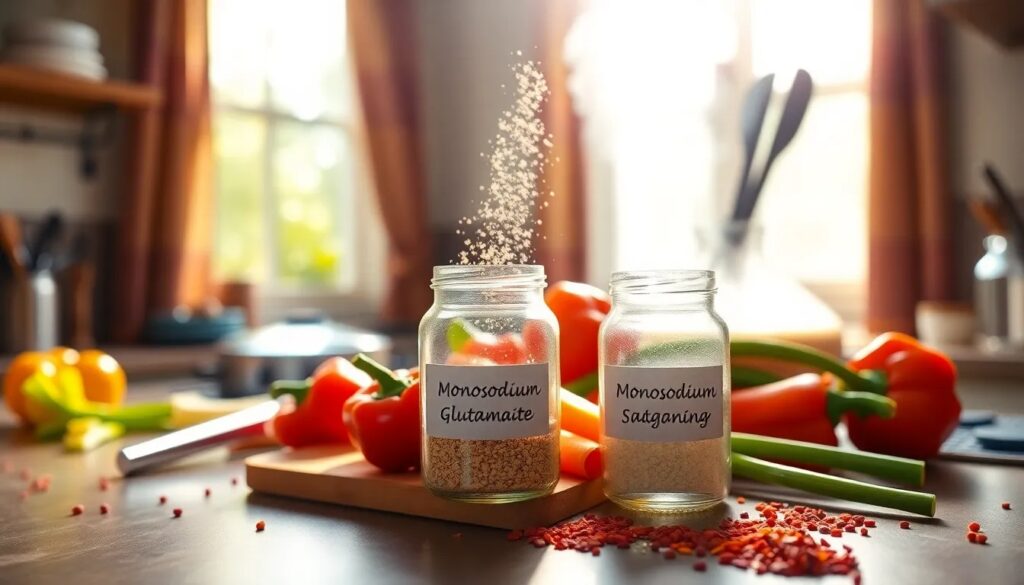
Monosodium glutamate (MSG) is a popular flavor enhancer known for adding a rich umami taste to a variety of dishes. Once controversial, it is now widely accepted as safe for consumption and is commonly used in many culinary practices.
This article explores the various aspects of monosodium glutamate seasoning, from its composition to its culinary applications, helping you understand how to use it effectively in your home cooking.
Table of Contents
- What is monosodium glutamate?
- What does monosodium glutamate taste like?
- How to make an all-purpose monosodium glutamate seasoning?
- Where to buy monosodium glutamate seasoning?
- Is monosodium glutamate bad for you?
- What are the benefits of monosodium glutamate seasoning?
- What foods typically contain monosodium glutamate?
- Questions related to monosodium glutamate seasoning
What is monosodium glutamate?
Monosodium glutamate is a sodium salt derived from glutamic acid, an amino acid naturally found in many foods. It is celebrated for its ability to enhance savory flavors, making it a favorite among chefs and home cooks alike. MSG is often produced through the fermentation of starch, sugar beets, or cane sugar.
This flavor enhancer is recognized as the fifth basic taste, known as umami. It adds depth and richness to dishes, complementing other flavors and making meals more satisfying.
Despite past controversies surrounding its safety, numerous studies have shown that monosodium glutamate is safe for most people when consumed in moderation. The FDA recognizes MSG as a safe ingredient, with adverse reactions reported by less than 1% of the population.
What does monosodium glutamate taste like?
The taste profile of monosodium glutamate seasoning is best described as savory and rich, often enhancing the overall flavor of the dish. It has a unique umami flavor that does not overpower the original ingredients but rather complements them.
When added to dishes, MSG can make them taste more robust and flavorful. It works particularly well in broths, soups, and stir-fries, where its flavor-enhancing properties can shine.
Many people find that using monosodium glutamate in their cooking reduces the need for excessive salt, making it a healthier option for flavor enhancement.
How to make an all-purpose monosodium glutamate seasoning?
Creating an all-purpose monosodium glutamate seasoning is simple and can be customized to suit your taste preferences. Here’s a quick recipe:
- 2 tablespoons of monosodium glutamate
- 1 tablespoon of garlic powder
- 1 tablespoon of onion powder
- 1 teaspoon of black pepper
- 1 teaspoon of dried herbs (like oregano or thyme)
Mix all the ingredients in a bowl until they are well combined. Store your homemade seasoning in an airtight container to keep it fresh. This blend can be used to enhance the flavor of meats, vegetables, and even popcorn!
Experiment with different herbs and spices to create your signature MSG blend, tailoring it to fit your culinary style.
Where to buy monosodium glutamate seasoning?
You can find monosodium glutamate seasoning in various locations, including supermarkets, specialty stores, and online retailers. Most grocery stores have it in the spice aisle labeled as MSG.
Additionally, you’ll find it available in bulk at health food stores or Asian markets, often at a lower price. Online platforms like Amazon or cooking supply websites also offer a wide range of options for purchasing MSG.
When buying, ensure you check the packaging for quality and consider opting for brands that are well-reviewed for their purity and flavor enhancement.
Is monosodium glutamate bad for you?
The safety of monosodium glutamate has been a topic of debate for years. Research shows that, for most people, moderate consumption is safe. The FDA has classified it as a safe ingredient, and adverse reactions are rare.
Some sensitive individuals may experience mild symptoms, such as headaches or flushing, after consuming large amounts of MSG. However, these cases are uncommon. For the general population, using MSG can significantly enhance flavors without posing health risks.
It is crucial to consume it in moderation, just like any other seasoning. If you're unsure about your sensitivity to MSG, consider starting with small amounts and observing how your body reacts.
What are the benefits of monosodium glutamate seasoning?
Monosodium glutamate seasoning offers a myriad of benefits in cooking. One of the primary advantages is its ability to enhance the umami flavor, making dishes more flavorful and satisfying.
Additionally, using MSG can help reduce sodium intake. Since it enhances flavor, you can often use less salt in your cooking, leading to healthier meals.
Furthermore, monosodium glutamate is versatile and can be used in various cuisines, from Asian dishes to savory snacks, making it a staple in many kitchens.
What foods typically contain monosodium glutamate?
Monosodium glutamate is commonly found in a wide array of foods. Here are some examples:
- Soups and broths
- Processed meats (like sausages and deli meats)
- Snack foods (such as chips and crackers)
- Asian cuisine (like soy sauce and certain stir-fries)
- Condiments (like salad dressings and sauces)
These foods leverage the flavor-enhancing properties of MSG, making them more palatable and appealing to consumers. When cooking at home, you can experiment with adding MSG to enhance the flavors of your favorite dishes.
What is MSG and why should you avoid it?
MSG, or monosodium glutamate, is a flavor enhancer that has garnered a mixed reputation over the years. While some people believe they might have sensitivities to it, the FDA considers it safe for the majority. The key reasons people might choose to avoid it include personal preference or past experiences of mild reactions.
For those who enjoy a wide range of flavors and cooking techniques, MSG can be a valuable addition. However, if you've experienced adverse effects or prefer to cook without additives, it's perfectly valid to avoid it.
What is MSG seasoning made of?
MSG seasoning primarily consists of monosodium glutamate, which is a sodium salt of glutamic acid. The production process involves fermenting starch or sugar, which forms the glutamate molecule.
Some blends may include other ingredients such as garlic powder, onion powder, or various spices to enhance its flavor profile further. Always check the ingredient labels to understand what additives might be included in your purchased MSG seasoning.
Why is MSG illegal in the US?
Contrary to popular belief, MSG is not illegal in the United States. In fact, it is widely used in various products and is recognized as safe by the FDA. Some products may carry warnings about containing MSG due to past controversies, but it remains a legal and commonly used ingredient in food production.
Is MSG healthier than salt?
When comparing monosodium glutamate to table salt, MSG can be seen as a healthier option for flavor enhancement. MSG contains less sodium than salt, allowing you to enjoy flavorful dishes while reducing overall sodium intake.
For those looking to manage hypertension or reduce salt consumption, incorporating MSG may be beneficial. However, it is essential to use it in moderation and as part of a balanced diet.
Every Way To Use MSG Feat. Uncle Roger & Guga

If you want to know other articles similar to Monosodium glutamate seasoning: benefits and uses you can visit the category Seasoning & Marinades.
More embers