
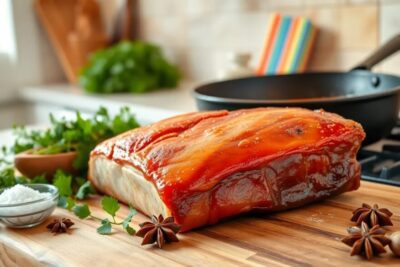
Pork tenderloin temperature guide

Pork tenderloin is a versatile and delicious cut of meat that can be prepared in various ways. Understanding the pork tenderloin temperature is crucial for achieving the perfect balance of flavor and tenderness. In this guide, we will explore the best cooking methods, optimal temperatures, and tips for creating a succulent pork tenderloin.
Whether you are a seasoned chef or a home cook, knowing how to cook pork tenderloin perfectly will enhance your culinary skills and impress your guests.
Table of Contents
- Baked pork tenderloin
- How to achieve juicy perfection with pork tenderloin
- How to cook pork tenderloin for optimal juiciness?
- What is the best pork tenderloin cooking temperature?
- How long should you cook pork tenderloin in the oven?
- What ingredients are essential for baked pork tenderloin?
- What are expert tips for cooking pork tenderloin?
- How to use leftover baked pork tenderloin?
- How to store pork tenderloin properly?
- Related questions about pork tenderloin cooking temperature
Baked pork tenderloin
Baking pork tenderloin is one of the simplest and most effective methods to achieve a juicy and flavorful dish. When baked correctly, the pork retains its moisture and develops a lovely crust. The key to success lies in the temperature and cooking time.
For a perfectly baked pork tenderloin, preheat your oven to 400°F. This high temperature allows for a nice sear on the outside while keeping the inside juicy. Here are some additional tips for baking:
- Season generously with salt, pepper, and your choice of herbs.
- Use a digital thermometer to monitor the internal temperature.
- Let the pork rest for at least 5-10 minutes after baking to allow the juices to redistribute.
By following these steps, you can ensure a delicious pork tenderloin that is both tender and flavorful.
How to achieve juicy perfection with pork tenderloin
Achieving juicy pork tenderloin requires attention to detail in both preparation and cooking. Start by trimming any excess fat and silver skin, as these can affect the texture. Next, consider marinating the pork in a mixture of citrus juices and seasonings to enhance flavor and moisture.
Marinating not only adds flavor but also helps to tenderize the meat. Here’s a quick recipe for a simple marinade:
- Combine equal parts orange and lime juice.
- Add minced garlic, olive oil, and your favorite herbs.
- Let the pork marinate for at least 30 minutes, or up to overnight for more flavor.
Once marinated, remember to cook the pork tenderloin to the recommended internal temperature of 145°F for optimal juiciness.
How to cook pork tenderloin for optimal juiciness?
To cook pork tenderloin to perfection, it's important to avoid overcooking. The ideal method involves using a combination of techniques, such as searing and roasting. Start by searing the tenderloin in a hot skillet for a few minutes on each side to develop a golden crust.
After searing, transfer the pork to a preheated oven to finish cooking. This dual approach locks in moisture and enhances flavor. Additionally, using a meat thermometer is essential to check for doneness without cutting into the meat.
For optimal juiciness, always aim for an internal temperature of 145°F. Letting the pork rest before slicing allows the juices to settle, resulting in a more succulent dish.
What is the best pork tenderloin cooking temperature?
Many home cooks wonder about the best cooking temperature for pork tenderloin. The USDA recommends cooking pork to a minimum internal temperature of 145°F, followed by a three-minute rest time. This ensures that the meat is both safe to eat and retains its moisture.
While some may prefer cooking at higher temperatures, doing so can lead to a dry and tough texture. Cooking at the recommended temperature allows the pork to cook evenly while remaining juicy. Always use an instant-read thermometer for accuracy.
Another important note is that factors such as the size and thickness of the tenderloin can affect cooking time. Be sure to adjust your cooking method accordingly to ensure a perfectly cooked piece of meat.
How long should you cook pork tenderloin in the oven?
The cooking time for pork tenderloin in the oven varies based on its size and thickness. As a general guide, a pork tenderloin weighing around 1 pound typically takes about 20-25 minutes to cook at 400°F. Always check the internal temperature to ensure it reaches 145°F.
For larger cuts, increase the cooking time. It's also advisable to let the tenderloin rest after removing it from the oven. This resting period helps the juices redistribute, ensuring every bite is moist and flavorful.
Additionally, consider using a convection oven if available, as it can reduce cooking time and promote even cooking.
What ingredients are essential for baked pork tenderloin?
Creating a flavorful baked pork tenderloin is easy with a few essential ingredients. The foundation for a delicious dish often includes:
- Pork tenderloin
- Olive oil for moisture
- Salt and pepper for basic seasoning
- Your choice of herbs, such as rosemary or thyme
- Citrus juices for marinating and flavor enhancement
Feel free to experiment with different seasonings or marinades to elevate your dish. The combination of herbs and citrus can truly transform the flavor profile of your pork tenderloin.
What are expert tips for cooking pork tenderloin?
To ensure a successful pork tenderloin dish, consider these expert tips:
- Always use a meat thermometer to check for doneness.
- Allow the meat to rest post-cooking to enhance juiciness.
- Consider using a brine or marinade for added flavor and tenderness.
- Experiment with different cooking methods, such as grilling or slow cooking.
By following these tips, you'll maximize the flavor and tenderness of your pork tenderloin, leading to rave reviews at your dinner table.
How to use leftover baked pork tenderloin?
Leftover baked pork tenderloin can be transformed into a variety of delicious dishes. Instead of letting it go to waste, consider these ideas:
- Slice it thinly for sandwiches or wraps.
- Chop and add it to salads for extra protein.
- Use it in stir-fries with fresh vegetables.
These options not only reduce waste but also allow you to enjoy the flavor of your pork tenderloin in new and exciting ways. Store leftovers in an airtight container in the refrigerator for up to four days.
How to store pork tenderloin properly?
Proper storage of pork tenderloin is essential to maintain its quality. If you have leftover cooked pork tenderloin, let it cool to room temperature before refrigerating. Place it in an airtight container to prevent moisture loss and contamination.
For raw pork tenderloin, ensure it’s tightly wrapped in plastic wrap or placed in a sealed bag. Store it in the refrigerator if you plan to use it within a few days; otherwise, freezing is the best option. Make sure to label the packaging with the date to ensure you use it within a safe timeframe.
When ready to use frozen pork tenderloin, thaw it in the refrigerator overnight for safe cooking.
Should pork tenderloin be 145 or 160?
The recommended internal temperature for pork tenderloin is 145°F, followed by a three-minute rest period. Cooking it to 160°F can lead to dryness, so it's best to stick to the lower temperature for optimal juiciness.
Is it better to cook a pork loin at 350 or 400?
Cooking pork tenderloin at 400°F is generally better as it provides a nice sear and helps to lock in juices. While 350°F is also acceptable, it may require a longer cooking time, increasing the risk of dryness.
What temperature should you cook your pork tenderloin at?
The ideal cooking temperature for pork tenderloin is 400°F. This temperature allows for even cooking and enhances the flavor of the meat. Always refer to an instant-read thermometer to ensure the center reaches 145°F for safety.
Is pork tenderloin safe to eat at 135?
While some might prefer cooking pork to 135°F, it is not recommended as it falls below the USDA's safe minimum of 145°F. To ensure food safety and proper doneness, always aim for the higher temperature.
If you want to know other articles similar to Pork tenderloin temperature guide you can visit the category Pork Marinades.


More embers