

Flank steak guide
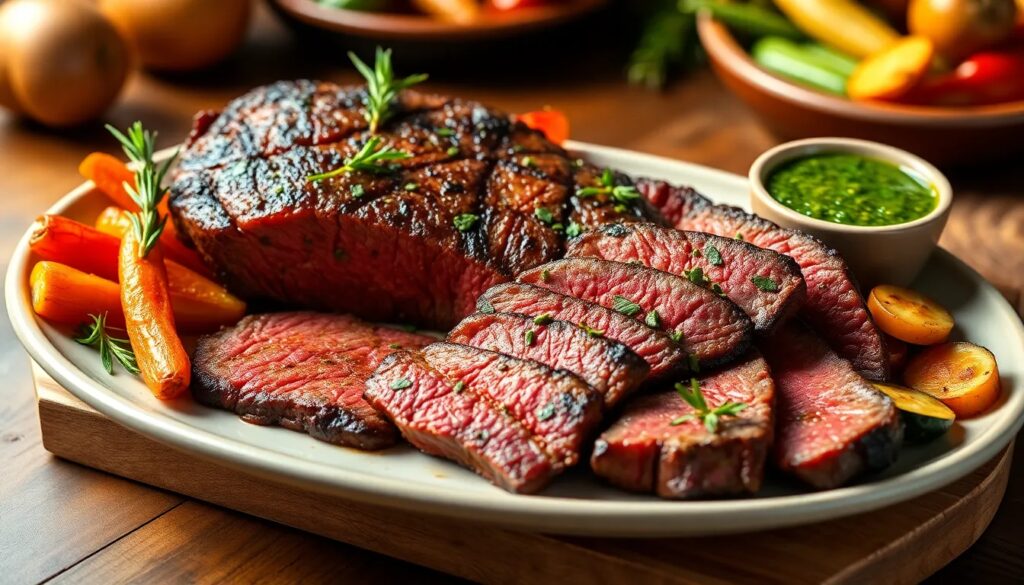
Flank steak is a beloved cut of meat known for its distinctive flavor and versatility in the kitchen. Whether you're grilling, broiling, or preparing it in a stir-fry, flank steak offers a delightful experience for meat lovers. This guide will explore everything you need to know about this delicious cut, from marinade tips to cooking methods.
Table of Contents
- What is flank steak?
- How to make a perfect flank steak marinade?
- How long to cook flank steak for optimal taste?
- What to serve with marinated flank steak?
- Flank steak vs skirt steak: What’s the difference?
- How to store and reheat leftover flank steak?
- What are some popular recipes using flank steak?
- Frequently asked questions about flank steak
- Related questions about cooking flank steak
What is flank steak?
Flank steak is a lean and flavorful cut taken from the abdominal muscles of a cow. It is located between the plate and the rear quarter and is particularly known for its long, fibrous texture. While it can be a bit chewy, the right cooking methods can make it incredibly tender. Flank steak is recognized by various names worldwide, including carne asada in Latin America and falda in Spain and Cuba.
This cut gained popularity in North America during the 20th century, especially after World War I and II. The cultural significance of flank steak in South America is noteworthy, where it is often featured in traditional dishes. The meat is best when marinated, which not only enhances its flavor but also improves its overall texture.
How to make a perfect flank steak marinade?
Creating a flavorful marinade is key to enhancing the taste of flank steak. A great marinade typically includes an acid, oil, and a selection of herbs and spices. Here are some tips for crafting the perfect marinade:
- Choose your base: Common acids include vinegar, citrus juices, or even yogurt. These help tenderize the meat.
- Add oil: Olive oil or any neutral oil adds richness and helps the marinade to adhere to the meat.
- Season well: Incorporate garlic, onion, herbs, and spices that complement the beef's flavor.
For a simple yet effective marinade, combine soy sauce, lime juice, garlic, and a touch of honey. Allow the flank steak to marinate for at least 2 hours, or overnight for maximum flavor. This prep step makes a significant difference in the final taste and tenderness of the meat.
How long to cook flank steak for optimal taste?
Cooking flank steak correctly is crucial for achieving the best flavor and tenderness. The timing will depend on the cooking method and the doneness you desire. Here are some guidelines:
1. Grilling: Cook flank steak over high heat for about 4-5 minutes on each side for medium-rare. Use a meat thermometer to check for an internal temperature of 130-135°F.
2. Broiling: Similar to grilling, broil for 5-6 minutes per side, watching closely to prevent overcooking.
3. Braising: For a different approach, braising flank steak in a flavorful liquid can be a longer process, typically taking around 2-3 hours on low heat.
After cooking, let the steak rest for at least 5-10 minutes before slicing. This allows the juices to redistribute, resulting in a juicier and more flavorful steak. Cutting against the grain is essential to ensure tenderness.
What to serve with marinated flank steak?
Flank steak pairs beautifully with a variety of sides that complement its rich flavor. Here are some ideas for delicious accompaniments:
- Grilled vegetables: Bell peppers, zucchini, and asparagus add a fresh touch.
- Salads: A crisp salad with vinaigrette can balance the richness of the steak.
- Rice or quinoa: These grains provide a hearty base that absorbs the flavors from the steak.
- Potatoes: Mashed, roasted, or baked potatoes are classic sides that pair well with beef.
Consider topping the steak with a chimichurri sauce, which adds a zesty flavor and freshness. The combination of grilled flank steak with vibrant sides makes for an unforgettable meal.
Flank steak vs skirt steak: What’s the difference?
When comparing flank steak and skirt steak, it’s essential to understand their characteristics and uses. Both cuts come from the belly area of the cow, but they have distinct differences:
- Texture: Flank steak is leaner and has a firmer texture compared to skirt steak, which is more marbled and flavorful due to its fat content.
- Cooking methods: While both are suitable for grilling, skirt steak is often cooked quickly over high heat because it contains more fat, while flank steak benefits from marinades and can be braised for tenderness.
- Flavor: Skirt steak is known for its rich, beefy flavor, making it ideal for dishes like fajitas. Flank steak, while flavorful, may require more seasoning or marinating to enhance its taste.
Choosing between these two cuts often depends on personal preference and the specific dish you are preparing.
How to store and reheat leftover flank steak?
Proper storage of leftover flank steak is crucial to maintaining its flavor and texture. Here are some tips:
1. Cool down: Allow the steak to cool to room temperature before storage.
2. Wrap well: Use plastic wrap or aluminum foil to tightly wrap the steak, or place it in an airtight container.
3. Refrigerate: Store the wrapped steak in the refrigerator for up to 3-4 days.
For reheating, avoid using high heat, as this can dry out the meat. Instead, try the following methods:
- Microwave: Heat in short intervals, covered, to retain moisture.
- Oven: Preheat to 250°F and place the steak wrapped in foil until warmed through.
Reheating gently will help preserve the tenderness of the flank steak.
What are some popular recipes using flank steak?
Flank steak is incredibly versatile and can be used in various dishes. Here are some popular recipes that showcase this delicious cut:
1. Carne Asada Tacos: Marinate the steak with lime, garlic, and spices, then grill it and serve in corn tortillas with fresh toppings.
2. London Broil: Marinate the flank steak and broil it, then slice thinly against the grain for a classic dish.
3. Fajitas: Sauté the steak with bell peppers and onions, and serve with tortillas and your favorite toppings for a fun meal.
4. Stir-fry: Cut the steak into thin strips and stir-fry with vegetables and a flavorful sauce for a quick dinner.
Experimenting with different flavors and cooking methods can result in delightful meals using flank steak.
Frequently asked questions about flank steak
Is there another name for flank steak?
Yes, flank steak is known by several other names depending on the region. In Latin America, it is often referred to as carne asada. In Spain and Cuba, it is commonly called falda. These names reflect the cultural significance of flank steak in various cuisines.
What is the best way to cook flank steak?
The best way to cook flank steak is through high-heat methods such as grilling or broiling. These techniques help to achieve a nice sear while keeping the inside tender. Additionally, marinating the meat prior to cooking enhances its flavor and tenderness, making it a preferred choice for many home cooks.
Is flank a good cut of steak?
Absolutely! Flank steak is a great cut of meat that offers a delicious flavor and versatility in the kitchen. When prepared correctly, it can be tender and juicy, making it an excellent option for various dishes. Its lean nature makes it healthier than some more fatty cuts, particularly when marinated and cooked properly.
Does flank steak get tender the longer you cook it?
While cooking flank steak for longer periods can sometimes tenderize it, this cut is best enjoyed when cooked quickly at high temperatures. Overcooking can lead to increased chewiness rather than tenderness. The key is to marinate it well and cook it to medium-rare, allowing the meat to retain its juiciness and flavor.
If you want to know other articles similar to Flank steak guide you can visit the category Beef Marinades.


More embers