

Jerky cure & seasoning guide
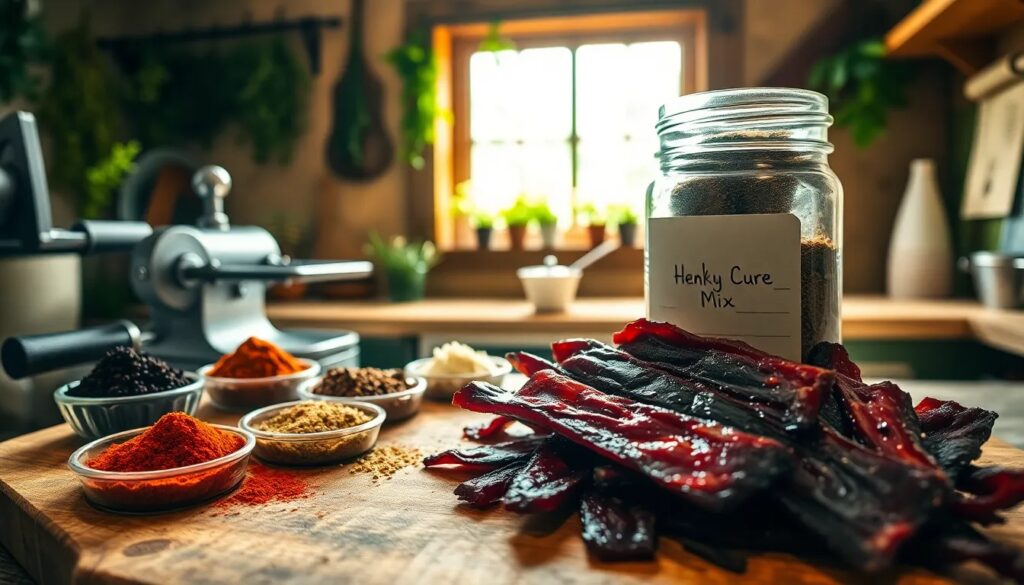
Making your own jerky can be a rewarding culinary adventure, allowing you to customize flavors and textures to your liking. Whether you prefer beef, turkey, or even vegan alternatives, understanding the curing and seasoning process is essential for achieving that perfect bite.
In this comprehensive Jerky cure & seasoning guide, we will explore various curing agents and seasoning blends that elevate your jerky game. From traditional recipes to innovative flavor combinations, you'll find everything you need to get started on your jerky-making journey.
Table of Contents
- The Ultimate Guide to Jerky Cure: Essential Tips for Flavorful Results
- Top Jerky Seasoning Blends: Elevate Your Homemade Jerky
- Understanding Jerky Cure: Ingredients and Their Importance
- How to Choose the Right Jerky Seasoning for Your Meat
- Homemade Jerky Cure Recipes: Crafting Unique Flavors
- Common Mistakes in Jerky Seasoning and How to Avoid Them
The Ultimate Guide to Jerky Cure: Essential Tips for Flavorful Results
To achieve the best results when making jerky, understanding the curing process is paramount. A proper jerky cure not only enhances flavor but also acts as a preservative, ensuring your jerky remains safe to eat. Key components of a successful cure include salt, sugar, and nitrates, which work together to inhibit bacterial growth. Consider the following essential tips:
- Choose high-quality ingredients for optimal flavor.
- Follow precise measurements for curing agents to ensure safety.
- Allow adequate marination time for maximum flavor infusion.
When it comes to seasoning, the right blend can turn simple meat into a flavorful masterpiece. Utilizing hi mountain jerky seasoning instructions or backwoods jerky seasoning instructions can provide a solid foundation. Exploring various spices such as garlic powder, onion powder, and red pepper flakes can create unique taste profiles suited to your palate. Don't hesitate to experiment with:
- Sweet and spicy combinations like honey and cayenne.
- Herb-infused blends using rosemary and thyme.
- Smoky flavors by adding smoked paprika or liquid smoke.
Understanding the mixing ratios can significantly influence your jerky's flavor. For instance, using a hi mountain seasonings mixing chart can be beneficial for precise measurements. Here’s a simple comparison of common seasoning elements:
| Ingredient | Amount for 5 lbs of Meat |
|---|---|
| Salt | 2 tablespoons |
| Sugar | 1 tablespoon |
| Black Pepper | 1 teaspoon |
Incorporating these jerky cure and seasoning instructions into your jerky-making process can lead to delicious results. Remember to keep notes on your flavor experiments, allowing you to refine your recipes over time. With practice and creativity, you’ll soon have a selection of mouthwatering jerky that will impress family and friends alike!
Top Jerky Seasoning Blends: Elevate Your Homemade Jerky
When it comes to enhancing the flavor of your homemade jerky, choosing the right seasoning blend is crucial. Popular options include the Backwoods Jerky Seasoning and the Hi Mountain Jerky Seasoning, both of which offer a variety of flavors to suit different tastes. These blends typically contain a mix of spices, sugars, and curing agents, providing a solid foundation for your jerky. Experimenting with these blends can result in a deliciously unique profile that elevates your jerky to new heights.
For those venturing into more adventurous flavors, consider creating your own custom seasoning mix. A simple combination of garlic powder, onion powder, and smoked paprika can deliver a robust taste. Additionally, incorporating elements such as honey for sweetness or cayenne for heat can personalize your jerky experience. Don't forget to check the Hi Mountain jerky instructions for tips on the right proportions and marination times to achieve the best flavor infusion.
Moreover, understanding how to balance flavors is essential. Using a Hi Mountain seasonings mixing chart can help you determine the ideal ratios of spices and curing agents for your specific meat type. For example, combining different ingredients can yield delightful results, such as:
- A zesty citrus blend with orange zest and lemon pepper.
- A savory umami mix featuring soy sauce and Worcestershire sauce.
- A fiery kick by adding red pepper flakes and chili powder.
Ultimately, the right jerky seasoning not only enhances taste but also showcases your creativity. By following these jerky cure and seasoning instructions and making notes of your experiments, you can refine your recipes over time. Before long, you'll be crafting an array of mouthwatering jerky that’s sure to impress everyone!
Understanding Jerky Cure: Ingredients and Their Importance
Understanding jerky cure is crucial for producing high-quality jerky that is both flavorful and safe to consume. The primary ingredients in a jerky cure typically include salt, sugar, and nitrates, each serving a specific purpose. Salt enhances flavor and acts as a preservative, while sugar helps balance the saltiness and contributes to the overall texture. Nitrates, often found in curing salts, inhibit bacterial growth and extend shelf life, making them essential for safe jerky preparation.
When selecting your curing agents, consider the following key points:
- Opt for high-quality curing salts to ensure safety and flavor.
- Balance your ingredients to create a well-rounded taste profile.
- Experiment with natural alternatives, such as honey or maple syrup, for a unique twist.
Following the right jerky cure and seasoning instructions can make all the difference in your final product. Utilizing resources like the hi mountain jerky instructions or backwoods jerky seasoning instructions can guide you in creating a perfect blend. Additionally, keeping track of the marination time can enhance the infusion of flavors, making each batch uniquely satisfying.
To visualize the impact of different curing agents, consider the following comparison of common ingredients and their roles in jerky making:
| Ingredient | Function |
|---|---|
| Salt | Flavor enhancement and preservation |
| Sugar | Flavor balance and moisture retention |
| Nitrates | Safe preservation and color retention |
By mastering these foundational aspects of jerky curing, you’ll be well on your way to creating delicious jerky that showcases your culinary skills. Don’t hesitate to explore various seasoning options and adjust your jerky cure and seasoning recipe to suit your personal taste preferences.
How to Choose the Right Jerky Seasoning for Your Meat
Choosing the right jerky seasoning for your meat can significantly impact the final flavor. Start by considering the type of meat you are using, as different meats pair well with various seasoning profiles. For example, beef can handle bold seasonings, while turkey might benefit from a lighter touch. Using Hi Mountain jerky seasoning instructions can help you select the best blend for your specific meat type.
When exploring seasoning options, think about the flavor characteristics you want to highlight. A blend that includes garlic powder, onion powder, and a hint of smoked paprika can create a savory base. If you prefer a sweeter profile, consider adding honey or brown sugar to balance the saltiness. Don't forget to utilize the Hi Mountain seasonings mixing chart to get the proportions just right, ensuring a well-rounded taste experience.
It's essential to experiment with different combinations to find your signature flavor. Popular choices can include spicy, smoky, or even sweet profiles. You might try:
- A sweet and spicy blend with cayenne and maple syrup.
- A smoky mix featuring liquid smoke and black pepper.
- An herbaceous option with thyme and rosemary for a fresh taste.
Finally, keep track of your seasoning experiments in a dedicated journal. This will allow you to refine your jerky cure and seasoning recipe over time, ultimately leading to the perfect jerky. Incorporating precise jerky cure and seasoning instructions ensures that each batch you make is consistently delicious and tailored to your preferences.
Homemade Jerky Cure Recipes: Crafting Unique Flavors
When crafting unique flavors for homemade jerky, experimenting with different jerky cure and seasoning recipes can lead to delightful discoveries. Start by blending traditional spices with unexpected ingredients like citrus zest or even coffee grounds. A simple yet effective recipe could include a base of salt and sugar, enhanced by garlic powder, black pepper, and a splash of soy sauce. This combination can provide a savory depth that complements meats like beef and venison beautifully.
For those seeking to personalize their jerky further, consider utilizing resources like the Hi Mountain jerky seasoning instructions or the Nesco jerky seasoning instructions. These guides offer structured approaches to creating flavorful blends tailored to your taste. Additionally, experimenting with sweeteners—such as agave syrup or brown sugar—can create a caramelized crust on your jerky, elevating the overall flavor profile.
Incorporating diverse spices can make your jerky stand out. For instance, combining smoked paprika with cayenne pepper can add a spicy smokiness, while herbs like oregano or thyme can infuse a Mediterranean flair. Utilizing a hi mountain seasonings mixing chart can help ensure you're using the right proportions, making it easier to replicate your favorite flavors in future batches.
Ultimately, the journey of creating unique jerky flavors is about balance and creativity. Keeping a detailed log of your experiments will allow you to refine your **jerky cure and seasoning recipe** over time, ensuring each batch is better than the last. By embracing both classic and unconventional ingredients, you can craft jerky that not only satisfies your cravings but also impresses your friends and family.
Common Mistakes in Jerky Seasoning and How to Avoid Them
One common mistake when seasoning jerky is not adequately balancing the flavors. Many enthusiasts may either over-season or under-season their meat, resulting in a disappointing taste. To avoid this, it’s vital to follow established guidelines, such as the hi mountain jerky seasoning instructions, which provide recommended proportions for spices. Remember that a well-balanced blend enhances the flavor profile, ensuring each bite is delicious.
Another frequent error is insufficient marination time, which can lead to bland jerky. Each type of meat has different absorption rates; thus, allowing enough time for the marinade to penetrate is essential. A general rule is to marinate for at least 12-24 hours, depending on the thickness of the meat. Keeping track of marination times and referring to jerky cure and seasoning instructions can help perfect your technique.
Additionally, many novice jerky makers overlook the importance of testing seasonings in small batches. This can result in wasted ingredients and time if a flavor combination doesn't work out. Start by preparing a small sample using diverse spices, as indicated in the hi mountain seasonings mixing chart. This way, you can fine-tune your seasoning blend before committing to a larger batch.
Lastly, failing to consider the type of meat when selecting seasoning can lead to unappealing results. Different meats, such as beef, turkey, or venison, have unique flavor profiles and textures that pair better with specific seasonings. For example, a sweet and spicy blend may work well with beef, while a lighter herb mix might suit turkey better. Always refer to general guidelines in various jerky cure and seasoning recipes to make informed choices for your meat type.
If you want to know other articles similar to Jerky cure & seasoning guide you can visit the category Seasoning & Marinades.


More embers