

Cast iron cookware seasoning made easy
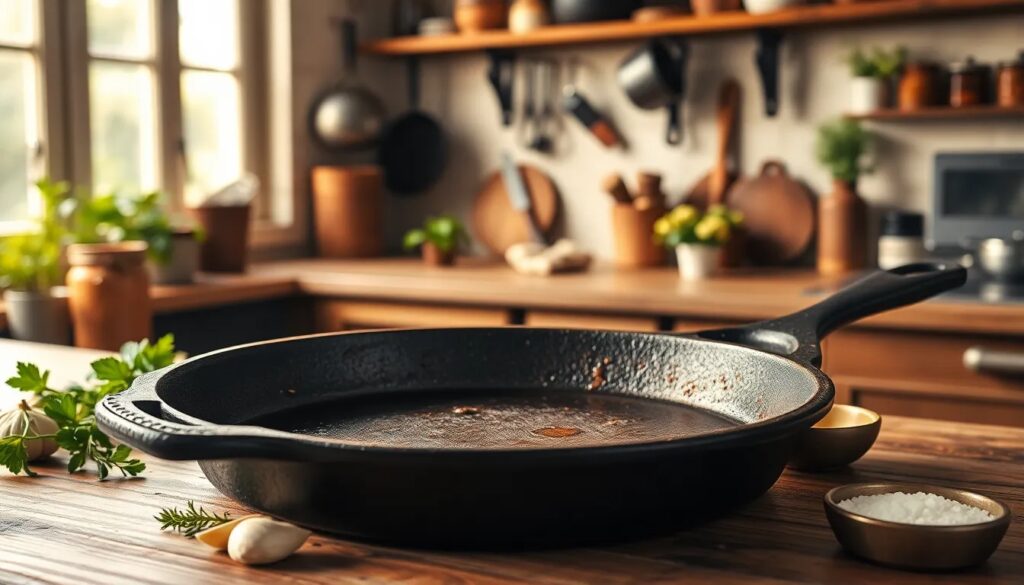
Seasoning cast iron cookware is an essential part of maintaining its quality and longevity. Proper seasoning not only provides a nonstick surface but also protects the cookware from rust and enhances its cooking performance.
This article will delve into various techniques and tips for cast iron cookware seasoning, ensuring your skillets and pots are well-prepared for many delicious meals to come.
Table of Contents
- How to season a cast iron skillet for the first time
- How to season cast iron without oven?
- What is the best cast iron cookware seasoning?
- How to season a rusty cast iron skillet?
- What is the best oil for seasoning cast iron?
- What temperature to season cast iron?
- How to season a cast iron skillet on the stove?
- Related questions about cast iron cookware seasoning
How to season a cast iron skillet for the first time
Seasoning a cast iron skillet for the first time is a straightforward process. Begin by cleaning the skillet thoroughly with hot, soapy water and a scrub brush to remove any factory coating or residue.
Once cleaned, dry the skillet completely with a towel or by placing it on low heat for a few minutes. Next, apply a thin layer of a suitable oil, such as flaxseed or vegetable oil, making sure to cover the entire surface, including the handle.
Finally, place the skillet upside down in an oven preheated to 450°F (232°C). This high temperature allows the oil to polymerize, creating a durable nonstick layer. Bake for one hour, then turn off the oven and let the skillet cool inside.
How to season cast iron without oven?
If you don’t have access to an oven, you can still season your cast iron cookware on the stovetop. Start by cleaning the skillet as described earlier.
After drying, apply a thin layer of oil to the skillet and heat it on medium heat for around 10-15 minutes. This process will help the oil to bond with the surface of the iron, much like in the oven method.
- Ensure proper ventilation while heating to avoid smoke buildup.
- Use a paper towel to wipe off excess oil after heating.
- Repeat this process several times for optimal seasoning.
What is the best cast iron cookware seasoning?
The best seasoning for cast iron cookware typically involves using oils with high smoke points. Some popular options include:
- Flaxseed oil
- Canola oil
- Grapeseed oil
- Vegetable oil
These oils are ideal because they create a hard, protective coating when heated. Flaxseed oil is often favored among enthusiasts due to its ability to form a strong, durable layer.
How to season a rusty cast iron skillet?
Restoring a rusty cast iron skillet involves more steps compared to standard seasoning. Start by removing the rust using a combination of steel wool and a rust remover or vinegar.
Once the rust is eliminated, wash and dry the skillet thoroughly. Then, follow the standard seasoning process: apply oil and bake it in the oven.
Consider repeating the seasoning process several times to build up a robust protective layer that will prevent future rust.
What is the best oil for seasoning cast iron?
Choosing the right oil is crucial for effective seasoning. Oils with high smoke points are preferable as they can withstand higher temperatures without burning.
Flaxseed oil is often considered the best option for its ability to create a hard, durable surface. However, if you are looking for a more readily available option, vegetable oil or canola oil work well too.
Experiment with different oils to find the one that suits your cooking style and preferences best.
What temperature to season cast iron?
For effective seasoning, a temperature of 450°F (232°C) is typically recommended. This temperature allows the oil to polymerize efficiently, forming a strong bond with the cast iron.
Keep in mind that if you opt for flaxseed oil, some enthusiasts suggest a higher temperature for optimal results. Always ensure the seasoning process is done in a well-ventilated area to avoid smoke accumulation.
How to season a cast iron skillet on the stove?
To season a cast iron skillet on the stove, follow these simple steps:
- Clean and dry your skillet thoroughly.
- Apply a thin coat of oil over the entire surface.
- Heat the skillet on low to medium heat for about 10-15 minutes.
- Let it cool, then wipe off any excess oil.
This stovetop method is quick and effective, allowing you to season your skillet without needing an oven. Repeating this process occasionally helps maintain the nonstick surface of your cookware.
For those looking to explore visual guides, check out this helpful video on seasoning cast iron cookware:
What is the best way to season your cast iron skillet?
The best way to season your cast iron skillet involves a few critical steps. Start with a clean skillet, removing any old seasoning or rust. Then, apply a thin layer of a suitable oil and heat the skillet to the proper temperature, typically around 450°F (232°C), in the oven. This method allows the oil to bond effectively with the cast iron.
It is also essential to repeat this process multiple times, especially for new skillets or those that have not been maintained properly. Maintaining a well-seasoned skillet enhances its nonstick properties and longevity.
What is the best oil to season cast iron?
The best oils for seasoning cast iron include flaxseed oil, canola oil, and grapeseed oil, which all have high smoke points. These oils help form a durable coating. Flaxseed oil is particularly praised for its ability to create a hard surface, while canola oil is a more accessible option for everyday use.
Choosing oils based on availability and preference can lead to successful seasoning of your cast iron cookware.
Should I season cast iron at 350 or 450?
Seasoning cast iron is best done at 450°F (232°C) because this higher temperature allows the oil to polymerize effectively, creating a strong protective layer. While some may consider seasoning at 350°F (177°C), it may not yield the same durable results.
Always ensure that your cooking area is well-ventilated when seasoning at higher temperatures to prevent smoke buildup.
Do you oil a cast iron skillet every time?
It is not necessary to oil a cast iron skillet every time you use it. However, applying a light coat of oil after cleaning can help maintain its seasoning and prevent rust. This practice is especially important after cooking acidic foods, as they can strip the seasoning.
Regular maintenance, including cleaning and occasional re-seasoning, will help ensure that your skillet remains in optimal condition for years to come.
If you want to know other articles similar to Cast iron cookware seasoning made easy you can visit the category Seasoning & Marinades.


More embers