

Traeger brisket guide
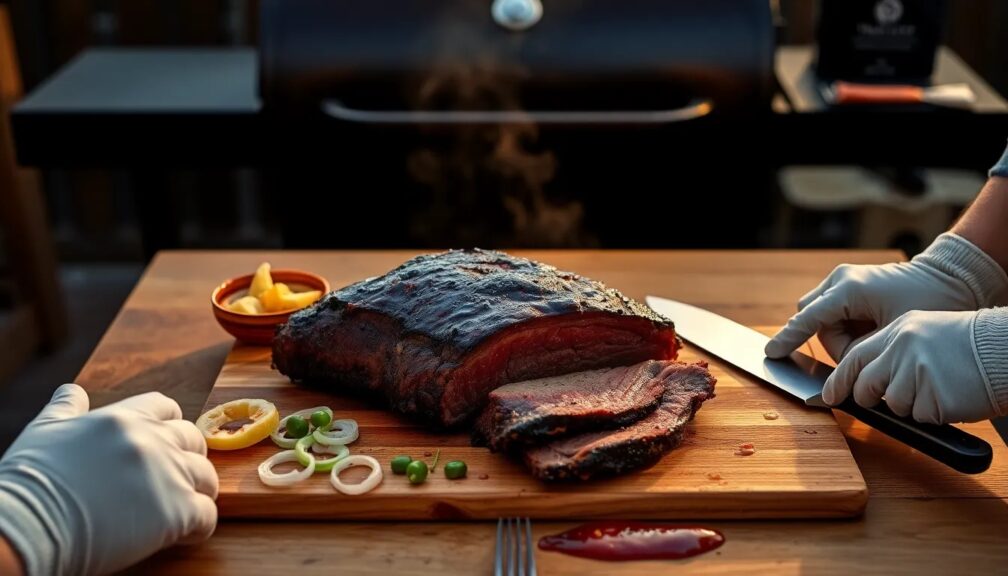
When it comes to smoking the perfect brisket, mastering the art of temperature control and seasoning is essential. A well-cooked brisket can be the centerpiece of any barbecue gathering, impressing friends and family alike. In this guide, we'll explore the nuances of preparing and smoking brisket using a Traeger grill.
Whether you are a seasoned pitmaster or a beginner looking to enhance your grilling skills, our comprehensive Traeger brisket guide will provide you with all the tips and techniques needed to achieve mouthwatering results every time. From selecting the right cut of meat to determining the ideal smoking time, we've got you covered.
Table of Contents
- Understanding the Basics of Cooking Brisket on a Traeger Grill
- Tips for Choosing the Best Brisket for Traeger Smoking
- A Step-by-Step Guide to Preparing Your Traeger Brisket
- How to Achieve Perfect Smoke Flavor When Cooking Brisket on a Traeger
- Troubleshooting Common Traeger Brisket Cooking Issues
- Essential Traeger Accessories for Cooking Perfect Brisket
Understanding the Basics of Cooking Brisket on a Traeger Grill
Cooking brisket on a Traeger grill requires a solid understanding of the fundamental principles involved. The key to achieving a flavorful and tender brisket lies in the low and slow cooking method that Traeger grills excel at. Utilizing indirect heat and smoke, these grills create a perfect environment for breaking down tough connective tissues in the meat while infusing it with rich flavors.
To get started with your Traeger brisket, it's important to choose the right cut. The most popular options include the flat and the point. Each cut offers a unique texture and flavor profile, making your choice critical. Here’s a quick comparison:
| Cut | Flavor | Texture |
|---|---|---|
| Flat | Lean and mild | More uniform |
| Point | Rich and fatty | Juicy and tender |
Once you've selected your cut, the next step is seasoning. A simple rub of salt, pepper, and your favorite spices can elevate the flavor immensely. Remember to apply the rub generously and allow the brisket to rest for a few hours, or even overnight, to let the flavors penetrate the meat. Finally, monitor the internal temperature closely, as this will ensure your Traeger brisket comes out perfectly cooked every time.
Tips for Choosing the Best Brisket for Traeger Smoking
Choosing the best brisket for your Traeger smoking experience is crucial for achieving delicious results. Start by looking for a brisket with a good amount of marbling, as the fat will render during the cooking process, keeping the meat moist and flavorful. Opt for USDA Choice or Prime grades for the best quality, as these cuts have better fat distribution compared to lower grades.
When selecting your brisket, consider the size based on your needs. A whole packer brisket typically weighs between 10 to 20 pounds, making it ideal for larger gatherings. If you're cooking for a smaller group, a flat cut may suffice. Remember that smaller cuts will require less cooking time and can still yield impressive results on a Traeger.
Another tip is to pay attention to the shape of the brisket. Look for a brisket that is thick and has a uniform shape, which ensures even cooking. Avoid cuts that taper off too much at one end, as they can cook unevenly and lead to dry portions. Also, check for a nice fat cap on one side, as this will protect the meat during the long cooking process and enhance the flavor.
Lastly, consider purchasing your brisket from a reputable butcher or specialty meat shop. They can provide valuable insights into the best cuts available and help you select the perfect brisket for your Traeger smoking adventure. With these tips in mind, you’re well on your way to creating an unforgettable Traeger brisket that will leave your guests wanting more.
A Step-by-Step Guide to Preparing Your Traeger Brisket
Once your brisket is seasoned, it's time to prepare your Traeger grill for smoking. Preheat your grill to a steady temperature of 225°F to 250°F, allowing the wood pellets to ignite and create a consistent smoke. This low and slow method is essential for breaking down the connective tissue in the meat and achieving that coveted tenderness. Ensure your Traeger is equipped with high-quality pellets to enhance the flavor profile of your brisket.
For the actual cooking process, place the brisket fat side up on the grill grates. This positioning allows the fat to render down into the meat, keeping it moist during the cooking process. It's also crucial to monitor the internal temperature of your brisket. Use a reliable meat thermometer to check for doneness; aim for an internal temperature of around 195°F to 205°F for optimal tenderness. Here's a quick reference for cooking times:
- For a 10-pound brisket: Approximately 10-12 hours
- For a 15-pound brisket: Approximately 12-15 hours
- For a 20-pound brisket: Approximately 15-18 hours
After reaching the desired temperature, allow your Traeger brisket to rest for at least one hour before slicing. This resting period is crucial as it lets the juices redistribute throughout the meat, resulting in a more flavorful and juicy brisket. When you're ready to serve, slice against the grain for the best texture and enjoy the tender, smoky goodness of your perfectly prepared Traeger brisket!
How to Achieve Perfect Smoke Flavor When Cooking Brisket on a Traeger
Achieving the perfect smoke flavor when cooking brisket on a Traeger involves selecting the right wood pellets and managing the smoke density throughout the cooking process. Hickory and mesquite are popular choices for brisket, as they impart a robust flavor that complements the meat's natural richness. Always ensure your grill is well-ventilated to prevent overly thick smoke, which can lead to a bitter taste. Instead, aim for a clear, thin smoke that gently envelops the brisket.
Another essential factor is the timing of smoke application. You can wrap your brisket in butcher paper or foil after the first few hours of smoking to retain moisture while allowing the meat to continue cooking. This technique, known as the Texas Crutch, helps maintain a balanced smoke flavor without overwhelming the brisket. Remember to monitor the internal temperature closely, as this affects how smoke interacts with the meat.
Temperature control is also a critical component in achieving that perfect smoke flavor. Maintaining a steady temperature between 225°F and 250°F ensures the brisket cooks evenly, allowing ample time for the smoke to penetrate the meat. If your Traeger has a meat probe option, use it to keep track of the internal temperature without frequently opening the grill, which can disrupt the cooking environment.
Finally, let your Traeger brisket rest after cooking to allow the flavors to meld. This resting period is crucial for redistributing the juices and enhancing the overall flavor profile. Once rested, slice against the grain to preserve tenderness and enjoy the smoky, melt-in-your-mouth experience that only a well-cooked Traeger brisket can deliver.
Troubleshooting Common Traeger Brisket Cooking Issues
Troubleshooting common issues when cooking a Traeger brisket can significantly enhance your barbecue experience. One frequent problem is the brisket not reaching the desired tenderness. This often results from inadequate cooking time or temperature. To avoid this, always ensure you maintain an internal temperature of 195°F to 205°F for optimal tenderness. Remember, patience is key; the low-and-slow method works best when you give the meat ample time to break down the connective tissues.
Another common issue is the brisket drying out during the cooking process. To combat this, make sure to monitor the moisture levels in your Traeger. Using a water pan or wrapping the brisket in butcher paper after the first few hours can help retain moisture. Additionally, consider checking your wood pellet supply; running low can lead to temperature fluctuations and affect moisture retention in your Traeger brisket.
Uneven cooking can also plague your brisket, leading to dry edges and undercooked centers. To ensure even cooking, try rotating the brisket halfway through the cooking time. This will help achieve a consistent smoke application across the entire surface. Additionally, placing the brisket fat side up allows the rendered fat to baste the meat as it cooks, improving overall moisture distribution.
Lastly, if you notice an overly bitter taste, check the density of the smoke. Thick, white smoke can impart a harsh flavor to your brisket. Aim for a thin, blue smoke instead, which indicates clean combustion. Ensuring proper ventilation in your Traeger will help maintain the right smoke quality, allowing your brisket to shine with the perfect balance of smoky flavor.
Essential Traeger Accessories for Cooking Perfect Brisket
To elevate your Traeger brisket cooking experience, having the right accessories can make all the difference. One essential tool is a reliable meat thermometer. This device allows you to accurately monitor the internal temperature of your brisket, ensuring it reaches that perfect range of 195°F to 205°F for optimal tenderness. Additionally, consider investing in a high-quality barbecue rub shaker to evenly apply your seasoning, which enhances the flavor profile of the meat.
Another must-have accessory for smoking brisket on a Traeger is a sturdy spritz bottle. Using a mixture of broth or apple juice, you can periodically spritz the brisket to maintain moisture during the cooking process. This helps prevent drying out and allows the meat to absorb flavors more effectively. Furthermore, having a pellet storage container ensures your wood pellets are kept dry and accessible, allowing for a smooth cooking experience without interruptions.
When it comes to convenience, a quality grill mat can be invaluable. It protects your cooking surface from drippings and makes cleanup a breeze. For those looking to take their Traeger brisket to the next level, a smoke tube can be beneficial for adding extra smoke flavor. Simply fill it with wood pellets, light it, and place it on the grill to create a consistent smoke output throughout the cooking process.
Finally, don’t overlook the importance of a cutting board and a sharp carving knife. A solid cutting board provides a stable surface for slicing your brisket, while a sharp knife ensures clean cuts, maintaining the integrity of the meat fibers. Investing in these essential Traeger accessories will not only enhance your cooking but also help you achieve that delicious and tender Traeger brisket that everyone will rave about.
If you want to know other articles similar to Traeger brisket guide you can visit the category BBQ Food and Recipes.


More embers