
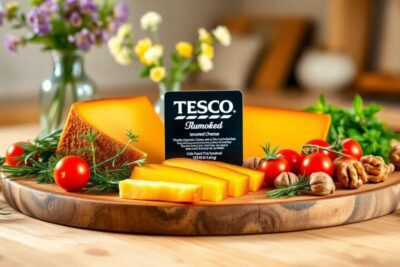
Is smoked cheese healthy?

Is smoked cheese healthy? This question has garnered significant attention as more people become interested in the health implications of their dietary choices. Smoked cheese, known for its rich flavor and unique aroma, is often enjoyed in various culinary applications. However, understanding its nutritional value and potential risks is crucial for making informed decisions about its consumption.
Smoked cheese can be a tasty addition to meals, but assessing its health benefits and drawbacks is essential. This article delves into various aspects of smoked cheese, including its nutritional benefits, health risks, and alternatives, to provide a comprehensive overview.
Table of Contents
- What are the nutritional benefits of smoked cheese?
- How does smoking affect the health risks of cheese?
- Are there carcinogenic compounds in smoked cheese?
- What are the alternatives to traditional smoked cheese?
- Should you limit your consumption of smoked cheese?
- What do studies say about smoked cheese and health risks?
- Related questions about the health implications of smoked cheese
What are the nutritional benefits of smoked cheese?
Smoked cheese offers a variety of nutritional benefits that can contribute to a balanced diet. It is typically a good source of protein, calcium, and essential vitamins. Some key points about its nutritional profile include:
- High in protein: Smoked cheese contains a substantial amount of protein, which is vital for muscle growth and repair.
- Rich in calcium: Calcium is essential for maintaining strong bones and teeth, making smoked cheese a beneficial option for those looking to increase their calcium intake.
- Vitamins: Smoked cheese is often rich in vitamins A and B12, which play crucial roles in maintaining vision and nerve function.
While these nutritional benefits are appealing, it is essential to consider moderation in consumption. The smoking process may introduce additional compounds that can affect health.
How does smoking affect the health risks of cheese?
The smoking process can significantly impact the health risks associated with cheese. Although it enhances flavor, it may also introduce potentially harmful substances. Some of the primary concerns include:
1. Polycyclic Aromatic Hydrocarbons (PAHs): The smoking process generates PAHs, specifically benzo[a]pyrene, which are known carcinogens. While the levels vary, long-term exposure may pose health risks.
2. Sodium content: Smoked cheese often contains higher sodium levels due to the curing process, which can contribute to hypertension if consumed in excess.
3. Quality of ingredients: The health impact can also depend on the quality and type of cheese used in the smoking process. Some cheeses may be more prone to retain harmful compounds than others.
Understanding these risks allows consumers to make informed choices about including smoked cheese in their diets.
Are there carcinogenic compounds in smoked cheese?
Yes, smoked cheese can contain carcinogenic compounds. The smoking process generates substances like PAHs, which have been linked to cancer development. It's important to note that not all smoked cheeses contain the same levels of these compounds, but the presence of benzo[a]pyrene is a significant concern.
Additionally, regular consumption of smoked foods has been associated with certain health risks, including an increased risk of colorectal cancer. However, moderation is key. Occasional enjoyment of smoked cheese is unlikely to pose significant health risks for most individuals.
What are the alternatives to traditional smoked cheese?
For those concerned about the health implications of smoked cheese, there are several alternatives available that can provide similar flavor profiles without the associated risks. Some options include:
- Liquid smoke: This is a concentrated form of smoke flavoring that can be added to dishes without the harmful PAHs associated with traditional smoking.
- Smoked Gouda alternatives: Some cheeses are naturally aged or flavored to provide a smoky taste without undergoing the smoking process.
- Herb-infused cheeses: Cheeses infused with herbs like rosemary or thyme can mimic the depth of flavor found in smoked varieties without the health risks.
Exploring these alternatives can allow cheese lovers to enjoy similar flavors while being mindful of their health.
Should you limit your consumption of smoked cheese?
Limiting the consumption of smoked cheese is advisable for several reasons. While it can be a delicious treat, frequent consumption may expose individuals to higher levels of harmful compounds. It is particularly important for those with dietary restrictions or health concerns, such as hypertension or a history of cancer.
To maintain a balanced diet, consider the following tips:
1. Moderation is key: Enjoy smoked cheese in small portions as an occasional indulgence rather than a staple in your diet.
2. Pair wisely: Combine smoked cheese with fresh vegetables or whole grains to create a more balanced meal.
3. Stay informed: Keep up-to-date with research related to smoked foods and health to make well-informed dietary choices.
By being mindful of consumption patterns, individuals can enjoy smoked cheese while minimizing potential risks.
What do studies say about smoked cheese and health risks?
Studies investigating the health risks associated with smoked cheese highlight the potential dangers of frequent consumption. Research has indicated that:
- Increased cancer risks: Some studies have linked the intake of smoked foods, including smoked cheese, to higher incidences of certain cancers, particularly colorectal cancer.
- Presence of PAHs: Investigations have shown that smoked cheese can contain varying levels of PAHs, contributing to concerns about long-term health impacts.
- Safety standards: While established safety standards exist, variations among different cheeses and smoking methods can lead to differing levels of risk.
It is crucial to remain informed about these findings and consider them when making dietary choices.
Are smoked cheeses bad for you?
Smoked cheeses can be enjoyed, but they may pose health risks if consumed excessively. The presence of carcinogenic compounds, such as PAHs, raises concerns about their long-term effects. Moderation and awareness of one’s overall diet can help balance enjoyment and health.
Is smoked cheese real cheese?
Yes, smoked cheese is considered real cheese. The smoking process adds flavor to various types of cheese, enhancing their taste profile. However, the health implications of smoking should be considered when consuming these products.
Why is smoked cheese so good?
The appealing taste of smoked cheese comes from the unique flavor profiles developed during the smoking process. The combination of creaminess and smokiness creates a delightful taste that enhances various dishes, making it a popular choice among cheese lovers.
Why is smoked food unhealthy?
Smoked foods, including cheese, can be unhealthy due to the formation of harmful compounds during the smoking process, such as PAHs. These substances have been linked to various health issues, including cancer. Therefore, it's vital to consume smoked foods in moderation.
If you want to know other articles similar to Is smoked cheese healthy? you can visit the category Smoked Cheese.


More embers