
Salmon temperature guide for perfect cooking
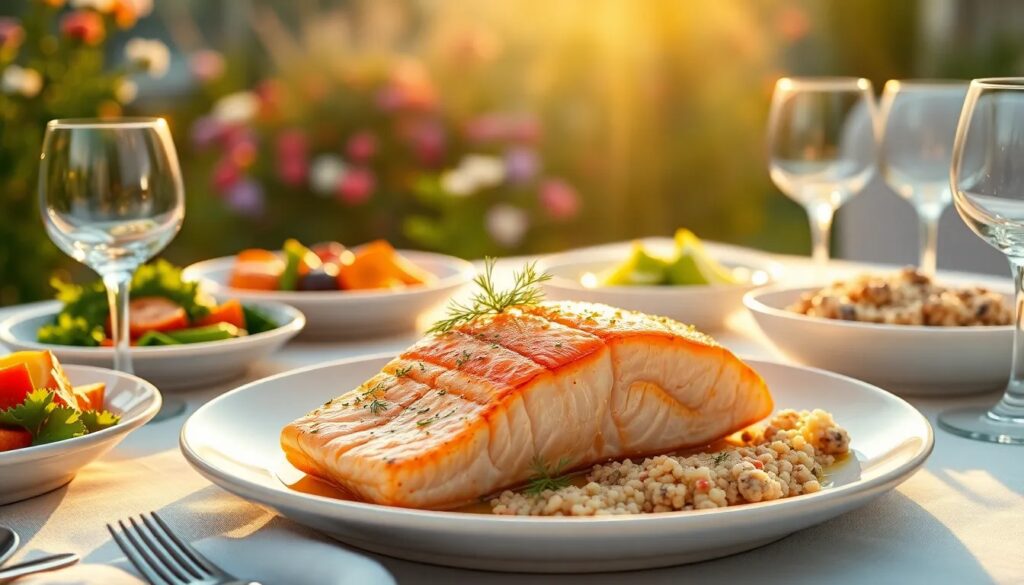
Cooking salmon to the right temperature is crucial for achieving the best flavor and texture. Whether you're grilling, baking, or pan-searing, understanding the salmon temperature is key to preparing a delicious meal.
This guide will walk you through the various temperature guidelines and methods for cooking salmon, ensuring you get it just right every time.
Index
- What is the proper temperature for cooking salmon?
- How to achieve the perfect salmon temperature?
- What are the recommended salmon cooking temperatures?
- How to avoid overcooking salmon?
- What is the ideal internal temperature for salmon?
- How long should you cook salmon at different temperatures?
- What are the best cooking methods for salmon?
- Questions related to salmon cooking temperatures
What is the proper temperature for cooking salmon?
The USDA recommends cooking salmon to an internal temperature of 145°F (63°C) for safety and optimal quality. At this temperature, the fish is moist, buttery, and flaky. However, many chefs and home cooks enjoy salmon cooked to a lower temperature for a different texture and flavor profile.
For a medium-rare finish, you might target a temperature of around 125°F (52°C). This allows the fish to maintain its moistness and provide a more tender bite. It’s essential to use a reliable food thermometer to ensure accuracy.
 Smoked pork shoulder
When cooking salmon, remember that the fish will continue to cook slightly after it’s removed from the heat, known as carryover cooking. Therefore, it’s wise to pull it off the heat a few degrees before it reaches the desired temperature.
How to achieve the perfect salmon temperature?
Achieving the perfect salmon temperature involves several techniques. Firstly, ensure you have a good-quality meat thermometer. This is the most effective way to check the internal temperature accurately.
Another method is to observe the color and texture of the salmon as it cooks. Salmon will change from a translucent, raw appearance to an opaque, flaky texture as it cooks. A general guideline is to cook it for about 10 minutes per inch of thickness at a moderate temperature.
- Use a thermometer to avoid guesswork.
- Take note of the salmon's color change as it cooks.
- Rest the fish for a few minutes after cooking.
What are the recommended salmon cooking temperatures?
Here’s a quick guide to salmon cooking temperatures based on desired doneness:
Smoked pork shoulder How to spatchcock a turkey
- Rare: 120°F - 125°F (49°C - 52°C)
- Medium-rare: 125°F - 130°F (52°C - 54°C)
- Medium: 130°F - 135°F (54°C - 57°C)
- Medium-well: 135°F - 140°F (57°C - 60°C)
- Well done: 145°F (63°C) and above
Each level of doneness offers a different texture and taste experience. While many people prefer their salmon cooked medium-rare, it’s essential to ensure the fish is sushi-grade if you choose to cook it to a lower temperature.
How to avoid overcooking salmon?
Overcooking salmon is a common mistake that can lead to dry, tough fish. To avoid this, closely monitor the cooking process. Remember that salmon will continue to cook after being removed from heat, so it is best to take it off slightly before it reaches the target temperature.
Another tip is to marinate the salmon beforehand, which can help keep it moist. Additionally, cooking methods such as wrapping the salmon in foil or using a grill basket can help maintain moisture.
- Use a thermometer to check doneness.
- Remove from heat early to prevent carryover cooking.
- Consider marinating to enhance moisture and flavor.
What is the ideal internal temperature for salmon?
The ideal internal temperature for salmon largely depends on personal preference. The USDA's recommendation is 145°F for safety. However, many chefs prefer salmon that is medium-rare, cooked to around 125°F.
Smoked pork shoulderHow to spatchcock a turkey Temp of salmon: the ideal internal temperature for perfect cooking
It's essential to balance Food safety with your taste preferences. If consuming raw or undercooked fish, ensure it is sushi-grade and sourced from a reliable supplier.
Ultimately, knowing the salmon temperature for your desired doneness will elevate your cooking skills and impress your guests.
How long should you cook salmon at different temperatures?
The cooking time for salmon can vary based on the cooking method and temperature used. Here are some general guidelines:
- Grilling: 4-6 minutes per side at medium-high heat.
- Baking: 15-20 minutes at 375°F (190°C).
- Poaching: 10-15 minutes in simmering water.
Always refer to thickness as a guide—thicker cuts will require more cooking time. Additionally, allowing the salmon to rest for a few minutes post-cooking can enhance its juiciness and flavor.
Smoked pork shoulderHow to spatchcock a turkeyTemp of salmon: the ideal internal temperature for perfect cooking Turkey cook time: a complete guide
What are the best cooking methods for salmon?
There are many delicious methods to cook salmon, each offering unique flavors and textures. Here are some popular methods:
- Grilling: Provides a smoky flavor and great char.
- Baking: A straightforward method that allows for gentle cooking.
- Pan-searing: Creates a crispy skin and rich flavor.
- Poaching: A gentle cooking method that keeps the salmon moist.
- Smoking: Adds a deep, rich flavor ideal for various dishes.
Choosing the right method can enhance the salmon's natural flavors while ensuring it is cooked to perfection. Experimenting with different techniques will help you discover your favorite way to enjoy this nutritious fish.
Is salmon 120 or 145?
Salmon can be safely cooked at both temperatures, depending on your preference. The USDA recommends an internal temperature of 145°F for safe consumption, ensuring that harmful bacteria are eliminated. However, many culinary experts and home cooks enjoy salmon cooked at 120°F for a more delicate, medium-rare texture. This lower temperature is best for sushi-grade salmon, which is fresh and safe for raw consumption.
Is 120 okay for salmon?
Cooking salmon to an internal temperature of 120°F is acceptable, particularly for high-quality, sushi-grade fish. This temperature yields a tender, moist piece of salmon; however, it is essential to ensure that the fish is sourced from a reliable supplier to minimize any health risks. Remember that cooking fish to a lower temperature may require careful handling to ensure food safety.
Smoked pork shoulderHow to spatchcock a turkeyTemp of salmon: the ideal internal temperature for perfect cookingTurkey cook time: a complete guide What time is it in Turkey?
Can you eat salmon at 135 degrees?
Yes, salmon cooked to an internal temperature of 135°F is safe to eat. This temperature is often preferred by many chefs as it provides a nice balance between safety and texture. It ensures the fish remains moist while still being cooked enough to eliminate harmful bacteria. Always use a thermometer to ensure accuracy and avoid overcooking.
What is the best temperature to eat salmon?
The ideal temperature for eating salmon depends on personal preference. Many enjoy it best at 125°F to 130°F for a medium-rare texture that’s flaky and moist. However, for those who prefer a firmer texture, cooking salmon to 145°F is recommended. Ultimately, the best temperature is the one that suits your taste while maintaining food safety.
If you want to know other articles similar to Salmon temperature guide for perfect cooking you can visit the category Seafood Recipes.
Smoked tuna dip without cream cheese

Smoked salmon crostini with dill cream cheese

Pasta with smoked salmon and cream cheese recipe
Deja una respuesta

Gestionar consentimiento
Funcional Siempre activo
El almacenamiento o acceso técnico es estrictamente necesario para el propósito legítimo de permitir el uso de un servicio específico explícitamente solicitado por el abonado o usuario, o con el único propósito de llevar a cabo la transmisión de una comunicación a través de una red de comunicaciones electrónicas.
Preferencias
El almacenamiento o acceso técnico es necesario para la finalidad legítima de almacenar preferencias no solicitadas por el abonado o usuario.
Estadísticas
El almacenamiento o acceso técnico que es utilizado exclusivamente con fines estadísticos. El almacenamiento o acceso técnico que se utiliza exclusivamente con fines estadísticos anónimos. Sin un requerimiento, el cumplimiento voluntario por parte de tu proveedor de servicios de Internet, o los registros adicionales de un tercero, la información almacenada o recuperada sólo para este propósito no se puede utilizar para identificarte.
Marketing
El almacenamiento o acceso técnico es necesario para crear perfiles de usuario para enviar publicidad, o para rastrear al usuario en una web o en varias web con fines de marketing similares.
More embers