
Internal temp for salmon: what you need to know
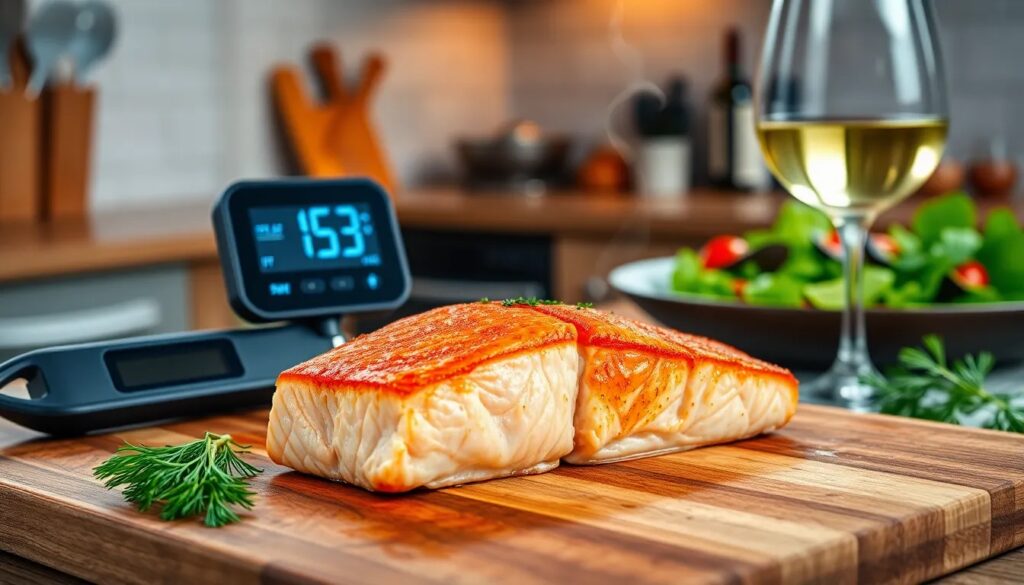
Salmon is a delicious and versatile fish that, when cooked properly, offers a buttery texture and rich flavor. Understanding the internal temp for salmon is essential for both safety and taste. Cooking salmon to the right temperature ensures that it remains moist and flavorful, avoiding the common pitfall of dryness.
In this article, we will explore the recommended internal temperatures, cooking methods, and essential tips for achieving the perfect doneness every time you cook salmon.
Index
- What is the recommended internal temp for salmon?
- How can you check the internal temperature of salmon?
- What are the best cooking temperatures for salmon?
- How long should you cook salmon at different temperatures?
- What is the ideal internal temp for medium-rare salmon?
- How does carryover heat affect the internal temp for salmon?
- Related questions about salmon cooking temperatures
What is the recommended internal temp for salmon?
The USDA recommends cooking salmon to an internal temperature of 145°F (63°C) for Food safety. However, many chefs suggest aiming for a lower temperature to retain moisture and flavor.
A common target for perfectly cooked salmon is between 120°F to 130°F (49°C to 54°C). At this range, salmon can maintain its tenderness and rich taste. Wild-caught salmon tends to be best at around 125°F (52°C) for a medium-rare finish, while farmed salmon, which has a higher fat content, can handle slightly higher temperatures.
 Internal temp of salmon: the key to perfect cooking
Cooking salmon to the correct internal temperature not only ensures safety but also enhances the overall dining experience. To determine the best internal temperature for your salmon, consider the following factors:
- Type of salmon: Wild vs. farmed
- Cooking method: Grilling, baking, or pan-searing
- Your personal preference for doneness
How can you check the internal temperature of salmon?
Checking the internal temp for salmon is crucial for achieving the desired doneness. Here are a few effective methods:
1. Using a food thermometer: This is the most reliable method. Insert the thermometer into the thickest part of the salmon, avoiding the bones to get an accurate reading.
2. Visual cues: While not as precise as a thermometer, observing the color and texture can help. Cooked salmon should be opaque and easily flake with a fork.
Internal temp of salmon: the key to perfect cooking Making glaze for ham: simple and delicious recipes
3. Touch test: Gently press the salmon with your finger or a fork. If it feels firm yet slightly springy, it’s likely cooked through.
Utilizing a thermometer is recommended for the most accurate results, ensuring that you meet the ideal internal temperature for salmon while also considering safety guidelines.
What are the best cooking temperatures for salmon?
When cooking salmon, various temperatures can yield different results in texture and flavor. Here are some ideal cooking temperatures to consider:
- Rare: 110°F to 115°F (43°C to 46°C) - Very soft and raw in the center.
- Medium-rare: 120°F to 125°F (49°C to 52°C) - Tender, juicy, and slightly translucent.
- Medium: 130°F to 135°F (54°C to 57°C) - Flaky but still moist.
- Medium-well: 140°F to 145°F (60°C to 63°C) - Fully cooked, firm texture.
- Well-done: Above 145°F (63°C) - Dry and flaky.
Internal temp of salmon: the key to perfect cookingMaking glaze for ham: simple and delicious recipes Salmon fish grill recipes
Choosing the right cooking temperature is key for achieving your desired doneness. Different cooking methods, such as grilling, baking, or pan-frying, may require adjustments to these temperatures.
For example, when grilling salmon, you might start with a higher heat to sear the outside and then lower it to finish cooking through. Adjusting temperatures can enhance both flavor and texture.
How long should you cook salmon at different temperatures?
The cooking time for salmon varies based on its thickness and the cooking method used. Here are some general guidelines:
- Grilling: Cook for about 6-8 minutes per side for a 1-inch thick fillet at medium heat.
- Baking: Bake in a preheated oven at 375°F (190°C) for 12-15 minutes for a 1-inch salmon fillet.
- Pan-frying: Cook for approximately 4-6 minutes per side over medium heat, depending on the thickness.
Internal temp of salmon: the key to perfect cookingMaking glaze for ham: simple and delicious recipesSalmon fish grill recipes Salmon grilled: the best techniques and tips
To ensure the best results, consider the following tips for salmon cooking times:
- Always check the internal temp for salmon with a thermometer.
- Adjust cooking times based on the thickness of the fillet.
- Let salmon rest after cooking to allow the carryover heat to finish cooking.
Cooking salmon to the right internal temperature is fundamental to enjoying its rich flavors and textures.
What is the ideal internal temp for medium-rare salmon?
For those who enjoy salmon cooked to a medium-rare doneness, the ideal internal temperature is between 120°F and 125°F (49°C to 52°C). This temperature range allows for a tender, buttery texture while retaining moisture.
Achieving this doneness level requires careful attention to cooking time and technique. Here are a few tips:
Internal temp of salmon: the key to perfect cookingMaking glaze for ham: simple and delicious recipesSalmon fish grill recipesSalmon grilled: the best techniques and tips Salmon recipes on the grill
- Utilize a quality thermometer to ensure accuracy.
- Keep an eye on the salmon as it cooks, looking for signs of doneness such as color change.
- Consider using methods like grilling or sous-vide to better control the cooking process.
Understanding the ideal internal temperature and how to achieve it will elevate your salmon dishes, enhancing both taste and texture.
How does carryover heat affect the internal temp for salmon?
Carryover heat refers to the phenomenon where food continues to cook for a short period after being removed from the heat source. This is particularly important when cooking salmon, as it can affect the final internal temperature.
When you remove salmon from the grill or oven, the residual heat can raise the internal temperature by an additional 5°F to 10°F (2°C to 5°C). Therefore, it is advisable to remove salmon from heat just before it reaches your desired temperature.
Internal temp of salmon: the key to perfect cookingMaking glaze for ham: simple and delicious recipesSalmon fish grill recipesSalmon grilled: the best techniques and tipsSalmon recipes on the grill Tastiest burgers to try at home
To maximize flavor and moisture retention:
- Allow salmon to rest for about 5 minutes after cooking.
- Monitor the internal temperature closely during cooking to avoid overcooking.
- Understand that factors like thickness and cooking method may influence the degree of carryover heat.
Being mindful of carryover heat will help you achieve the perfect internal temp for salmon and prevent it from becoming dry.
Is salmon safe to eat at 145 degrees?
Yes, salmon is safe to eat at 145°F (63°C) according to the USDA guidelines. However, many chefs recommend cooking it to a lower internal temperature, such as 120°F to 130°F (49°C to 54°C), for better texture and flavor. At these temperatures, salmon remains moist and tender while still being safe to consume.
Internal temp of salmon: the key to perfect cookingMaking glaze for ham: simple and delicious recipesSalmon fish grill recipesSalmon grilled: the best techniques and tipsSalmon recipes on the grillTastiest burgers to try at home Turkey brine for a perfect Thanksgiving turkey
Is 120 degree salmon safe?
Yes, salmon cooked to 120°F (49°C) is generally considered safe, especially when utilizing quality fish and proper cooking techniques. This temperature results in a medium-rare texture, which many chefs and food enthusiasts prefer for its rich flavor and tender consistency. Always ensure you source your salmon from reputable suppliers to minimize risks.
Is 120 okay for salmon?
Cooking salmon to 120°F (49°C) is acceptable, particularly for those who enjoy a medium-rare doneness. This temperature ensures that the fish remains moist and flavorful. However, it is essential to monitor the quality of the salmon and use proper cooking methods to maintain food safety.
Is salmon done at 135 degrees?
Yes, salmon cooked to an internal temperature of 135°F (57°C) is considered done and will yield a medium doneness. At this temperature, the fish is flakier while still retaining some moisture. It's a great balance for those who prefer a firmer texture without sacrificing flavor.
Internal temp of salmon: the key to perfect cookingMaking glaze for ham: simple and delicious recipesSalmon fish grill recipesSalmon grilled: the best techniques and tipsSalmon recipes on the grillTastiest burgers to try at homeTurkey brine for a perfect Thanksgiving turkey Worcestershire sauce alternatives you should try
If you want to know other articles similar to Internal temp for salmon: what you need to know you can visit the category Seafood Recipes.
Smoked tuna dip without cream cheese

Smoked salmon crostini with dill cream cheese

Pasta with smoked salmon and cream cheese recipe
Deja una respuesta

Gestionar consentimiento
Funcional Siempre activo
El almacenamiento o acceso técnico es estrictamente necesario para el propósito legítimo de permitir el uso de un servicio específico explícitamente solicitado por el abonado o usuario, o con el único propósito de llevar a cabo la transmisión de una comunicación a través de una red de comunicaciones electrónicas.
Preferencias
El almacenamiento o acceso técnico es necesario para la finalidad legítima de almacenar preferencias no solicitadas por el abonado o usuario.
Estadísticas
El almacenamiento o acceso técnico que es utilizado exclusivamente con fines estadísticos. El almacenamiento o acceso técnico que se utiliza exclusivamente con fines estadísticos anónimos. Sin un requerimiento, el cumplimiento voluntario por parte de tu proveedor de servicios de Internet, o los registros adicionales de un tercero, la información almacenada o recuperada sólo para este propósito no se puede utilizar para identificarte.
Marketing
El almacenamiento o acceso técnico es necesario para crear perfiles de usuario para enviar publicidad, o para rastrear al usuario en una web o en varias web con fines de marketing similares.
More embers