
Parmigiano reggiano: everything you need to know
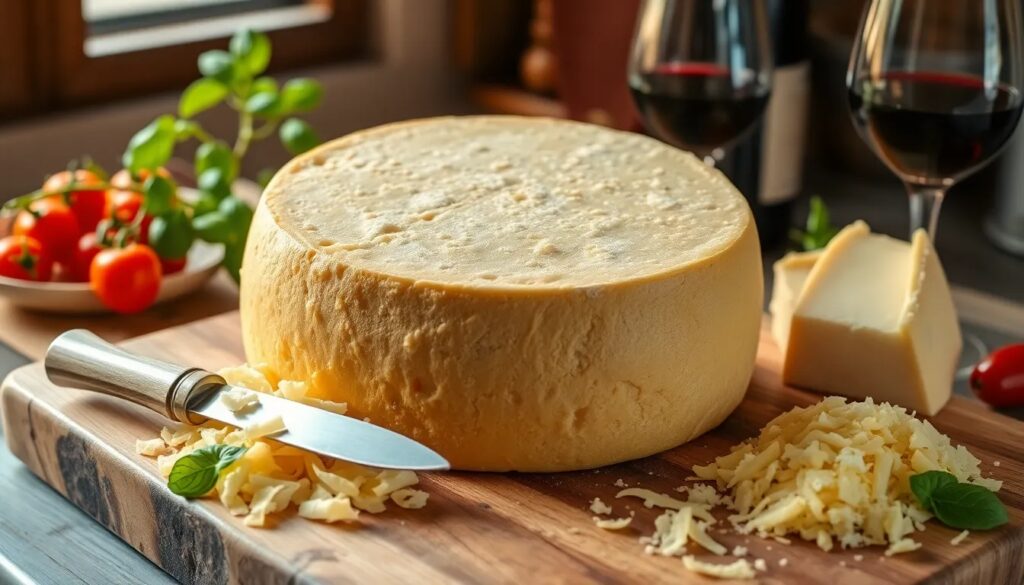
Parmigiano Reggiano is not just any cheese; it is a symbol of Italian culinary heritage. Known for its robust flavor and granular texture, this cheese has captured the hearts of food enthusiasts worldwide. Its strict production standards and rich history make it a culinary treasure.
Crafted in specific regions of Italy, Parmigiano Reggiano is a masterpiece of artisanal cheese-making. In this article, we will explore everything you need to know about this remarkable cheese, from its production methods to its nutritional benefits.
Index
- What is Parmigiano Reggiano?
- How is Parmigiano Reggiano made?
- What are the nutritional characteristics of Parmigiano Reggiano?
- What is the difference between Parmigiano Reggiano and Parmesan?
- How to store Parmigiano Reggiano properly?
- What are some delicious recipes using Parmigiano Reggiano?
- Why is Parmigiano Reggiano considered a culinary treasure?
- Related Questions about Parmigiano Reggiano
What is Parmigiano Reggiano?
Parmigiano Reggiano is a hard, granular cheese produced in the regions of Parma, Reggio Emilia, Modena, Bologna, and Mantua. It is protected by PDO (Protected Designation of Origin) status, ensuring that only cheese made in these areas can bear its name. This cheese is made from unpasteurized cow's milk and ages for a minimum of 12 months, with some varieties aging up to 36 months or longer.
Notably, Parmigiano Reggiano is often referred to as the “King of Cheeses.” Its complex flavor profile, which includes nutty, fruity, and savory notes, makes it a versatile ingredient in various dishes. The cheese has a hard, golden rind and a grainy texture that crumbles beautifully.
 Pork cracklins: a crunchy delight
The production of Parmigiano Reggiano is steeped in tradition, with methods passed down through generations. The milk used for this cheese comes from cows that are fed a specific diet, further enhancing the cheese's unique flavor.
How is Parmigiano Reggiano made?
The production process of Parmigiano Reggiano is meticulous and follows strict guidelines set by the Parmigiano Reggiano Consortium. The process begins with the collection of fresh, unpasteurized cow's milk, which is then combined with natural whey and rennet to initiate curd formation.
Once the curd sets, it is cut into small granules and heated to expel whey. This step is crucial as it influences the final texture of the cheese. The curds are then placed into molds and pressed to form wheels, which can weigh between 24 to 40 kilograms.
After the initial pressing, the cheese wheels are brined in saltwater for about 20 days. This salting process is essential for flavor development and acts as a preservative. Following brining, the cheese is aged for a minimum of 12 months. During this aging period, the cheese is regularly turned and monitored for quality.
Pork cracklins: a crunchy delight Seasoning a cast iron skillet made easy
- Fresh unpasteurized cow's milk
- Natural whey and rennet
- Brined in saltwater
- Aged for at least 12 months
- Strict quality control throughout the process
What are the nutritional characteristics of Parmigiano Reggiano?
Parmigiano Reggiano is not only delicious but also packed with nutrients. It is a rich source of protein, calcium, and essential vitamins. One ounce of this cheese provides around 8 grams of protein and 20% of the daily recommended intake of calcium.
Moreover, Parmigiano Reggiano is low in lactose, making it suitable for those with lactose intolerance. Its aging process breaks down lactose, allowing many individuals to enjoy it without digestive issues. Additionally, it contains beneficial probiotics, contributing to gut health.
This cheese is also a good source of vitamins A and B12, which are vital for maintaining healthy skin and nerve function. The high quality of the ingredients used in its production means that Parmigiano Reggiano is typically free from preservatives and artificial additives.
What is the difference between Parmigiano Reggiano and Parmesan?
The terms "Parmigiano Reggiano" and "Parmesan" are often confused, but there are significant differences between the two. Parmigiano Reggiano is a protected cheese with strict production regulations, while Parmesan is a generic term that can refer to various cheeses made outside of Italy.
Pork cracklins: a crunchy delightSeasoning a cast iron skillet made easy Shellfish fish: an overview of types and uses
To qualify as Parmigiano Reggiano, the cheese must adhere to specific standards set by the consortium, including the use of raw milk and traditional production methods. In contrast, many cheeses labeled as Parmesan may use pasteurized milk and different aging processes.
Authentic Parmigiano Reggiano also has distinctive markings, such as the name “Parmigiano Reggiano” stamped on the rind and a specific grainy texture, which sets it apart from its imitations.
How to store Parmigiano Reggiano properly?
Storing Parmigiano Reggiano correctly is essential to maintain its flavor and texture. Here are some tips for proper storage:
- Keep it in the fridge: Store Parmigiano Reggiano in the refrigerator to prolong its shelf life.
- Wrap it properly: Use parchment paper or wax paper to wrap the cheese, then place it in an airtight container to prevent moisture loss.
- Avoid plastic wrap: Avoid wrapping it in plastic wrap as it can trap moisture and lead to mold.
- Keep it whole: For maximum freshness, it’s best to store the cheese in a whole piece rather than pre-grated.
- Check regularly: Inspect the cheese regularly for any signs of spoilage or mold, and cut away any affected areas.
What are some delicious recipes using Parmigiano Reggiano?
Parmigiano Reggiano is a versatile ingredient that can elevate a wide range of dishes. Here are some delicious recipes that showcase this cheese:
Pork cracklins: a crunchy delightSeasoning a cast iron skillet made easyShellfish fish: an overview of types and uses Shrimp grits recipe
- Risotto alla Parmigiana: Creamy risotto topped with freshly grated Parmigiano Reggiano.
- Caesar Salad: A classic salad with crisp romaine, croutons, and a generous sprinkle of Parmigiano Reggiano.
- Pasta Primavera: Colorful vegetables sautéed and tossed with pasta, finished with grated cheese for added flavor.
- Cheese Board: Serve slices of Parmigiano Reggiano alongside fruits, nuts, and other cheeses.
- Parmesan Crisps: Baked cheese wafers made from grated Parmigiano Reggiano, perfect for snacking.
Why is Parmigiano Reggiano considered a culinary treasure?
Parmigiano Reggiano is regarded as a culinary treasure due to its rich history and artisanal production methods. This cheese has been made for over 800 years, and its unique taste is a result of the specific climate and geography of the regions where it is produced.
The strict PDO regulations ensure that every wheel of Parmigiano Reggiano meets high-quality standards, preserving traditional methods and flavors. The cheese's reputation has been built on generations of craftsmanship, making it a symbol of Italian culinary excellence.
Additionally, Parmigiano Reggiano is celebrated for its versatility and ability to enhance a variety of dishes, making it a staple in many kitchens around the world. Its global popularity is a testament to its status as one of the finest cheeses available.
What's the difference between parmesan and Parmigiano Reggiano?
The difference lies primarily in the production process and regulations. Parmigiano Reggiano is a protected cheese that must be made in specific regions of Italy, using traditional methods. Many cheeses labeled as parmesan, especially outside the EU, do not adhere to these standards and may use different milk and aging processes, thus lacking the same depth of flavor.
Pork cracklins: a crunchy delightSeasoning a cast iron skillet made easyShellfish fish: an overview of types and usesShrimp grits recipe Soy sauce: types, uses, and health benefits
This distinction is crucial for consumers who seek authentic Italian flavors. Authentic Parmigiano Reggiano features a cheese wheel with a specific texture and taste that mass-produced alternatives simply cannot replicate.
What is so special about Parmigiano Reggiano?
Parmigiano Reggiano is special due to its rich flavor, nutritional benefits, and cultural significance. It is crafted using traditional methods that have remained unchanged for centuries, ensuring authenticity and quality. The aging process, which can last from 12 months to several years, contributes to its complex taste profile, making it a favorite among chefs and food lovers alike.
Moreover, its versatility allows it to be used in a variety of dishes, from pasta to salads, enhancing flavors and offering nutritional value. The meticulous care taken during its production process is what truly sets Parmigiano Reggiano apart from other cheeses.
Is Costco Parmigiano Reggiano real?
Costco offers Parmigiano Reggiano that adheres to PDO regulations, ensuring that it is authentic. When you purchase Parmigiano Reggiano from Costco, look for the markings on the rind, which indicate it has been produced according to traditional methods. This information helps consumers confidently enjoy genuine Italian cheese.
Pork cracklins: a crunchy delightSeasoning a cast iron skillet made easyShellfish fish: an overview of types and usesShrimp grits recipeSoy sauce: types, uses, and health benefits Split green pea soup recipe
However, always ensure that the packaging explicitly states "Parmigiano Reggiano" to confirm authenticity, as some cheeses may be marketed similarly but do not meet the strict standards set for this esteemed cheese.
Can I eat Parmigiano Reggiano by itself?
Absolutely! Parmigiano Reggiano can be enjoyed on its own as a snack or appetizer. Its nutty flavor and granular texture make it a delightful treat when eaten in small chunks. Pairing it with fruits, nuts, or even a glass of wine can enhance the tasting experience.
Many cheese enthusiasts recommend savoring it without any accompaniments to fully appreciate its complex flavor profile. Whether enjoyed solo or as part of a cheese board, Parmigiano Reggiano is a versatile cheese that can stand on its own.
Pork cracklins: a crunchy delightSeasoning a cast iron skillet made easyShellfish fish: an overview of types and usesShrimp grits recipeSoy sauce: types, uses, and health benefitsSplit green pea soup recipe Tablespoon 1/3 cup conversion guide
If you want to know other articles similar to Parmigiano reggiano: everything you need to know you can visit the category Cheese and Cream Sauce Recipes.


Deja una respuesta

Gestionar consentimiento
Funcional Siempre activo
El almacenamiento o acceso técnico es estrictamente necesario para el propósito legítimo de permitir el uso de un servicio específico explícitamente solicitado por el abonado o usuario, o con el único propósito de llevar a cabo la transmisión de una comunicación a través de una red de comunicaciones electrónicas.
Preferencias
El almacenamiento o acceso técnico es necesario para la finalidad legítima de almacenar preferencias no solicitadas por el abonado o usuario.
Estadísticas
El almacenamiento o acceso técnico que es utilizado exclusivamente con fines estadísticos. El almacenamiento o acceso técnico que se utiliza exclusivamente con fines estadísticos anónimos. Sin un requerimiento, el cumplimiento voluntario por parte de tu proveedor de servicios de Internet, o los registros adicionales de un tercero, la información almacenada o recuperada sólo para este propósito no se puede utilizar para identificarte.
Marketing
El almacenamiento o acceso técnico es necesario para crear perfiles de usuario para enviar publicidad, o para rastrear al usuario en una web o en varias web con fines de marketing similares.
More embers