
Yakitori: The Essential Guide to Japanese Grilled Chicken
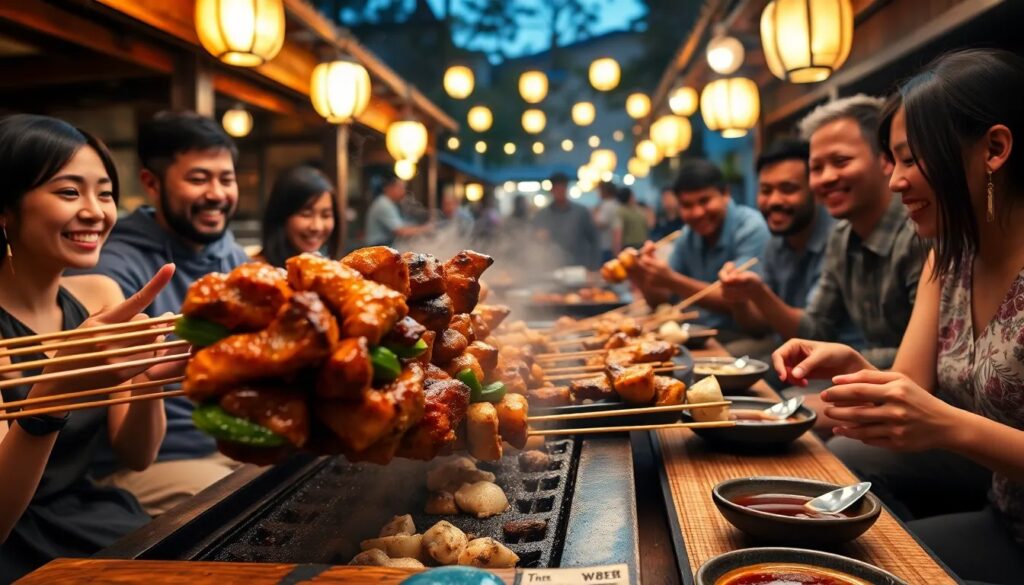
Yakitori is a beloved culinary staple in Japan, offering a delightful experience of grilled chicken skewers that are packed with flavor. This dish, known for its simple yet rich preparation methods, has captivated both locals and visitors alike.
In this guide, we will explore the essence of yakitori, its popularity, various types, and how to recreate this iconic dish at home.
Table of Contents
What is yakitori?
Yakitori is a traditional Japanese dish consisting of chicken pieces grilled on skewers, typically over charcoal. This method of cooking imparts a unique flavor that sets yakitori apart from other grilled dishes. The skewers can include various parts of the chicken, such as thighs, breasts, and even offal like hearts and gizzards, each offering distinct textures and tastes.
Traditionally, yakitori is seasoned either with tare, a sweet soy-based glaze, or simply with salt, allowing the natural flavors of the chicken to shine through. This simplicity is part of what makes yakitori a favorite among many.
With its origins rooted in Japanese street food, yakitori can be found in eateries ranging from casual stalls to upscale restaurants throughout Japan. The experience of enjoying yakitori is not just about the food; it's about the ambiance and the social interactions that come with sharing skewers among friends and family.
Why is yakitori so popular in Japan?
The popularity of yakitori in Japan can be attributed to several factors. For one, it’s a versatile dish that can cater to diverse tastes. You can find variations that include not only chicken but also vegetables and other meats, making it appealing to a wide audience.
Additionally, the experience of dining at an izakaya, where yakitori is often served, is a significant part of Japanese culture. These informal pubs encourage sharing plates and enjoying food with drinks, fostering a convivial atmosphere.
Another reason for its popularity is the cultural significance of yakitori. It embodies the Japanese approach to cooking—honoring the ingredients and focusing on technique. The use of charcoal for grilling enhances the flavor of the chicken, making each bite a gourmet experience.
What are the different types of yakitori?
- Negima: Chicken thighs paired with green onions.
- Tsukune: Chicken meatballs often seasoned with various spices.
- Sasami: Grilled chicken breast, lean and tender.
- Hatsu: Chicken hearts, offering a unique texture.
- Reba: Chicken livers, rich in flavor.
Each type of yakitori showcases a different aspect of chicken. For instance, negima is favored for its balance of meat and onion, while tsukune provides a delightful alternative for those who enjoy meatballs. Additionally, the variety of cooking techniques—from grilling to broiling—contributes to the dish's diversity.
Furthermore, regional variations exist, with different parts of Japan offering unique takes on yakitori. Some areas may use specific marinades or cooking styles that reflect local culinary traditions.
How to make authentic yakitori at home?
Creating authentic yakitori at home is simpler than one might think. Here’s a basic outline to get you started:
- Choose your chicken cuts. Thighs and breasts work wonderfully, but don’t hesitate to experiment with offal for a more traditional experience.
- Soak your skewers in water for about 30 minutes to prevent burning during grilling.
- Marinate the chicken pieces in a mixture of soy sauce, mirin, sake, and sugar for at least 30 minutes.
- Thread the marinated chicken onto the skewers, alternating with vegetables if desired.
- Grill over charcoal or a grill pan until cooked through and slightly charred.
These steps will help ensure that you achieve that authentic yakitori flavor at home. Pair your yakitori with side dishes like rice or miso soup to complete the meal.
What ingredients are needed for yakitori?
The ingredients for yakitori are quite straightforward, making it an accessible dish for home cooks. The key components include:
- Chicken (thighs, breasts, hearts, livers)
- Skewers (preferably bamboo)
- Soy sauce
- Mirin
- Sake
- Sugar
- Salt (for seasoning)
While these are the basic ingredients, feel free to experiment by adding different vegetables or marinades to create your unique version of yakitori. For example, you can add bell peppers, zucchini, or even mushrooms to the skewers for added flavor and nutrition.
Notably, the quality of the chicken used can significantly impact the final dish. Opting for fresh, high-quality chicken will enhance the overall experience and taste of your homemade yakitori.
What sides pair well with yakitori?
When enjoying yakitori, the right side dishes can elevate your meal. Here are some popular options that pair well:
- Steamed rice: A classic accompaniment that balances the flavors of the skewers.
- Miso soup: The savory taste complements the grilled chicken beautifully.
- Pickled vegetables: These add a refreshing contrast to the rich flavors of yakitori.
- Salads: Light salads with sesame dressing can provide a crunchy texture to the meal.
These sides not only enhance the dining experience but also contribute to a well-rounded meal. You can mix and match based on your preferences, ensuring that each yakitori night is unique.
Frequently Asked Questions about Yakitori
What is the difference between yakitori and teriyaki?
While both dishes feature grilled chicken, the key difference lies in the preparation and seasoning. Yakitori is primarily chicken skewered and grilled, seasoned with either tare or salt, highlighting the natural flavors of the meat. In contrast, teriyaki involves marinating the chicken in a sweet soy sauce mixture and then grilling or broiling it, resulting in a sweeter and more glaze-like finish.
The cooking techniques also differ; teriyaki often requires more preparation time due to the marinating process, while yakitori is more straightforward and can be prepared quickly. Ultimately, both dishes are delicious but cater to different flavor profiles and preferences.
What is yakiniku vs yakitori?
Yakiniku and yakitori are both popular forms of grilled meat in Japan, but they focus on different types of meat. Yakiniku primarily involves grilling various cuts of beef, pork, and sometimes chicken, often served with dipping sauces and accompanied by vegetables. In contrast, yakitori exclusively features chicken, with different parts grilled on skewers.
Yakiniku tends to be served at specialized restaurants where diners can grill their meats at the table, while yakitori is commonly found at izakayas and street food stalls, making it more accessible as casual dining. Each offers a unique experience reflective of Japan's rich culinary diversity.
What flavour is yakitori?
The flavor profile of yakitori can vary based on the seasoning used. Generally, it is savory and slightly sweet when prepared with tare, while a salt-seasoned version allows the natural taste of the chicken to dominate. The grilling process over charcoal imparts a subtle smokiness, enhancing the overall flavor.
Additionally, the use of different chicken parts contributes to varied flavors and textures; for example, chicken thighs are juicier and more flavorful compared to leaner cuts like breasts. This variety ensures that there is a yakitori option for every palate.
For a more visual guide on making yakitori, check out this informative video:
If you want to know other articles similar to Yakitori: The Essential Guide to Japanese Grilled Chicken you can visit the category Asian and International Sauce Recipes.

More embers