

Salt crusted prime rib guide
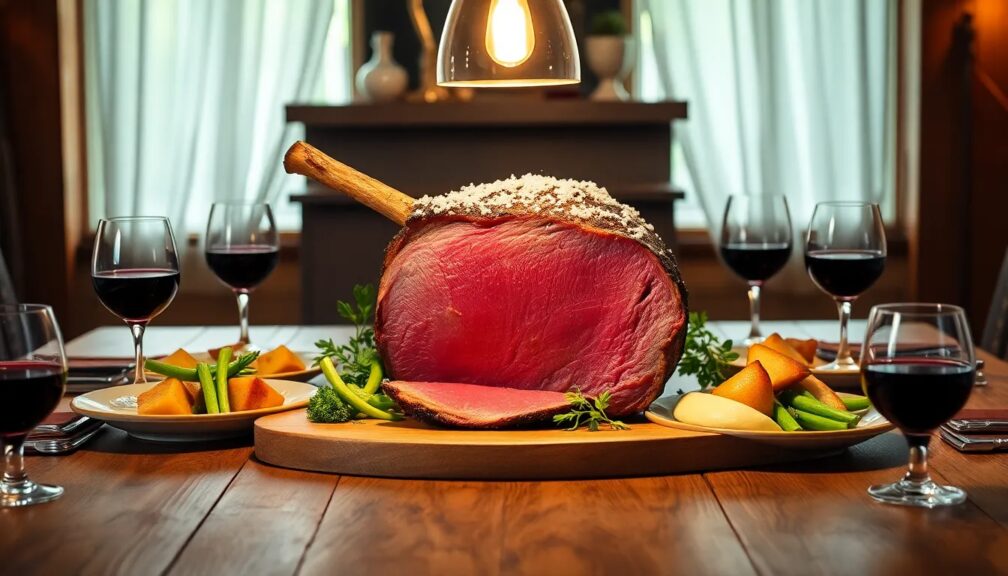
If you're looking to impress your guests or elevate your family dinners, salt crusted prime rib is the dish to master. This stunning roast not only showcases the rich flavors of prime rib but also creates an impressive presentation for any occasion. In this guide, we'll dive deep into everything you need to know to prepare this exquisite dish.
With the right techniques and ingredients, you'll be able to create a succulent roast that is perfectly seasoned and tender. Get ready to become the star of your next gathering with your newly acquired skills in making the perfect salt crusted prime rib!
Table of Contents
- How is salt crusted prime rib prepared?
- What ingredients are needed for salt crusted prime rib?
- How long should you cook salt crusted prime rib?
- What are some tips for making the best salt crusted prime rib?
- How do you carve salt crusted prime rib?
- How to store leftover salt crusted prime rib?
- What are the variations of salt crusted prime rib?
- Related questions about preparing salt crusted prime rib
- Frequently asked questions about salt crusted prime rib preparation
How is salt crusted prime rib prepared?
The preparation of salt crusted prime rib involves a few straightforward steps that ensure your roast is flavorful and juicy. First, the prime rib is generously coated in a mixture of coarse kosher salt, which creates a flavorful crust while locking in moisture. This is crucial for achieving the perfect texture and taste.
Once the salt is applied, the roast should be allowed to rest for a few hours or even overnight in the refrigerator. This resting period helps the salt to penetrate the meat, enhancing its flavor. The roast is then brought to room temperature before cooking, which allows for even cooking throughout.
After the resting period, you can apply other seasonings like garlic powder and ground black pepper, which complement the saltiness. The final step is to roast the prime rib in an oven preheated to the right temperature, ensuring a beautifully cooked result.
What ingredients are needed for salt crusted prime rib?
To create a flavorful salt crusted prime rib, you'll need a few key ingredients. Here’s a quick list to guide you:
- Prime rib roast (bone-in or boneless)
- Coarse kosher salt
- Worcestershire sauce
- Ground black pepper
- Garlic powder
Each of these ingredients plays a vital role in the overall flavor profile of the dish. The coarse kosher salt is essential for forming the crust, while Worcestershire sauce adds depth to the flavor. Ground black pepper and garlic powder offer a delightful kick that balances the richness of the meat.
When selecting your prime rib, aim for a well-marbled cut, as the fat content will contribute to the juiciness and tenderness of the roast. Be sure to adjust the quantity of salt and seasonings based on the size of your roast.
How long should you cook salt crusted prime rib?
Cooking time for salt crusted prime rib can vary depending on the size of the roast and the desired doneness. A general guideline is to cook the roast at 210°F for about 4 to 5 hours. This low and slow method allows the meat to cook evenly and retain its natural juices.
The key is to monitor the internal temperature of the meat using a meat thermometer. For medium-rare, aim for an internal temperature of 145°F. It's important to let the roast rest for at least 30 minutes after removing it from the oven. This resting period allows the juices to redistribute, ensuring a tender and juicy slice.
For those who prefer a more precise cooking method, consider using a reverse sear technique. Cook the prime rib at a low temperature until it reaches your target internal temperature, then finish it in a hot oven to achieve a beautiful crust.
What are some tips for making the best salt crusted prime rib?
Creating the best salt crusted prime rib requires attention to detail and a few insider tips:
- Use coarse kosher salt: This type of salt is ideal for forming a crust without overpowering the meat's flavor.
- Allow time for seasoning: Seasoning the roast a day ahead allows flavors to meld and penetrate the meat.
- Monitor the temperature: Invest in a good meat thermometer to check doneness accurately.
- Rest the meat: Always let your roast rest after cooking for the best texture and juiciness.
These tips will help elevate your prime rib dish and impress your guests. Remember, patience is key. Good things come to those who wait, especially when it comes to cooking!
How do you carve salt crusted prime rib?
Carving salt crusted prime rib correctly can make a significant difference in presentation and ease of serving. Here are some steps to follow:
- Let the roast rest for at least 30 minutes after cooking.
- Use a sharp carving knife to slice against the grain of the meat for maximum tenderness.
- Start by cutting the rib bones away if it is a bone-in roast.
- Cut even slices, ensuring to include some of the flavorful crust in each portion.
By following these steps, you’ll not only retain the roast’s integrity but also make serving easier and more enjoyable for everyone at the table. Remember that presentation matters, so take your time and enjoy the process.
How to store leftover salt crusted prime rib?
Storing leftover salt crusted prime rib properly ensures it maintains its flavor and texture. Here are some tips for storage:
- Allow the roast to cool to room temperature before refrigerating.
- Wrap it tightly in plastic wrap or aluminum foil to prevent moisture loss.
- Store in an airtight container to keep the meat fresh.
- Consume leftovers within 3 to 4 days for the best quality.
If you wish to keep the prime rib for a longer period, consider freezing. Wrap it well and store it in the freezer for up to three months. When ready to eat, thaw it in the refrigerator overnight and reheat gently in the oven.
What are the variations of salt crusted prime rib?
The classic salt crusted prime rib can be adapted in various ways to suit different tastes. Here are some popular variations:
- Herb crusted: Add fresh herbs like rosemary and thyme to the salt mixture for added flavor.
- Spicy crust: Incorporate crushed red pepper flakes or cayenne pepper into the salt for a spicy kick.
- Garlic and herb: Mix minced garlic and dried herbs directly into the salt for an aromatic crust.
These variations give you the freedom to customize your prime rib according to your preferences or those of your guests. Experimenting with different flavor profiles can make each roast a unique experience!
Frequently asked questions about salt crusted prime rib preparation
What does salt do to prime rib?
Salt plays a critical role in the preparation of salt crusted prime rib. It enhances flavor by seasoning the meat deeply and helps retain moisture during cooking. The salt creates a crust that not only adds texture but also prevents the roast from drying out, ensuring that every bite is juicy and flavorful. Additionally, salt can help break down proteins, making the meat more tender as it cooks.
How far in advance should you salt prime rib?
For optimal results, salting your prime rib at least 24 hours before cooking is recommended. This allows the salt to penetrate the meat thoroughly, enhancing its flavor and texture. However, if you're short on time, salting the roast a few hours before cooking can still yield good results. Just remember that the longer you allow the salt to work its magic, the better the final product will be.
How do restaurants make prime rib so tender?
Restaurants often use specific techniques to achieve exceptionally tender prime rib. One common method is the use of dry aging, where the meat is stored in a controlled, chilled environment for weeks. This process intensifies the flavor and tenderness of the meat. Additionally, many chefs employ low-temperature roasting techniques, which allow the meat to cook evenly without becoming tough, as well as resting the meat properly to allow the juices to redistribute.
What is the most important thing to do before roasting a prime rib roast?
The most important step before roasting a prime rib is to ensure that it is properly seasoned. Salting the roast well in advance allows the flavors to penetrate deeply into the meat. Additionally, allowing the roast to come to room temperature before cooking is crucial, as this helps ensure even cooking throughout. These steps can make a significant difference in the quality of your final dish.
Salt Crusted Prime Rib Recipe - by Laura Vitale - Laura in the Kitchen Episode 274

If you want to know other articles similar to Salt crusted prime rib guide you can visit the category BBQ Food and Recipes.


More embers