
Red meat prostate cancer: what you need to know

The connection between diet and health has gained significant attention in recent years, especially regarding the consumption of Red meat and prostate cancer. Understanding this relationship can help individuals make informed dietary choices.
Recent studies have shed light on the impact of red and processed meat on prostate cancer risk and overall health. This article will explore the latest findings and provide insights into how dietary choices can influence cancer outcomes.
Index
- What is the link between red meat and prostate cancer?
- How does processed meat affect prostate cancer risk?
- What dietary changes can help prostate cancer survivors?
- Are there differences between red meat and poultry in cancer outcomes?
- What other foods should be avoided for prostate health?
- What do recent studies say about meat consumption and mortality rates?
- How can prostate cancer patients make healthier dietary choices?
- Questions related to the impact of diet on prostate cancer
What is the link between red meat and prostate cancer?
Research indicates a concerning association between red meat consumption and an increased risk of prostate cancer. A comprehensive meta-analysis, which reviewed data from over 25 studies, has shown that higher intakes of red meat correlate with both total and advanced prostate cancer risk.
Dr. Ying Wang from the American Cancer Society emphasizes that the type of meat consumed significantly affects prostate health. Specifically, processed meats contribute more substantially to cancer risk compared to unprocessed red meats.
 Red meat intake: what you need to know
Men who consume red meat regularly may face elevated levels of carcinogens, which can arise from Cooking methods or the meat's inherent properties. It is crucial for individuals to consider these factors when evaluating their dietary habits.
How does processed meat affect prostate cancer risk?
Processed meats have been linked to a higher risk of developing prostate cancer. These meats often contain preservatives and additives that can be harmful to health. The meta-analysis mentioned earlier found a significant increase in risk associated with higher processed meat intake.
Common processed meats include bacon, sausages, and deli meats. The methods used to prepare these products often introduce chemical compounds that may promote cancer cell development. Consequently, it is advisable for those concerned about prostate health to limit their consumption of processed meats.
- High in saturated fats and sodium
- May contain harmful preservatives
- Cooking methods can create carcinogenic substances
What dietary changes can help prostate cancer survivors?
For prostate cancer survivors, adopting a healthy diet can be pivotal in managing their health. Emphasizing whole foods and plant-based diets can contribute positively. Studies suggest that diets rich in fruits, vegetables, and whole grains are beneficial.
Red meat intake: what you need to know Disease from eating too much red meat
Incorporating foods high in omega-3 fatty acids, such as fatty fish, can also be advantageous. These foods have anti-inflammatory properties that may help mitigate cancer progression.
Additionally, survivors should consider reducing their intake of red meat and processed meats, as these have been linked to negative health outcomes. Instead, focusing on alternatives like poultry can be a healthier choice.
Are there differences between red meat and poultry in cancer outcomes?
Recent research has indicated that poultry consumption may actually lower the risk of prostate cancer compared to red meat. Studies have shown that individuals who favor poultry over red meat tend to have better outcomes regarding cancer progression and overall health.
Poultry is typically lower in saturated fats and calories, making it a heart-healthy option as well. This may explain why those who consume more poultry report better health outcomes than their counterparts who consume high amounts of red meat.
Red meat intake: what you need to knowDisease from eating too much red meat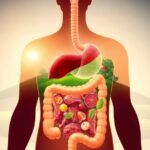 Red meat digestion: understanding the process and its effects
- Poultry is often less processed than red meat
- Lower saturated fat content
- Potentially more beneficial for heart health
What other foods should be avoided for prostate health?
In addition to red meat, certain foods should be avoided to promote prostate health. Highly processed foods, sugary drinks, and refined carbohydrates can contribute to inflammation and other health issues.
Moreover, excessive dairy intake has been linked to prostate cancer progression, with some studies suggesting that men should limit their consumption of dairy products for optimal health.
Overall, a balanced diet focusing on whole foods, plant-based options, and healthy fats is advisable for maintaining prostate health.
What do recent studies say about meat consumption and mortality rates?
Recent findings have drawn a troubling connection between meat consumption and mortality rates among men diagnosed with nonmetastatic prostate cancer. The study conducted by Dr. Ying Wang at the American Cancer Society reveals that high intake levels of red and processed meats are associated with an increased risk of premature death.
Red meat intake: what you need to knowDisease from eating too much red meatRed meat digestion: understanding the process and its effects Why is red meat a carcinogen?
Interestingly, the study also suggests that men consuming poultry experience a lower mortality risk, highlighting the importance of dietary choices in managing health outcomes.
Ultimately, these findings underscore the need for ongoing research to better understand how different types of meat consumption impact long-term health and cancer-related mortality.
How can prostate cancer patients make healthier dietary choices?
Prostate cancer patients can enhance their dietary choices by focusing on nutrition-rich foods that support their health. Incorporating more plant-based foods, such as vegetables, fruits, and whole grains, can provide essential nutrients and antioxidants that may help in combating cancer progression.
Additionally, patients should consider reducing their intake of red meat and processed meats. Exploring alternatives like fish and legumes can offer healthier protein sources.
Red meat intake: what you need to knowDisease from eating too much red meatRed meat digestion: understanding the process and its effectsWhy is red meat a carcinogen? Does red meat boost testosterone?
Engaging with a nutritionist or healthcare professional can provide tailored dietary guidelines that fit individual needs and preferences, maximizing the potential for improved health outcomes.
Can I eat red meat if I have prostate cancer?
While it is not necessary to eliminate red meat entirely, moderation is key. It is advisable for men diagnosed with prostate cancer to limit their intake of red meat and focus more on poultry and plant-based proteins to mitigate health risks.
Reducing portion sizes and frequency can help manage the potential negative effects associated with red meat consumption. Ultimately, individuals should consult healthcare providers for personalized dietary advice.
What kills prostate cancer cells naturally?
Certain foods are believed to have properties that may help kill or inhibit prostate cancer cells naturally. These include tomatoes, which are rich in lycopene, and cruciferous vegetables like broccoli and cauliflower, known for containing cancer-fighting compounds.
Red meat intake: what you need to knowDisease from eating too much red meatRed meat digestion: understanding the process and its effectsWhy is red meat a carcinogen?Does red meat boost testosterone? Is ribs red meat?
Additionally, omega-3 fatty acids found in fish and walnuts are thought to have anti-cancer effects. A diet rich in these foods, combined with a healthy lifestyle, may provide supportive care for those affected by prostate cancer.
What foods are high risk for prostate cancer?
Foods considered high risk for prostate cancer include red meats, particularly processed varieties, and high-fat dairy products. These foods may contain compounds that promote cancer cell growth and inflammation.
It is also important to limit sugary and highly processed foods, which can contribute to obesity and other health issues that may exacerbate cancer risks.
Why is red meat bad for an enlarged prostate?
Red meat can exacerbate symptoms associated with an enlarged prostate due to its high levels of saturated fats and potential carcinogens. These factors can lead to increased inflammation and hormone imbalances, worsening prostate-related issues.
Red meat intake: what you need to knowDisease from eating too much red meatRed meat digestion: understanding the process and its effectsWhy is red meat a carcinogen?Does red meat boost testosterone?Is ribs red meat? Gerd and red meat: what you need to know
Choosing leaner protein sources and incorporating more fruits and vegetables in the diet can help alleviate symptoms and support overall prostate health.
If you want to know other articles similar to Red meat prostate cancer: what you need to know you can visit the category Red meat and diseases: what you need to know.
Benefits of eating red meat

Red meat acid reflux: what you need to know

Processed red meat: what you need to know
Deja una respuesta

Gestionar consentimiento
Funcional Siempre activo
El almacenamiento o acceso técnico es estrictamente necesario para el propósito legítimo de permitir el uso de un servicio específico explícitamente solicitado por el abonado o usuario, o con el único propósito de llevar a cabo la transmisión de una comunicación a través de una red de comunicaciones electrónicas.
Preferencias
El almacenamiento o acceso técnico es necesario para la finalidad legítima de almacenar preferencias no solicitadas por el abonado o usuario.
Estadísticas
El almacenamiento o acceso técnico que es utilizado exclusivamente con fines estadísticos. El almacenamiento o acceso técnico que se utiliza exclusivamente con fines estadísticos anónimos. Sin un requerimiento, el cumplimiento voluntario por parte de tu proveedor de servicios de Internet, o los registros adicionales de un tercero, la información almacenada o recuperada sólo para este propósito no se puede utilizar para identificarte.
Marketing
El almacenamiento o acceso técnico es necesario para crear perfiles de usuario para enviar publicidad, o para rastrear al usuario en una web o en varias web con fines de marketing similares.
More embers