
Red meat for high blood pressure: what you need to know
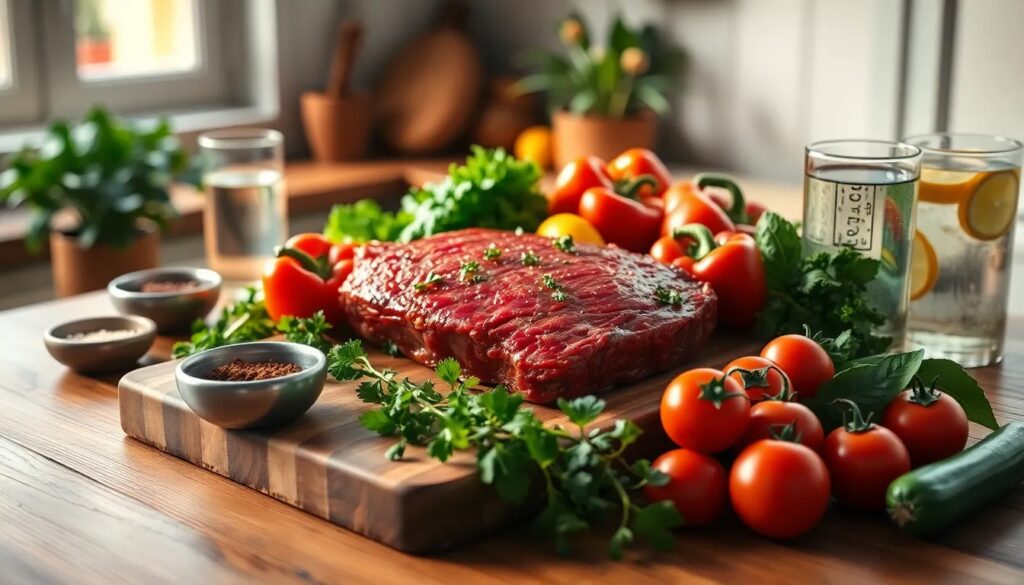
Hypertension, commonly known as high blood pressure, is a significant health concern affecting millions worldwide. A critical aspect of managing this condition is understanding the impact of Red meat on high blood pressure. In this article, we will explore various dietary considerations related to red meat consumption and its effect on hypertension.
By examining the relationship between nutrition and blood pressure, we aim to provide insights that can aid in developing healthier eating habits and managing hypertension effectively.
Index
- What foods should you avoid to manage high blood pressure?
- How does red meat consumption affect hypertension?
- Which foods are best for lowering blood pressure?
- What are the top foods that raise blood pressure?
- Can dietary changes really help with hypertension?
- Are there alternatives to red meat for a healthy diet?
- What are the best dietary practices for high blood pressure?
- Related questions about dietary choices for managing blood pressure
What foods should you avoid to manage high blood pressure?
Managing high blood pressure involves making informed dietary choices. Foods high in sodium are among the most critical to avoid. These include processed foods, canned soups, and certain snack items, which can significantly raise blood pressure levels.
Furthermore, sugary beverages and snacks should also be limited. They can contribute to weight gain, which is a risk factor for hypertension. Red meat, particularly processed options, can also be problematic due to their high sodium content.
 Can a diabetic eat red meat?
- Processed meats (bacon, sausages, hot dogs)
- Salty snack foods (chips, pretzels)
- Canned soups and sauces
- Pickled foods
In addition to avoiding these foods, it's essential to be cautious with portion sizes and to increase the intake of fruits and vegetables, which can help in managing blood pressure levels.
How does red meat consumption affect hypertension?
The impact of red meat on hypertension is a topic of ongoing research. Some studies suggest that high consumption of red meat may be associated with increased blood pressure and cardiovascular disease risks. The saturated fats and sodium found in red meat can contribute to these health issues.
Moreover, the way red meat is prepared can further exacerbate its effects. For instance, grilling or frying can introduce unhealthy fats that may affect arterial health. It is advisable for individuals with hypertension to consider moderating their intake of red meat.
Alternatives such as lean poultry or fish can provide necessary proteins without the same risks associated with red meat. Additionally, plant-based protein sources like beans and legumes are excellent options for maintaining a balanced diet.
Can a diabetic eat red meat? Is brisket red meat?
Which foods are best for lowering blood pressure?
A heart-healthy diet can significantly aid in lowering blood pressure. Foods rich in potassium, magnesium, and fiber are particularly beneficial. Some of the best options include:
- Leafy greens (spinach, kale)
- Berries (blueberries, strawberries)
- Beets
- Oats
- Bananas
Incorporating these foods into daily meals not only helps regulate blood pressure but also supports overall cardiovascular health. A diet rich in fruits, vegetables, and whole grains is essential for anyone looking to manage hypertension effectively.
What are the top foods that raise blood pressure?
In addition to red meat, there are several other foods that can contribute to elevated blood pressure. High-sodium foods, such as those mentioned earlier, are at the top of the list. Processed and fast foods often contain hidden sodium, making them detrimental for those with hypertension.
Furthermore, excessive alcohol consumption can negatively impact blood pressure levels. It is recommended to limit alcohol intake to moderate levels to avoid exacerbating hypertension.
Can a diabetic eat red meat?Is brisket red meat? Is red meat really bad for you?
As a general rule, understanding nutrition labels and choosing fresh, whole foods can greatly assist in avoiding high blood pressure triggers.
Can dietary changes really help with hypertension?
Yes, dietary changes can significantly help in managing hypertension. Research has shown that certain diets, like the DASH (Dietary Approaches to Stop Hypertension) diet, can effectively reduce blood pressure levels. This diet emphasizes whole grains, fruits, vegetables, and lean proteins while minimizing red meat and processed foods.
Making small adjustments, such as reducing salt intake and increasing potassium-rich foods, can have a profound effect on overall health. Individuals often notice improvements in their blood pressure within weeks of adopting healthier eating habits.
Are there alternatives to red meat for a healthy diet?
Absolutely! There are numerous healthy alternatives to red meat that can provide essential nutrients without the associated risks. Some examples include:
Can a diabetic eat red meat?Is brisket red meat?Is red meat really bad for you? Are humans white or red meat?
- Fish (especially fatty types like salmon and mackerel)
- Poultry (chicken and turkey)
- Legumes (lentils, chickpeas)
- Nuts and seeds
These alternatives not only contribute to a balanced diet but also offer a variety of flavors and textures to meals. Incorporating these foods can help maintain protein intake while supporting heart health.
What are the best dietary practices for high blood pressure?
To effectively manage high blood pressure, adopting the following dietary practices can be beneficial:
- Limit sodium intake to less than 2,300 mg per day.
- Focus on whole, unprocessed foods.
- Increase consumption of fruits, vegetables, and whole grains.
- Choose healthy fats, such as those found in olive oil and avocados.
- Stay hydrated and limit sugary drinks.
By implementing these practices, individuals can substantially lower their risk of hypertension and improve their overall health.
Can people with high blood pressure eat red meat?
People with high blood pressure can eat red meat, but moderation is key. It is advisable to choose lean cuts and to limit consumption to occasional servings. Opting for red meat that is free from added sodium and avoiding processed options can help mitigate potential risks.
Can a diabetic eat red meat?Is brisket red meat?Is red meat really bad for you?Are humans white or red meat? Diverticulitis and red meat: what you need to know
What not to eat when BP is high?
When managing high blood pressure, it is essential to avoid foods high in sodium, saturated fats, and added sugars. This includes processed meats, canned goods, and fast food. Instead, focus on whole, nutrient-dense foods that support heart health.
Which steak is good for high blood pressure?
If you choose to consume steak, lean cuts such as sirloin or filet mignon are better options. These cuts contain less saturated fat and fewer calories than fattier cuts like ribeye. Always consider the Cooking method—grilling, baking, or broiling are healthier preparations.
What is the main enemy of high blood pressure?
The main enemy of high blood pressure is sodium. High sodium intake is directly linked to increased blood pressure, making it vital to monitor and reduce sodium consumption in the diet. Processed and fast foods often contain excessive amounts of sodium, which can exacerbate this condition.
Can a diabetic eat red meat?Is brisket red meat?Is red meat really bad for you?Are humans white or red meat?Diverticulitis and red meat: what you need to know Eat too much red meat? Here's what you should know
If you want to know other articles similar to Red meat for high blood pressure: what you need to know you can visit the category Red meat and diseases: what you need to know.
Benefits of eating red meat

Red meat acid reflux: what you need to know

Processed red meat: what you need to know
Deja una respuesta

Gestionar consentimiento
Funcional Siempre activo
El almacenamiento o acceso técnico es estrictamente necesario para el propósito legítimo de permitir el uso de un servicio específico explícitamente solicitado por el abonado o usuario, o con el único propósito de llevar a cabo la transmisión de una comunicación a través de una red de comunicaciones electrónicas.
Preferencias
El almacenamiento o acceso técnico es necesario para la finalidad legítima de almacenar preferencias no solicitadas por el abonado o usuario.
Estadísticas
El almacenamiento o acceso técnico que es utilizado exclusivamente con fines estadísticos. El almacenamiento o acceso técnico que se utiliza exclusivamente con fines estadísticos anónimos. Sin un requerimiento, el cumplimiento voluntario por parte de tu proveedor de servicios de Internet, o los registros adicionales de un tercero, la información almacenada o recuperada sólo para este propósito no se puede utilizar para identificarte.
Marketing
El almacenamiento o acceso técnico es necesario para crear perfiles de usuario para enviar publicidad, o para rastrear al usuario en una web o en varias web con fines de marketing similares.
More embers