
Red meat consumption: what you need to know

The debate surrounding Red meat consumption has gained significant attention in recent years. With conflicting studies and expert opinions, it's essential to navigate through the concerns and benefits associated with eating red meat. In this article, we'll explore various aspects of red meat and its impact on health.
Understanding the implications of incorporating red meat into your diet can help you make informed choices. From health benefits to potential risks, let's delve into this multifaceted topic.
Index
- What is red meat?
- Why is red meat bad for you?
- What are the health benefits of red meat consumption?
- How much red meat should you eat per week?
- What are the risks associated with red meat consumption?
- How to make healthier choices when eating red meat?
- What are the recommendations for red meat intake?
- Related questions about red meat consumption
What is red meat?
Red meat refers to meat that is darker in color before Cooking. It typically includes beef, lamb, pork, and goat. This type of meat is known for its rich flavor and is a staple in many cuisines around the world. Its popularity can be attributed to its versatility and nutritional value.
In terms of nutritional content, red meat is an excellent source of proteins, iron, and B vitamins. However, the value of red meat can vary significantly based on the cut and how it is prepared. Understanding these nuances is crucial for anyone considering their dietary options.
 Why is red meat carcinogenic?
While red meat is often praised for its protein content, it's also important to consider the saturated fats it contains. The cooking method can further influence the health aspects of these meals, making it vital to choose wisely.
Why is red meat bad for you?
Concerns about red meat consumption primarily stem from its association with various health risks. Studies suggest a link between frequent consumption and increased chances of heart disease, certain cancers, and other health issues. For instance, saturated fats found in red meat can lead to higher cholesterol levels, which are a risk factor for heart disease.
Processed meats, which include products like bacon and sausage, are generally considered more harmful than unprocessed meats. They often contain preservatives and additives that can increase health risks, including links to colorectal cancer, according to research from reputable sources like the MD Anderson Cancer Center.
Moreover, the method of cooking red meat can produce harmful compounds. Grilling or frying at high temperatures can create substances that may increase cancer risk, adding another layer of concern to red meat consumption.
Why is red meat carcinogenic?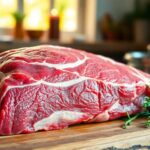 Understanding red meat fat and its impact on health
What are the health benefits of red meat consumption?
Despite the associated risks, red meat consumption also offers notable health benefits. It is a rich source of essential nutrients, including iron, zinc, and vitamin B12. These nutrients play vital roles in energy production, immune function, and red blood cell formation.
Iron from red meat is readily absorbed by the body, making it an effective way to combat iron deficiency anemia. The nutritional value of red meat can significantly contribute to a balanced diet, especially for those engaged in high levels of physical activity.
Furthermore, the proteins found in red meat are complete proteins, containing all essential amino acids required for muscle repair and growth. This makes it particularly beneficial for athletes and individuals with increased protein needs.
How much red meat should you eat per week?
Health experts recommend limiting red meat consumption to about 2-3 servings per week. This is to mitigate potential health risks while still reaping the nutritional benefits. The key is moderation and being conscious of the types of red meat chosen.
Why is red meat carcinogenic?Understanding red meat fat and its impact on health Red meat and prostate cancer: what you should know
Portion sizes are also important. A standard serving is typically around 3 ounces, which is about the size of a deck of cards. Keeping this in mind can help manage overall intake effectively.
Additionally, focusing on lean cuts can help reduce the intake of saturated fats. Cuts like sirloin or tenderloin are preferable compared to fattier options like ribeye or T-bone steak.
What are the risks associated with red meat consumption?
Increased red meat consumption has been linked to several health risks. The most significant concerns involve cardiovascular diseases and specific types of cancer. Research indicates that those who consume high amounts of red meat may be at a greater risk for developing colorectal cancer.
Moreover, the presence of saturated fats and sodium in red meats can contribute to elevated blood pressure and cholesterol levels. This poses additional risks for heart disease and stroke, making it crucial to consider the overall diet.
Why is red meat carcinogenic?Understanding red meat fat and its impact on healthRed meat and prostate cancer: what you should know Is salmon considered red meat?
Furthermore, some studies suggest that consuming processed meats may significantly increase the risk of developing type 2 diabetes. These health risks necessitate a balanced approach to meat intake.
How to make healthier choices when eating red meat?
Making healthier choices regarding red meat consumption involves several strategies. Firstly, opting for lean cuts can significantly lower saturated fat intake. Cuts such as eye of round or top round are excellent alternatives.
- Consider cooking methods: Grilling or baking rather than frying helps minimize harmful compounds.
- Incorporate a variety of protein sources: Balance red meat with other protein options like poultry, fish, legumes, and nuts.
- Be conscious of portion sizes: Aim for servings of around 3 ounces to maintain moderation.
Additionally, pairing red meat with vegetables can enhance the meal's overall nutritional profile. This not only increases fiber intake but also provides essential vitamins and minerals that can counteract some of the negatives associated with red meat.
What are the recommendations for red meat intake?
Organizations such as the Annals of Internal Medicine recommend that individuals consume no more than 18 ounces of cooked red meat weekly. This aligns with expert opinions advocating for a balanced diet that prioritizes moderation.
Why is red meat carcinogenic?Understanding red meat fat and its impact on healthRed meat and prostate cancer: what you should knowIs salmon considered red meat? Cheap red meat cuts for budget-friendly meals
Moreover, it is essential to differentiate between processed and unprocessed meats. Limiting processed meats is especially crucial, as they are associated with higher health risks. Choosing grass-fed or organic options may also provide additional health benefits.
Ultimately, focusing on a diverse diet that includes various protein sources, along with whole grains and plenty of fruits and vegetables, is key to minimizing health risks while enjoying the benefits of red meat.
How much red meat is OK per week?
Experts generally recommend limiting red meat consumption to about 2-3 servings per week, translating to roughly 18 ounces of cooked red meat. This amount helps balance the benefits of red meat with the potential health risks.
Is it better to eat no red meat?
While reducing red meat can lower health risks associated with certain diseases, entirely eliminating it may not be necessary for everyone. A balanced diet that includes moderate red meat intake can still be part of a healthy lifestyle.
Why is red meat carcinogenic?Understanding red meat fat and its impact on healthRed meat and prostate cancer: what you should knowIs salmon considered red meat?Cheap red meat cuts for budget-friendly meals Is red meat good for dogs?
What is the unhealthiest red meat?
Processed red meats, such as bacon, sausages, and hot dogs, are often considered the unhealthiest options. They tend to contain higher levels of sodium, preservatives, and harmful additives that can increase health risks compared to unprocessed cuts.
What is excessive red meat consumption?
Excessive red meat consumption typically refers to eating more than the recommended 18 ounces per week. This can lead to increased risks of heart disease, certain cancers, and other health issues associated with high intake of saturated fats and processed meats.
If you want to know other articles similar to Red meat consumption: what you need to know you can visit the category Red meat and diseases: what you need to know.
Benefits of eating red meat

Red meat acid reflux: what you need to know

Processed red meat: what you need to know
Deja una respuesta

Gestionar consentimiento
Funcional Siempre activo
El almacenamiento o acceso técnico es estrictamente necesario para el propósito legítimo de permitir el uso de un servicio específico explícitamente solicitado por el abonado o usuario, o con el único propósito de llevar a cabo la transmisión de una comunicación a través de una red de comunicaciones electrónicas.
Preferencias
El almacenamiento o acceso técnico es necesario para la finalidad legítima de almacenar preferencias no solicitadas por el abonado o usuario.
Estadísticas
El almacenamiento o acceso técnico que es utilizado exclusivamente con fines estadísticos. El almacenamiento o acceso técnico que se utiliza exclusivamente con fines estadísticos anónimos. Sin un requerimiento, el cumplimiento voluntario por parte de tu proveedor de servicios de Internet, o los registros adicionales de un tercero, la información almacenada o recuperada sólo para este propósito no se puede utilizar para identificarte.
Marketing
El almacenamiento o acceso técnico es necesario para crear perfiles de usuario para enviar publicidad, o para rastrear al usuario en una web o en varias web con fines de marketing similares.
More embers