
Red meat calories: what you need to know
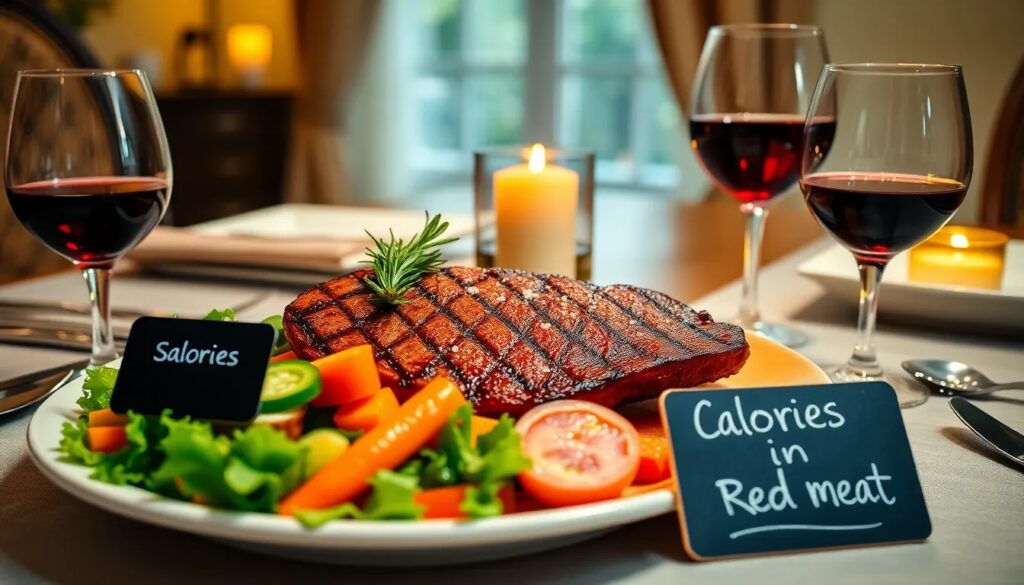
Red meat has been a staple in diets around the world, celebrated for its rich flavor and nutritional benefits. However, understanding its calorie content and overall nutritional profile is essential for making informed dietary choices.
This article will explore various aspects of red meat calories, its nutritional benefits, and how Cooking methods can affect its caloric content.
Index
- What are the nutritional benefits of red meat?
- How many calories are in a pound of red meat?
- What is the caloric content of cooked red meat?
- How does the cooking method affect red meat calories?
- What are the key nutritional facts of 100g of red meat?
- Is red meat a good source of protein?
- What should you know about choosing lean cuts of red meat?
- Questions related to red meat calories
What are the nutritional benefits of red meat?
Red meat is an excellent source of high-quality protein, which is vital for muscle growth and repair. It also contains essential nutrients such as vitamin B12, iron, and zinc, which are crucial for maintaining energy levels and supporting a healthy immune system.
Incorporating red meat into your diet can help meet your nutritional needs, especially for those who engage in regular physical activity. The presence of heme iron in red meat is particularly beneficial, as it is more readily absorbed by the body compared to non-heme iron found in plant sources.
 Can't eat red meat? Here's what you need to know
Additionally, red meat provides fatty acids that are important for brain health. However, it’s important to choose lean cuts to minimize saturated fat intake.
How many calories are in a pound of red meat?
The caloric content of red meat can vary significantly depending on the cut and preparation method. On average, a pound of raw beef contains approximately 1,152 calories. This can differ if the meat is fatty or lean, with fatty cuts having a higher caloric value.
For instance, a pound of ground beef (80% lean) may contain around 1,200 calories, while a pound of steak could have about 1,100 calories. Always consider the cut of meat when assessing caloric content.
When buying red meat, it's beneficial to check nutritional labels or consult resources to understand the calorie content better.
Can't eat red meat? Here's what you need to know Red and white meat: understanding the differences
What is the caloric content of cooked red meat?
Cooking methods can significantly alter the caloric content of red meat. For example, cooking a 100g serving of beef can range from approximately 250 to 350 calories, depending on the cooking method used. Grilling or baking tends to preserve fewer calories compared to frying.
When cooked, the fat content can render off, leading to a reduction in the overall caloric density of the meat. A 100g serving of cooked ground beef generally contains around 250 calories, while a similar serving of cooked steak can contain about 300 calories.
It's essential to consider the cooking method when evaluating the caloric content, as it can significantly impact the final nutritional value.
How does the cooking method affect red meat calories?
The method of cooking red meat plays a crucial role in determining its caloric value. Different techniques can either add or reduce calories. For instance, frying often increases the calorie content due to the absorption of cooking oil, while methods like grilling or broiling typically yield lower calorie results.
Can't eat red meat? Here's what you need to knowRed and white meat: understanding the differences How is red meat bad for you?
- Grilling: Reduces fat content and calories, enhancing flavor.
- Roasting: Retains moisture and flavors; calorie content depends on added fats.
- Steaming: Keeps calories low, preserving nutrients.
- Frying: Increases calorie content significantly due to oil absorption.
Choosing the right cooking method can help manage calorie intake while maximizing the nutritional benefits of red meat.
What are the key nutritional facts of 100g of red meat?
When examining nutritional facts for 100g of red meat, the following information is crucial:
- Protein: Approximately 26g, making it a great source of high-quality protein.
- Fat: Varies widely by cut; can range from 10g to 20g.
- Iron: Around 2.6mg, which is about 15% of the daily recommended intake.
- Zinc: Roughly 4mg, crucial for immune function.
- Vitamin B12: Approximately 2.5µg, essential for nerve health and red blood cell production.
Understanding these facts can help individuals make informed choices about their red meat consumption, especially when aiming to increase protein or iron intake.
Is red meat a good source of protein?
Yes, red meat is an excellent source of protein. It provides all the essential amino acids needed for muscle growth and repair. A typical serving of red meat can contain about 26g of protein per 100g, making it one of the richest sources of protein available.
Can't eat red meat? Here's what you need to knowRed and white meat: understanding the differencesHow is red meat bad for you? Is duck meat red or white?
Moreover, the protein from red meat is highly bioavailable, meaning that the body can absorb and utilize it effectively. This is particularly important for athletes or those with higher protein needs.
However, it’s important to consider the balance of your diet. Incorporating a variety of protein sources, including plant-based options, can enhance overall nutrition.
What should you know about choosing lean cuts of red meat?
When selecting red meat, opting for lean cuts is essential for managing caloric intake and reducing saturated fat consumption. Cuts such as sirloin, tenderloin, and eye of round are excellent choices.
Here are some tips for choosing lean cuts:
Can't eat red meat? Here's what you need to knowRed and white meat: understanding the differencesHow is red meat bad for you?Is duck meat red or white? Tarkov beyond the red meat part 2
- Look for cuts labeled as "lean" or "extra lean" at the butcher.
- Trim any visible fat from the meat before cooking.
- Choose grass-fed options when possible, as they often have a better fat profile.
By making mindful choices, you can enjoy the benefits of red meat while keeping your diet balanced and health-focused.
How many calories are in 4 oz of red meat?
A 4 oz serving of red meat typically contains between 250 to 300 calories, depending on the cut and cooking method. For example, grilled steak may be on the higher end of this range, while lean ground beef may be lower.
Understanding these variations can help individuals track their calorie intake more accurately, especially when portion sizes are a concern.
Is red meat ok for weight loss?
Red meat can be included in a weight loss diet when consumed in moderation. It provides high-quality protein that can help with satiety and muscle maintenance.
Can't eat red meat? Here's what you need to knowRed and white meat: understanding the differencesHow is red meat bad for you?Is duck meat red or white?Tarkov beyond the red meat part 2 Is beef liver red meat?
Choosing lean cuts and controlling portion sizes is crucial in this context. Pairing red meat with plenty of vegetables and whole grains can create a balanced meal that supports weight loss goals.
How many calories are in red beef meat?
The caloric content of red beef meat varies by cut. Typically, ground beef contains around 250 to 300 calories per 100g, while cuts like ribeye can go much higher due to increased fat content.
Tracking these values is essential for anyone looking to manage their calorie intake effectively.
Which meat is lowest in calories?
Among various meats, poultry such as chicken breast tends to be lower in calories compared to red meat. For instance, skinless chicken breast has around 165 calories per 100g, making it a popular choice for those seeking lower-calorie options.
Can't eat red meat? Here's what you need to knowRed and white meat: understanding the differencesHow is red meat bad for you?Is duck meat red or white?Tarkov beyond the red meat part 2Is beef liver red meat? Red meat and white meat: differences and health impacts
Fish is also a great low-calorie protein source, with options like cod or tilapia often containing less than 130 calories per 100g.
Incorporating a mix of meats in your diet can help diversify nutrient intake while managing overall caloric consumption.
If you want to know other articles similar to Red meat calories: what you need to know you can visit the category Red meat and diseases: what you need to know.
Benefits of eating red meat

Red meat acid reflux: what you need to know

Processed red meat: what you need to know
Deja una respuesta

Gestionar consentimiento
Funcional Siempre activo
El almacenamiento o acceso técnico es estrictamente necesario para el propósito legítimo de permitir el uso de un servicio específico explícitamente solicitado por el abonado o usuario, o con el único propósito de llevar a cabo la transmisión de una comunicación a través de una red de comunicaciones electrónicas.
Preferencias
El almacenamiento o acceso técnico es necesario para la finalidad legítima de almacenar preferencias no solicitadas por el abonado o usuario.
Estadísticas
El almacenamiento o acceso técnico que es utilizado exclusivamente con fines estadísticos. El almacenamiento o acceso técnico que se utiliza exclusivamente con fines estadísticos anónimos. Sin un requerimiento, el cumplimiento voluntario por parte de tu proveedor de servicios de Internet, o los registros adicionales de un tercero, la información almacenada o recuperada sólo para este propósito no se puede utilizar para identificarte.
Marketing
El almacenamiento o acceso técnico es necesario para crear perfiles de usuario para enviar publicidad, o para rastrear al usuario en una web o en varias web con fines de marketing similares.
More embers