
Red meat and kidney stones: what you need to know

Kidney stones are a common health issue that can lead to severe pain and discomfort. Understanding how Red meat affects kidney stone formation is essential for those who are prone to these conditions. This article explores the relationship between red meat and kidney stones, including dietary guidelines and prevention strategies.
Index
- High oxalate foods that can cause kidney stones
- What are the effects of red meat on kidney stones?
- What foods should be avoided to prevent kidney stones?
- What is the best diet for kidney stone prevention?
- How can you reduce the risk of kidney stones?
- What are the common misconceptions about kidney stones?
- How does hydration impact kidney stone formation?
- Related questions about dietary impacts on kidney stones
High oxalate foods that can cause kidney stones
High oxalate foods are known to contribute significantly to the formation of kidney stones, particularly calcium oxalate stones. Foods such as spinach, beets, and nuts are notorious for their high oxalate content. If you are susceptible to kidney stones, it is wise to limit these foods in your diet.
In addition to avoiding high oxalate foods, pairing them with calcium-rich foods can help mitigate the risk. This is because calcium can bind with oxalates in the gut and reduce their absorption into the bloodstream.
- Spinach
- Rhubarb
- Beet greens
- Almonds
- Cashews
When managing kidney stone risk, it’s crucial to maintain a balanced approach to your diet. Focus on incorporating low-oxalate foods, such as most fruits and vegetables, while ensuring adequate calcium intake from dairy or fortified sources.
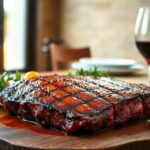 Highest protein red meat options for your diet
What are the effects of red meat on kidney stones?
Research indicates that there is a direct correlation between red meat consumption and urinary health. Diets high in animal protein can lead to an increased risk of kidney stones, particularly uric acid stones. This is because animal proteins increase the excretion of calcium and uric acid in the urine, which are key contributors to stone formation.
Moreover, high amounts of purines found in red meat can elevate uric acid levels in the body. Elevated uric acid can lead to the formation of uric acid stones, which are a type of kidney stone that can cause severe pain if not managed properly.
Limiting red meat intake can be an effective strategy for those prone to kidney stones. A diet lower in animal protein is often recommended for better urinary health.
What foods should be avoided to prevent kidney stones?
To prevent kidney stones, it is essential to avoid certain foods that can exacerbate the risk. Here are some key foods to limit:
Highest protein red meat options for your diet Can red meat cause bloating?
- Processed meats
- High-sodium foods
- Rhubarb and spinach (high in oxalates)
- Caffeinated beverages
- Alcohol
Each of these food categories can contribute to stone formation in various ways, such as increasing oxalate levels, contributing to dehydration, or elevating uric acid levels. Instead, focus on whole foods and a balanced diet rich in fruits, vegetables, and whole grains.
What is the best diet for kidney stone prevention?
A well-balanced kidney stone diet emphasizes hydration and includes foods that can help reduce the risk of stone formation. Here are some dietary guidelines:
- Drink plenty of water to stay hydrated.
- Incorporate citrus fruits like oranges and lemons, which can help reduce stone formation.
- Opt for low-fat dairy products for calcium intake.
- Focus on plant-based proteins such as beans and legumes.
By following a diet that balances hydration with appropriate nutrients, you can significantly lower your risk of developing kidney stones. This balanced approach is crucial for maintaining not only kidney health but overall well-being.
How can you reduce the risk of kidney stones?
Reducing the risk of kidney stones involves both dietary changes and lifestyle modifications. Here are some effective strategies:
Highest protein red meat options for your dietCan red meat cause bloating? Meals without red meat: delicious and healthy options
- Stay hydrated: Aim for at least 8-10 glasses of water a day.
- Limit sodium intake: High sodium levels can lead to increased calcium in the urine.
- Moderate animal protein consumption: Too much protein can increase uric acid levels.
- Incorporate fruits and vegetables: They provide important vitamins and minerals that promote kidney health.
Each of these steps plays a crucial role in preventing kidney stones. By making small changes to your daily habits, you can significantly mitigate your risk.
What are the common misconceptions about kidney stones?
Myths surrounding kidney stones often lead to confusion about their prevention and management. One common misconception is that all kidney stones are the same. In reality, there are different types of stones, including calcium oxalate stones and uric acid stones, each requiring specific dietary adjustments.
Another misconception is that drinking less water can help prevent stones. The truth is that hydration is critical; inadequate fluid intake increases the risk of stone formation significantly.
It’s also a myth that only high-protein diets lead to kidney stones. While excessive animal protein is a factor, not all proteins have the same impact. Understanding these nuances is essential for effective prevention.
Highest protein red meat options for your dietCan red meat cause bloating?Meals without red meat: delicious and healthy options How much creatine is in red meat?
How does hydration impact kidney stone formation?
Hydration plays a vital role in preventing kidney stones. Adequate fluid intake helps dilute the substances in urine that can form stones, thus reducing the likelihood of their formation. When you are dehydrated, your urine becomes more concentrated, increasing the risk of crystal formation.
Additionally, drinking enough fluids, particularly water, can help flush the kidneys and remove potential stone-forming materials from the body. Aim to drink enough fluids throughout the day, especially if you are at risk for kidney stones.
Incorporating hydrating foods, such as fruits and vegetables, can also contribute to your overall fluid intake.
Does red meat increase kidney stones?
Yes, red meat can increase the risk of kidney stones, particularly uric acid stones. Diets high in red meat contribute to elevated levels of uric acid in the body, which can lead to stone formation.
Highest protein red meat options for your dietCan red meat cause bloating?Meals without red meat: delicious and healthy optionsHow much creatine is in red meat? Red crab meat: everything you need to know
What are the top 10 foods that cause kidney stones?
The top foods that can contribute to kidney stones include:
- Spinach
- Rhubarb
- Beets
- Almonds
- Caffeinated beverages
- Processed meats
- High-sodium snacks
- Chocolate
- Wheat bran
- Salty foods
Is red meat high in oxalates?
No, red meat is not particularly high in oxalates; however, it does influence the overall risk of kidney stones due to its impact on uric acid levels. For individuals concerned about kidney stones, moderating red meat intake is advisable.
What kind of meat can I eat with kidney stones?
For those with kidney stones, it is best to choose lean meats and limit red meat consumption. Poultry and fish are generally better options, as they are lower in purines compared to red meat, thus posing a lesser risk for uric acid stone formation.
Highest protein red meat options for your dietCan red meat cause bloating?Meals without red meat: delicious and healthy optionsHow much creatine is in red meat?Red crab meat: everything you need to know Chicken vs red meat protein: which is better?
If you want to know other articles similar to Red meat and kidney stones: what you need to know you can visit the category Red meat and diseases: what you need to know.
Benefits of eating red meat

Red meat acid reflux: what you need to know

Processed red meat: what you need to know
Deja una respuesta

Gestionar consentimiento
Funcional Siempre activo
El almacenamiento o acceso técnico es estrictamente necesario para el propósito legítimo de permitir el uso de un servicio específico explícitamente solicitado por el abonado o usuario, o con el único propósito de llevar a cabo la transmisión de una comunicación a través de una red de comunicaciones electrónicas.
Preferencias
El almacenamiento o acceso técnico es necesario para la finalidad legítima de almacenar preferencias no solicitadas por el abonado o usuario.
Estadísticas
El almacenamiento o acceso técnico que es utilizado exclusivamente con fines estadísticos. El almacenamiento o acceso técnico que se utiliza exclusivamente con fines estadísticos anónimos. Sin un requerimiento, el cumplimiento voluntario por parte de tu proveedor de servicios de Internet, o los registros adicionales de un tercero, la información almacenada o recuperada sólo para este propósito no se puede utilizar para identificarte.
Marketing
El almacenamiento o acceso técnico es necesario para crear perfiles de usuario para enviar publicidad, o para rastrear al usuario en una web o en varias web con fines de marketing similares.
More embers