
Red meat and iron: understanding their relationship
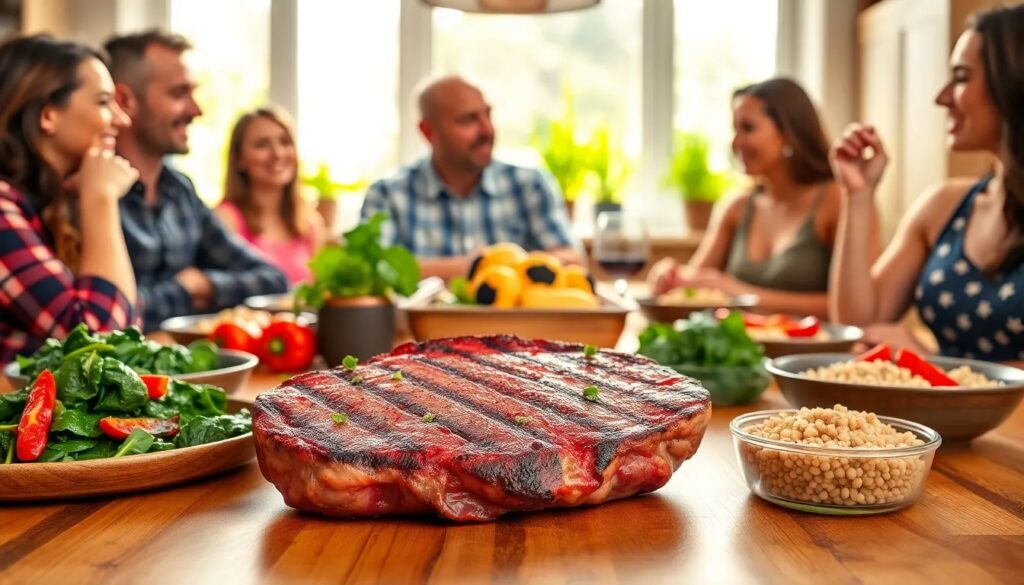
Iron is an essential nutrient that plays a critical role in numerous bodily functions, including oxygen transport and energy production. Among various dietary sources, Red meat is recognized as a significant source of iron. This article will delve into the connection between red meat and iron, exploring its types, health benefits, and dietary recommendations.
Understanding the importance of iron in our diet is crucial, especially for populations at risk of deficiency. We will explore various foods rich in iron, the implications of reducing red meat consumption, and how to optimize iron absorption.
Index
- Iron-rich foods
- Top 10 iron-rich foods
- What food is highest in iron?
- Is red meat high in iron?
- Can cutting out red meat cause iron deficiency?
- How often should you eat red meat for iron deficiency?
- Iron-rich foods for anemia
- Iron-rich foods for females
- Iron in chicken
- Iron-rich foods vegetarian
- Questions related to iron and red meat
- Questions related to red meat and iron
Iron-rich foods
There are numerous dietary sources of iron available, which can be categorized into two main types: heme and non-heme iron. Heme iron is found predominantly in animal products, while non-heme iron is primarily present in plant-based foods.
Foods that are rich in heme iron include:
 Red meat iron and its benefits for health
- Red meat (beef, lamb)
- Poultry (chicken, turkey)
- Fish and seafood (salmon, tuna)
On the other hand, non-heme iron can be found in:
- Legumes (lentils, beans)
- Nuts and seeds
- Green leafy vegetables (spinach, kale)
- Fortified cereals
Including a variety of these foods in your diet can help maintain healthy iron levels.
Top 10 iron-rich foods
Here are ten foods that are particularly high in iron content, which can help you achieve your daily intake goals:
- Beef liver
- Fortified breakfast cereals
- Clams
- Oysters
- Beef steak
- Turkey
- Legumes (especially lentils)
- Tofu
- Spinach
- Pumpkin seeds
Incorporating these foods into your meals can significantly boost your iron levels, promoting better health.
Red meat iron and its benefits for health Red meat with iron: benefits and sources
What food is highest in iron?
When it comes to food sources rich in iron, beef liver stands out as one of the highest. It contains approximately 6.2 mg of iron per ounce, making it an excellent option for those seeking to increase their iron intake.
Other foods that also rank high in iron content include clams, oysters, and fortified cereals. These foods not only provide iron but also contain other essential nutrients that benefit overall health.
It is essential to balance the intake of high-iron foods with the body's needs, ensuring adequate absorption and preventing potential deficiencies.
Is red meat high in iron?
Yes, red meat is high in iron. It contains heme iron, which is more readily absorbed by the body compared to non-heme iron found in plant sources. This makes red meat an excellent option for individuals at risk of iron deficiency.
Red meat iron and its benefits for healthRed meat with iron: benefits and sources Red meat for iron: benefits and sources
Consuming red meat can help maintain adequate iron levels, especially among populations vulnerable to anemia, such as menstruating women or those with dietary restrictions.
However, it's essential to consume red meat in moderation, as excessive intake may lead to other health concerns. Balancing red meat with other iron-rich foods can provide optimal nutritional benefits.
Can cutting out red meat cause iron deficiency?
Yes, cutting out red meat can lead to iron deficiency, particularly if no alternative iron sources are consumed. Many individuals rely on red meat as a primary source of heme iron, which is important for preventing anemia.
Without red meat, it is crucial to include other iron-rich foods in the diet, such as legumes, nuts, seeds, and fortified products. Additionally, pairing non-heme iron sources with vitamin C-rich foods can enhance absorption.
Red meat iron and its benefits for healthRed meat with iron: benefits and sourcesRed meat for iron: benefits and sources Is chicken red meat? Exploring the facts
Monitoring iron levels is essential for individuals who eliminate red meat from their diets, especially if they are not replacing it with other iron-rich options.
How often should you eat red meat for iron deficiency?
For those at risk of iron deficiency, consuming red meat two to three times a week can be beneficial. This frequency allows for adequate iron intake while maintaining a balanced diet.
It's essential to consider portion sizes and overall dietary diversity. Incorporating various sources of iron, including both heme and non-heme, can help optimize absorption and prevent deficiencies.
Incorporating lean cuts of red meat and preparing them in healthy ways can maximize the benefits while minimizing any potential health risks associated with red meat consumption.
Red meat iron and its benefits for healthRed meat with iron: benefits and sourcesRed meat for iron: benefits and sourcesIs chicken red meat? Exploring the facts Is pork white meat or red meat?
Iron-rich foods for anemia
Individuals with anemia should focus on iron-rich foods to help alleviate their condition. Foods high in heme iron such as red meat, poultry, and fish should be prioritized. Pairing these with non-heme sources, like beans and fortified cereals, can further enhance iron levels.
In addition to focusing on iron, it's vital to include foods rich in vitamin C, such as citrus fruits, bell peppers, and strawberries, as they improve non-heme iron absorption.
Always consult with a healthcare professional for personalized dietary recommendations when managing anemia.
Iron-rich foods for females
Women, particularly those who are menstruating, have higher iron needs due to blood loss during their menstrual cycle. Incorporating iron-rich foods is essential for maintaining optimal health and preventing deficiencies.
Red meat iron and its benefits for healthRed meat with iron: benefits and sourcesRed meat for iron: benefits and sourcesIs chicken red meat? Exploring the factsIs pork white meat or red meat? Symptoms of red meat allergy
Some of the best sources include:
- Red meat and poultry
- Legumes and lentils
- Spinach and other leafy greens
Additionally, pairing these sources with vitamin C-rich foods can help improve iron absorption, making it easier for women to meet their daily iron requirements.
Iron in chicken
Chicken, while not as high in iron as red meat, still provides a modest amount of heme iron. Consuming chicken can contribute to overall iron intake, especially in combination with other iron-rich foods.
Dark meat, such as chicken thighs, contains more iron than white meat, making it a better option for those seeking to increase their iron levels.
Red meat iron and its benefits for healthRed meat with iron: benefits and sourcesRed meat for iron: benefits and sourcesIs chicken red meat? Exploring the factsIs pork white meat or red meat?Symptoms of red meat allergy Is pork red or white meat?
Overall, chicken can be a valuable part of a balanced diet, particularly when combined with other sources of iron and vitamin C-rich foods to enhance absorption.
Iron-rich foods vegetarian
Vegetarians can still meet their iron needs by incorporating various non-heme iron sources into their diets. Foods rich in non-heme iron include:
- Legumes (beans, lentils)
- Nuts and seeds
- Whole grains (quinoa, brown rice)
- Dark leafy greens (kale, collard greens)
To maximize iron absorption from these sources, it's essential to consume them alongside vitamin C-rich foods. This strategy can significantly improve iron bioavailability, helping vegetarians maintain healthy iron levels.
Is red meat high in iron?
Yes, red meat is high in iron, particularly in the form of heme iron, which is more efficiently absorbed by the body. Consuming red meat can significantly contribute to daily iron requirements, especially for individuals at risk of deficiency.
Red meat iron and its benefits for healthRed meat with iron: benefits and sourcesRed meat for iron: benefits and sourcesIs chicken red meat? Exploring the factsIs pork white meat or red meat?Symptoms of red meat allergyIs pork red or white meat? Red meat allergy: symptoms and treatment
Can cutting out red meat cause iron deficiency?
Yes, eliminating red meat from your diet can lead to iron deficiency if alternative sources of iron are not included. It is important to replace red meat with other iron-rich foods and ensure a balanced diet to prevent deficiencies.
Which food is highest in iron?
Beef liver is one of the foods highest in iron content. Other high-iron foods include clams and fortified cereals, which can help meet daily iron needs effectively.
How often should you eat red meat for iron deficiency?
For those with iron deficiency, consuming red meat two to three times a week is recommended. This frequency helps to maintain healthy iron levels while also promoting a balanced diet.
If you want to know other articles similar to Red meat and iron: understanding their relationship you can visit the category Red meat and diseases: what you need to know.
Benefits of eating red meat

Red meat acid reflux: what you need to know

Processed red meat: what you need to know
Deja una respuesta

Gestionar consentimiento
Funcional Siempre activo
El almacenamiento o acceso técnico es estrictamente necesario para el propósito legítimo de permitir el uso de un servicio específico explícitamente solicitado por el abonado o usuario, o con el único propósito de llevar a cabo la transmisión de una comunicación a través de una red de comunicaciones electrónicas.
Preferencias
El almacenamiento o acceso técnico es necesario para la finalidad legítima de almacenar preferencias no solicitadas por el abonado o usuario.
Estadísticas
El almacenamiento o acceso técnico que es utilizado exclusivamente con fines estadísticos. El almacenamiento o acceso técnico que se utiliza exclusivamente con fines estadísticos anónimos. Sin un requerimiento, el cumplimiento voluntario por parte de tu proveedor de servicios de Internet, o los registros adicionales de un tercero, la información almacenada o recuperada sólo para este propósito no se puede utilizar para identificarte.
Marketing
El almacenamiento o acceso técnico es necesario para crear perfiles de usuario para enviar publicidad, o para rastrear al usuario en una web o en varias web con fines de marketing similares.
More embers