
Red meat and dementia: what you need to know

The consumption of Red meat has long been a topic of debate among health professionals. Recent studies suggest that a high intake of red meat, particularly processed varieties, may be linked to an increased risk of dementia. Understanding this connection is crucial for making informed dietary choices that promote brain health.
This article explores various aspects of red meat consumption and its effects on cognitive health, providing insights into healthier alternatives and dietary changes that may help mitigate dementia risk.
Index
- Is red meat bad for brain health?
- How does processed red meat affect dementia risk?
- What is the link between red meat and cognitive decline?
- Are there healthier alternatives to red meat?
- What are the long-term effects of red meat on cognitive function?
- How can dietary changes reduce dementia risk?
- What is the role of protein in dementia prevention?
- Exploring dietary impacts on dementia prevention
- Questions related to red meat and dementia
- Exploring questions about the connection between red meat consumption and dementia risk
Is red meat bad for brain health?
Research indicates that red meat and dementia may be more closely related than previously thought. High consumption of processed red meats has been associated with a 13% increased risk of dementia over a span of 43 years, as evidenced by studies conducted by researchers from Mass General Brigham.
Processed meats, which include bacon and hot dogs, contain additives and preservatives that may negatively impact cognitive function. These products are often high in saturated fats and sodium, both of which can contribute to chronic health issues that affect brain health.
 Benefits of eating red meat
Furthermore, the body of evidence indicates a longstanding association between red meat consumption and chronic diseases like heart disease and diabetes. These conditions are known risk factors for cognitive decline, highlighting the importance of diet in maintaining brain health.
How does processed red meat affect dementia risk?
Processed red meat and cognitive health have been linked in various studies, showing that the risks extend beyond physical health. For instance, consuming at least a quarter serving of processed red meat daily may raise dementia risk by 14% compared to those who consume little to none.
- The additives in processed meats can lead to inflammation in the body, which is a known factor in the development of dementia.
- Regular consumption of these meats may also affect the gut microbiome, potentially influencing brain health through the gut-brain axis.
- Replacing processed meats with healthier options has shown promise in reducing dementia risk significantly.
Indeed, participants who substituted processed meats with healthier protein sources, such as nuts and legumes, experienced a reduction in dementia risk of about 20%. This reinforces the idea that dietary choices can profoundly influence cognitive health.
What is the link between red meat and cognitive decline?
The link between red meat and cognitive decline is becoming clearer as more studies emerge. High levels of saturated fats in red meat can lead to the build-up of plaque in the arteries, potentially affecting blood flow to the brain. This could contribute to cognitive deterioration over time.
Benefits of eating red meat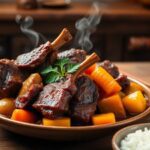 Is oxtail red meat?
Additionally, there are concerns about the role of heme iron, which is abundant in red meat. Some research suggests that excessive heme iron might contribute to oxidative stress, damaging neural cells and accelerating cognitive decline.
Furthermore, chronic diseases associated with high red meat consumption—like hypertension and diabetes—have been linked to an increased risk of developing dementia. Therefore, reducing red meat intake could be a proactive step in mitigating these risks.
Are there healthier alternatives to red meat?
When considering dietary changes, exploring healthier protein alternatives is essential. Some beneficial substitutes include:
- Nuts: High in healthy fats and antioxidants, nuts can help improve brain function.
- Legumes: Beans and lentils are excellent sources of protein and fiber, promoting overall health.
- Fish: Fatty fish like salmon are rich in omega-3 fatty acids, which are known for their neuroprotective properties.
Incorporating these alternatives into your diet can help reduce the risk associated with red meat consumption while providing essential nutrients for brain health. Making small changes can lead to significant long-term benefits.
Benefits of eating red meatIs oxtail red meat? Red meat dementia: understanding the risks
What are the long-term effects of red meat on cognitive function?
The long-term effects of red meat on cognitive function can be profound. Studies suggest that individuals who consume high amounts of red meat may experience accelerated cognitive decline compared to those who limit their intake.
Moreover, the cumulative impact of a diet high in red meat could lead to chronic inflammation, which has been implicated in various neurodegenerative diseases. The implications of these dietary patterns emphasize the need for awareness regarding long-term health.
In terms of brain function, frequent red meat consumption could heighten the risk of developing conditions such as Alzheimer's disease and other forms of dementia. Thus, monitoring red meat intake is crucial for maintaining cognitive health.
How can dietary changes reduce dementia risk?
Dietary changes play a crucial role in reducing the risk of dementia. By focusing on a balanced diet rich in fruits, vegetables, whole grains, and lean proteins, individuals can significantly improve their overall health and cognitive function.
Benefits of eating red meatIs oxtail red meat?Red meat dementia: understanding the risks Is turkey red meat or white?
Incorporating foods high in antioxidants and healthy fats can combat inflammation and oxidative stress, both of which are associated with cognitive decline. These foods may include:
- Leafy greens
- Fruits like berries and citrus
- Whole grains
- Seeds and nuts
Additionally, moderation in red meat consumption—especially processed varieties—can further reduce the risk of developing dementia. It’s essential to adopt a lifestyle that prioritizes mental well-being through mindful eating habits.
What is the role of protein in dementia prevention?
The role of protein in dementia prevention is multifaceted. While protein is essential for overall health, the source of protein can significantly impact cognitive function. Healthy proteins, such as those found in fish, poultry, legumes, and nuts, are more beneficial for brain health than red meat.
High-quality protein sources provide necessary amino acids that support neurotransmitter function and overall cognitive health. They also contribute to maintaining muscle mass, which can influence overall health as we age.
Benefits of eating red meatIs oxtail red meat?Red meat dementia: understanding the risksIs turkey red meat or white? Nutrition facts of red meat
Research indicates that diets high in healthy proteins and low in saturated fats can lead to better cognitive outcomes. Thus, choosing the right types of protein is vital in a comprehensive strategy to prevent dementia.
Exploring dietary impacts on dementia prevention
Dietary impacts on dementia prevention are significant and warrant attention. As our understanding of the relationship between food and brain health evolves, it becomes increasingly clear that our dietary choices can either increase or decrease the risk of cognitive decline.
Adopting a balanced diet that limits red meat while emphasizing whole foods can be a powerful intervention. Emphasizing foods rich in omega-3 fatty acids, antioxidants, and fiber can foster a protective environment for brain health.
Moreover, staying informed about the latest research can empower individuals to make choices that enhance their well-being and potentially stave off cognitive decline.
Benefits of eating red meatIs oxtail red meat?Red meat dementia: understanding the risksIs turkey red meat or white?Nutrition facts of red meat Red meat lamb: benefits and nutrition
Exploring questions about the connection between red meat consumption and dementia risk
Is red meat linked to dementia?
Yes, studies suggest that there is a link between red meat and dementia. High consumption of processed red meat has been associated with an increased risk of cognitive decline. Researchers have found that individuals who consume large amounts of processed meats may face a heightened risk of developing dementia as they age.
This connection emphasizes the importance of monitoring red meat intake and considering healthier alternatives to promote brain health.
What is the most common food linked to dementia?
Processed meats, such as bacon and hot dogs, are among the most common foods linked to dementia. These items often contain high levels of sodium and preservatives, which can negatively impact overall health and cognitive function.
Reducing the consumption of processed meats while focusing on whole, nutrient-rich foods is recommended for those seeking to lower their dementia risk.
Benefits of eating red meatIs oxtail red meat?Red meat dementia: understanding the risksIs turkey red meat or white?Nutrition facts of red meatRed meat lamb: benefits and nutrition Processed red meat examples
What is the best meat for dementia patients?
For dementia patients, lean meats like poultry and fish are often recommended over red meat. Fish, particularly fatty varieties rich in omega-3 fatty acids, have been shown to support brain health and cognitive function.
Incorporating lean meats and plant-based proteins can provide the necessary nutrients without the potential negative effects associated with red meat consumption.
What is the link between protein and dementia?
The link between protein and dementia revolves around the source of the protein consumed. High-quality proteins, such as those from fish, nuts, and legumes, are more beneficial for brain health compared to red meat, which may contribute to cognitive decline.
Choosing healthier protein sources can help support overall health and potentially reduce the risk of developing dementia.
Benefits of eating red meatIs oxtail red meat?Red meat dementia: understanding the risksIs turkey red meat or white?Nutrition facts of red meatRed meat lamb: benefits and nutritionProcessed red meat examples Is it bad to eat red meat every day?
If you want to know other articles similar to Red meat and dementia: what you need to know you can visit the category Red meat and diseases: what you need to know.
Benefits of eating red meat

Red meat acid reflux: what you need to know

Processed red meat: what you need to know
Deja una respuesta

Gestionar consentimiento
Funcional Siempre activo
El almacenamiento o acceso técnico es estrictamente necesario para el propósito legítimo de permitir el uso de un servicio específico explícitamente solicitado por el abonado o usuario, o con el único propósito de llevar a cabo la transmisión de una comunicación a través de una red de comunicaciones electrónicas.
Preferencias
El almacenamiento o acceso técnico es necesario para la finalidad legítima de almacenar preferencias no solicitadas por el abonado o usuario.
Estadísticas
El almacenamiento o acceso técnico que es utilizado exclusivamente con fines estadísticos. El almacenamiento o acceso técnico que se utiliza exclusivamente con fines estadísticos anónimos. Sin un requerimiento, el cumplimiento voluntario por parte de tu proveedor de servicios de Internet, o los registros adicionales de un tercero, la información almacenada o recuperada sólo para este propósito no se puede utilizar para identificarte.
Marketing
El almacenamiento o acceso técnico es necesario para crear perfiles de usuario para enviar publicidad, o para rastrear al usuario en una web o en varias web con fines de marketing similares.
More embers