
Potassium in red meat: what you need to know
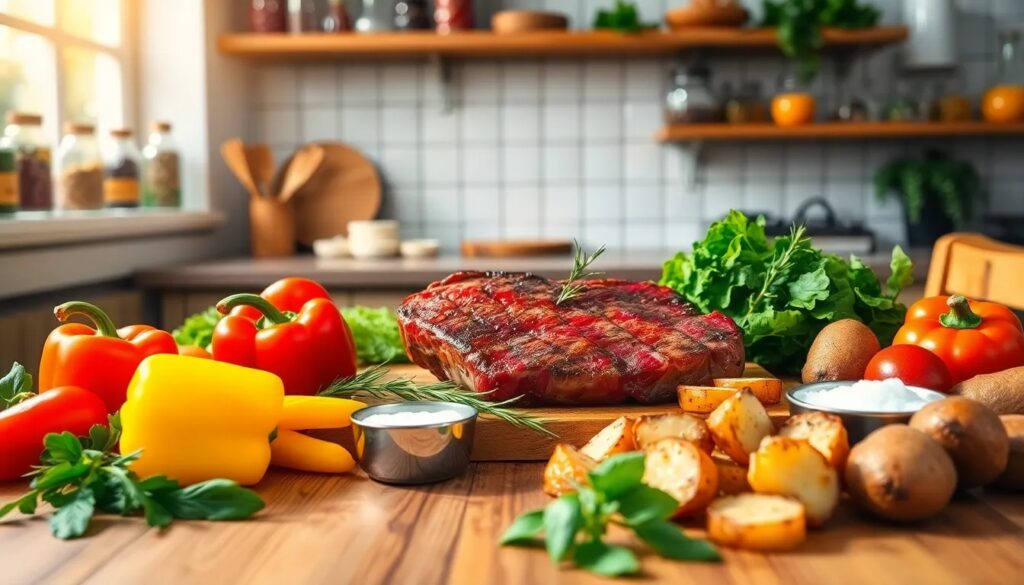
Understanding the relationship between potassium and our diet is crucial for maintaining health. Potassium in Red meat is a topic that often raises questions, especially for those looking to optimize their nutrient intake. This article explores the various foods high in potassium and their implications for health.
With potassium playing a vital role in numerous bodily functions, it's essential to identify sources and understand dietary needs. From red meat to vegetables, knowing where to find this mineral can help enhance overall wellness.
Index
- Foods high in potassium: 24 of the healthiest sources
- Which foods are rich in potassium?
- What to eat on a low potassium diet?
- How much potassium do I need?
- What are the benefits of a low-potassium diet?
- Who should follow a low-potassium diet?
- What does a low potassium daily diet look like?
- Cooking tips for a low-potassium diet
- Related questions about potassium-rich foods
- Questions related to potassium intake and dietary choices
Foods high in potassium: 24 of the healthiest sources
Many foods are rich in potassium, which supports various bodily functions, including nerve transmission and muscle contraction. Some of the best sources include:
- Bananas
- Avocados
- Sweet potatoes
- Spinach
- Potatoes
- Red meat
- Fish
- Dairy products
Red meat is an excellent source of potassium, providing essential nutrients alongside protein. A typical serving can offer around 300-400 mg of potassium, making it a valuable addition for those looking to increase their intake.
 Red meat acid reflux: what you need to know
Incorporating a variety of these foods into your diet can help ensure you meet your potassium needs. Leafy greens, beans, and legumes are also significant contributors, so consider including them in your meals.
Which foods are rich in potassium?
Potassium-rich foods encompass a wide range of options, making it easy to incorporate them into your daily meals. Here are some noteworthy sources:
- Fruits: Bananas, oranges, and cantaloupes
- Vegetables: Spinach, potatoes, and mushrooms
- Proteins: Red meat, fish, and poultry
- Dairy: Milk, yogurt, and cheese
These foods not only provide potassium but also come packed with other nutrients essential for health. Incorporating a balance of these into your diet can promote better health outcomes.
When planning meals, consider combining different potassium-rich foods to reap the benefits. For example, a spinach salad topped with grilled chicken and avocado not only tastes delicious but also boosts your potassium levels.
Red meat acid reflux: what you need to know Stuffed red snapper crab meat recipe
What to eat on a low potassium diet?
For individuals who need to manage their potassium intake, a low-potassium diet is essential. Foods to consider include:
- Apples and berries
- White bread and pasta
- Some types of fish
- Eggs and egg whites
This type of diet typically limits the consumption of high-potassium foods such as bananas, potatoes, and most red meats. It's crucial to focus on options that keep potassium levels manageable.
Additionally, consulting with a healthcare provider is recommended when planning a low-potassium diet. They can provide guidance tailored to your specific health needs, ensuring you receive adequate nutrition.
How much potassium do I need?
Generally, the recommended daily intake of potassium for adults is about 4,700 mg. However, many individuals do not meet this requirement, which can lead to various health issues.
Red meat acid reflux: what you need to knowStuffed red snapper crab meat recipe Different kinds of red meat
To achieve this intake, it's important to focus on a balanced diet rich in potassium-containing foods. Regularly incorporating sources like fruits, vegetables, and lean meats can significantly improve your intake.
Monitoring your intake can also help. Keeping a food diary or using nutritional apps may provide insights into whether you are meeting your potassium goals.
What are the benefits of a low-potassium diet?
A low-potassium diet can be beneficial for individuals with certain health conditions, particularly those related to kidney function. Some key benefits include:
- Prevention of hyperkalemia: A condition characterized by elevated potassium levels in the blood.
- Reduced risk of heart complications.
- Improved kidney health and function.
By limiting potassium intake, individuals can help manage their overall health more effectively, particularly if they are under medical supervision.
Red meat acid reflux: what you need to knowStuffed red snapper crab meat recipeDifferent kinds of red meat Red taco meat recipes
Furthermore, maintaining a low-potassium diet encourages the consumption of various low-potassium foods. This diversity can lead to a more balanced and nutrient-dense diet overall.
Who should follow a low-potassium diet?
People with specific health conditions should consider a low-potassium diet. This includes:
- Individuals with chronic kidney disease
- Those with heart disease or heart failure
- People taking certain medications that affect potassium levels
It's essential for those in these groups to consult with healthcare professionals before making any dietary changes. This ensures they receive the appropriate guidance for their health circumstances.
What does a low potassium daily diet look like?
A typical low-potassium diet focuses on carefully selected foods. For example, meals may include:
Red meat acid reflux: what you need to knowStuffed red snapper crab meat recipeDifferent kinds of red meatRed taco meat recipes How does red meat cause cancer?
- Breakfast: Oatmeal made with water, topped with berries
- Lunch: A salad with lettuce, cucumber, and grilled chicken
- Dinner: Rice with steamed green beans and a small portion of fish
These meals feature low-potassium options while still providing essential nutrients. Planning meals in advance can help individuals stay on track while managing their potassium intake.
Incorporating a variety of flavors and textures is crucial to making a low-potassium diet enjoyable. Experimenting with herbs and spices can enhance the taste of dishes without adding potassium-rich ingredients.
Cooking tips for a low-potassium diet
When following a low-potassium diet, Cooking methods matter. Here are some helpful tips:
- Boiling vegetables: This can help leach potassium into the cooking water.
- Choosing fresh produce: Frozen or canned vegetables may contain added sodium or potassium.
- Flavoring with herbs: Enhance your meals without increasing potassium levels.
By implementing these techniques, you can enjoy flavorful meals while adhering to dietary restrictions. It's important to be creative and resourceful in the kitchen!
Red meat acid reflux: what you need to knowStuffed red snapper crab meat recipeDifferent kinds of red meatRed taco meat recipesHow does red meat cause cancer? Red dye in meat: what you need to know
Additionally, consider meal prepping as a strategy. Preparing meals in advance can help ensure adherence to dietary goals while saving time during busy weeks.
Are red meats high in potassium?
Yes, red meats are high in potassium. A serving typically contains 300-400 mg of potassium, making it a significant source. However, individuals on a low-potassium diet should monitor their intake carefully.
How to get 4700 mg of potassium per day?
To reach the recommended 4,700 mg of potassium daily, focus on consuming a variety of potassium-rich foods. Integrate fruits like bananas and oranges, vegetables such as spinach and potatoes, and protein sources like beans and lean meats. Planning meals and snacks around these foods can help you achieve this goal effortlessly.
Which meat is lowest in potassium?
Poultry, such as chicken or turkey, is generally lower in potassium compared to red meat. Lean cuts and preparing them without added sauces can help keep potassium levels minimal.
Red meat acid reflux: what you need to knowStuffed red snapper crab meat recipeDifferent kinds of red meatRed taco meat recipesHow does red meat cause cancer?Red dye in meat: what you need to know Red meat consumption: what you need to know
What is the number one food high in potassium?
While there are many foods high in potassium, bananas are often considered the go-to fruit. A medium banana contains approximately 451 mg of potassium, making it a convenient choice for boosting your intake.
If you want to know other articles similar to Potassium in red meat: what you need to know you can visit the category Red meat and diseases: what you need to know.
Benefits of eating red meat

Red meat acid reflux: what you need to know

Processed red meat: what you need to know
Deja una respuesta

Gestionar consentimiento
Funcional Siempre activo
El almacenamiento o acceso técnico es estrictamente necesario para el propósito legítimo de permitir el uso de un servicio específico explícitamente solicitado por el abonado o usuario, o con el único propósito de llevar a cabo la transmisión de una comunicación a través de una red de comunicaciones electrónicas.
Preferencias
El almacenamiento o acceso técnico es necesario para la finalidad legítima de almacenar preferencias no solicitadas por el abonado o usuario.
Estadísticas
El almacenamiento o acceso técnico que es utilizado exclusivamente con fines estadísticos. El almacenamiento o acceso técnico que se utiliza exclusivamente con fines estadísticos anónimos. Sin un requerimiento, el cumplimiento voluntario por parte de tu proveedor de servicios de Internet, o los registros adicionales de un tercero, la información almacenada o recuperada sólo para este propósito no se puede utilizar para identificarte.
Marketing
El almacenamiento o acceso técnico es necesario para crear perfiles de usuario para enviar publicidad, o para rastrear al usuario en una web o en varias web con fines de marketing similares.
More embers