
Is beef liver red meat?
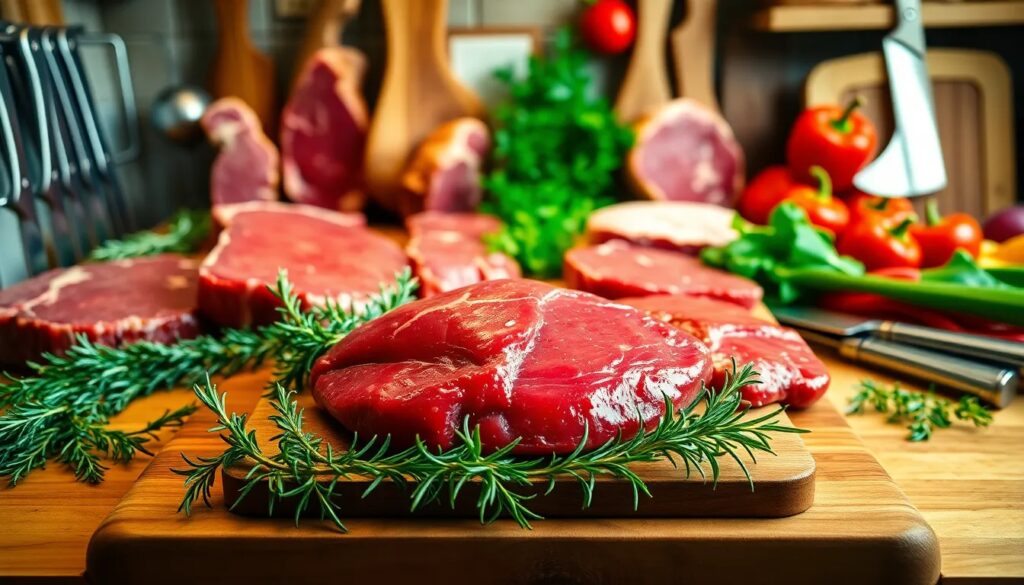
Beef liver is a nutrient-dense organ meat that packs a punch when it comes to health benefits. This superfood is rich in essential vitamins and minerals, making it a popular choice among health enthusiasts. However, the question many ask is, is beef liver Red meat? Let’s explore this and more about the nutritional profile and benefits of beef liver.
Index
- Is beef liver good for you?
- What are the benefits of beef liver?
- Is beef liver a "superfood"? What science says about its benefits
- How much beef liver should you eat per day?
- Pros and cons of eating liver
- Is beef liver good for weight loss?
- Who should not eat beef liver?
- Related questions about beef liver and its nutritional value
Is beef liver good for you?
When considering whether beef liver is good for you, it is essential to look at its impressive nutrient profile. Beef liver is loaded with vitamins and minerals, primarily vitamin A, iron, and protein. These nutrients play crucial roles in maintaining various bodily functions, including immune support and energy production.
However, moderation is key. While the health benefits of beef liver are significant, excessive consumption can lead to potential toxicity, particularly from vitamin A. It's important to balance liver intake with other nutrient sources.
For many, incorporating beef liver into their diet can enhance overall health. Being a nutrient-dense organ meat, it can contribute positively to your dietary needs when consumed appropriately.
 Red meat and white meat: differences and health impacts
What are the benefits of beef liver?
Beef liver offers a plethora of health benefits due to its rich nutritional content. Here are some key advantages:
- Rich in vitamins: Beef liver is an excellent source of vitamin A, which is vital for vision and immune health.
- High in iron: It contains significant amounts of iron, which can help prevent anemia and support blood health.
- Protein source: Beef liver provides a high-quality protein that is essential for muscle maintenance and repair.
- Low in calories: Despite its richness in nutrients, beef liver is relatively low in calories, making it a suitable option for many diets.
Incorporating beef liver into your meals can help enhance your nutrient intake. The health benefits of beef liver can significantly outweigh the risks if consumed in moderation.
Is beef liver a "superfood"? What science says about its benefits
The term "superfood" often gets thrown around when discussing nutrient-rich foods, and beef liver certainly qualifies. Scientific studies have shown that this organ meat provides an abundance of vital nutrients that support various bodily functions.
For example, the high vitamin A content in beef liver is essential for maintaining optimal vision and immune function. Moreover, the iron content can help improve energy levels and support overall health. The protein found in beef liver is not only beneficial for muscle repair but also plays a role in hormone production.
Red meat and white meat: differences and health impacts Chicken vs red meat: which is healthier?
However, while it is classified as a superfood, it is crucial to consume it within recommended limits to avoid potential toxicity issues.
How much beef liver should you eat per day?
When it comes to recommendations on liver consumption, the general guideline suggests eating 100 to 250 grams of beef liver weekly. This amount varies based on individual needs, age, and sex. For instance, pregnant individuals may need to be more cautious due to the high vitamin A content.
Consuming beef liver more than once a week is not advisable, as excessive intake can lead to vitamin A toxicity. It’s essential to listen to your body and adjust your intake based on how you feel and any health considerations.
Pros and cons of eating liver
Eating beef liver has its advantages and disadvantages. Here’s a breakdown:
Red meat and white meat: differences and health impactsChicken vs red meat: which is healthier? Ibs and red meat: what you need to know
Pros:
- Nutrient-rich
- Supports immune function
- Aids in tissue repair
- Provides high-quality protein
Cons:
- Potential vitamin A toxicity
- Strong flavor may not appeal to everyone
- Risk of antibiotic residues in conventionally raised beef
Balancing the pros and cons is essential when deciding to incorporate beef liver into your diet. The health benefits often outweigh the risks if consumed mindfully.
Is beef liver good for weight loss?
Incorporating beef liver into a weight loss plan can be beneficial due to its high protein content and low-calorie nature. Eating foods rich in protein can help keep you fuller for longer, thus potentially reducing overall calorie intake.
Red meat and white meat: differences and health impactsChicken vs red meat: which is healthier?Ibs and red meat: what you need to know White meat or red meat: which is better for you?
Additionally, the nutrients in beef liver, such as iron and B vitamins, can support metabolic processes, which are essential for effective weight management. However, it's vital to combine liver consumption with a balanced diet and regular exercise for optimal weight loss results.
Who should not eat beef liver?
While beef liver is nutritious, certain populations should exercise caution or avoid it altogether:
- Pregnant individuals: They should limit intake due to the risk of vitamin A toxicity.
- Individuals with liver issues: Those with liver conditions may find it challenging to metabolize the nutrients in liver.
- People with certain dietary restrictions: If you're following a specific diet, such as low vitamin A, consult a healthcare provider.
Always consult a healthcare professional before making significant dietary changes, especially if you have underlying health conditions.
Is liver red meat or white meat?
Liver is classified as organ meat, but when discussing the broader category, beef liver falls under the red meat category. This classification is mainly because it comes from cattle, which are considered red meat animals. The nutritional profile of organ meats like liver can vary widely compared to muscle cuts.
Red meat and white meat: differences and health impactsChicken vs red meat: which is healthier?Ibs and red meat: what you need to knowWhite meat or red meat: which is better for you? Why does red meat make me sick?
Is beef liver the same as red meat?
While beef liver is derived from cattle, it is not considered the same as red meat in culinary terms. Red meat typically refers to muscle cuts, whereas liver is an organ meat. However, both are rich in nutrients, and both share similar characteristics regarding their source.
Is beef liver healthy?
Yes, beef liver is considered healthy when consumed in moderation. It is packed with essential nutrients like vitamin A, iron, and protein, which contribute significantly to overall health. However, it’s crucial to be aware of potential risks, such as vitamin A toxicity with excessive intake.
Who should not eat beef liver?
As mentioned earlier, individuals such as pregnant women, those with liver issues, and anyone with specific dietary restrictions should avoid or limit their intake of beef liver. Consulting a healthcare provider for personalized advice is always recommended.
Red meat and white meat: differences and health impactsChicken vs red meat: which is healthier?Ibs and red meat: what you need to knowWhite meat or red meat: which is better for you?Why does red meat make me sick? Is roast beef red meat?
If you want to know other articles similar to Is beef liver red meat? you can visit the category Red meat and diseases: what you need to know.
Benefits of eating red meat

Red meat acid reflux: what you need to know

Processed red meat: what you need to know
Deja una respuesta

Gestionar consentimiento
Funcional Siempre activo
El almacenamiento o acceso técnico es estrictamente necesario para el propósito legítimo de permitir el uso de un servicio específico explícitamente solicitado por el abonado o usuario, o con el único propósito de llevar a cabo la transmisión de una comunicación a través de una red de comunicaciones electrónicas.
Preferencias
El almacenamiento o acceso técnico es necesario para la finalidad legítima de almacenar preferencias no solicitadas por el abonado o usuario.
Estadísticas
El almacenamiento o acceso técnico que es utilizado exclusivamente con fines estadísticos. El almacenamiento o acceso técnico que se utiliza exclusivamente con fines estadísticos anónimos. Sin un requerimiento, el cumplimiento voluntario por parte de tu proveedor de servicios de Internet, o los registros adicionales de un tercero, la información almacenada o recuperada sólo para este propósito no se puede utilizar para identificarte.
Marketing
El almacenamiento o acceso técnico es necesario para crear perfiles de usuario para enviar publicidad, o para rastrear al usuario en una web o en varias web con fines de marketing similares.
More embers