
How does red meat cause cancer?

Recent studies have highlighted a concerning connection between the consumption of Red meat and an increased risk of various cancers. Understanding exactly how does red meat cause cancer is critical for making informed dietary choices. This article delves into the mechanisms behind this association, focusing on different types of meat and their potential health impacts.
Index
- Red meat, processed meat and cancer
- How does red meat consumption affect cancer risk?
- What are the dangers of processed meat?
- How can I reduce my red meat intake for better health?
- What alternatives to red meat can lower cancer risk?
- Is there a safe amount of red meat to consume?
- Questions related to the risks of red meat consumption
Red meat, processed meat and cancer
Red meat, which includes beef, lamb, and pork, is often a staple in many diets. However, research indicates that its consumption may elevate the risk of developing certain cancers, particularly bowel cancer. The Cooking process of red meat can also create harmful compounds that contribute to cancer risk.
Processed meats, such as bacon, sausages, and deli meats, are even more concerning. They often contain additives like nitrites, which can form potentially carcinogenic N-nitroso compounds during digestion. This chemical transformation raises questions about the safety of consuming processed meats regularly.
Both red and processed meats are rich in heme iron, which has been linked to increased cancer risk. The metabolism of heme iron can produce free radicals that may damage cellular DNA, a precursor to cancer development. Research suggests that the consumption of these meats should be limited to reduce health risks.
 Red dye in meat: what you need to know
How does red meat consumption affect cancer risk?
Studies have shown that there is a significant link between red meat consumption and an elevated risk of various cancers, particularly colorectal cancer. Regular intake of red meat, especially in large quantities, can lead to a higher likelihood of developing this type of cancer.
One reason for this increased risk is the presence of harmful compounds formed when red meat is cooked at high temperatures, such as heterocyclic amines and polycyclic aromatic hydrocarbons. These substances can cause genetic mutations that lead to cancer.
The Cancer Council recommends that individuals limit their red meat intake to no more than one serving per day to minimize these risks. While red meat can be a good source of protein, balancing it with other protein sources is essential for maintaining a healthy diet.
What are the dangers of processed meat?
Processed meats pose significant health risks due to their content and the way they are manufactured. Many processed meats contain high levels of sodium and preservatives, which can contribute to heart disease and other health issues. Additionally, the presence of nitrites and nitrates can lead to the formation of carcinogenic compounds during digestion.
Red dye in meat: what you need to know Red meat consumption: what you need to know
- Increased cancer risk: Regular consumption of processed meats has been linked to higher rates of bowel cancer.
- Heart health: High sodium levels in processed meats can lead to hypertension and cardiovascular problems.
- Weight gain: Processed meats are often calorie-dense and can contribute to obesity, a known risk factor for multiple cancers.
Furthermore, the World Health Organization has classified processed meats as a Group 1 carcinogen, meaning there is sufficient evidence to indicate that they cause cancer in humans. For these reasons, it is advisable to limit processed meat intake in favor of healthier protein options.
How can I reduce my red meat intake for better health?
Reducing red meat consumption can be a simple yet effective way to promote better health and lower cancer risks. Here are some strategies to help decrease your intake:
- Incorporate plant-based proteins: Foods like beans, lentils, and chickpeas can provide essential nutrients without the harmful effects associated with red meat.
- Choose lean cuts: If you do consume red meat, selecting leaner cuts can help minimize fat and calorie intake.
- Practice portion control: Reducing the size of your meat servings can help lower overall consumption.
- Explore meat alternatives: Consider plant-based meat substitutes that offer similar textures and flavors without the associated health risks.
By implementing these strategies, you can significantly lower your red meat intake and potentially enhance your overall health while decreasing cancer risk.
What alternatives to red meat can lower cancer risk?
There are numerous alternatives to red meat that can still provide essential nutrients while minimizing cancer risks. Some of the best options include:
Red dye in meat: what you need to knowRed meat consumption: what you need to know Why is red meat carcinogenic?
- Poultry: Chicken and turkey are lean sources of protein that are generally considered healthier than red meat.
- Fish: Rich in omega-3 fatty acids, fish can support heart health and may lower inflammation.
- Plant-based options: Foods such as tofu, tempeh, and seitan can offer protein without the risks associated with red meat consumption.
- Legumes: Beans and lentils are excellent protein sources and are high in fiber, which is beneficial for digestive health.
Including these alternatives in your diet can help maintain nutritional balance while reducing the potential risks associated with red meat consumption.
Is there a safe amount of red meat to consume?
Determining a "safe" amount of red meat can vary depending on individual health factors and dietary preferences. However, general recommendations suggest limiting red meat intake to no more than one serving per day. A serving size is typically around 3-4 ounces.
It is important to consider the type of meat being consumed as well. Lean cuts with minimal processing are generally safer choices compared to fatty or processed meats. Additionally, varying your protein sources can further mitigate risks associated with red meat consumption.
Listening to your body's cues and maintaining a balanced diet will ultimately guide you in determining what works best for your health. Regular check-ups and consulting healthcare professionals can provide personalized advice based on your dietary needs.
Red dye in meat: what you need to knowRed meat consumption: what you need to knowWhy is red meat carcinogenic?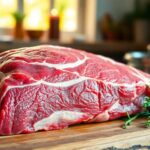 Understanding red meat fat and its impact on health
Why does red meat increase cancer risk?
The connection between red meat and cancer risk is multifaceted. One primary factor is the presence of heme iron, which can produce free radicals when metabolized, leading to DNA damage over time. Additionally, cooking methods that involve high temperatures can create harmful compounds, such as heterocyclic amines, which have been linked to cancer development.
Furthermore, processed meats often contain additives like nitrites, which can convert into carcinogenic compounds in the body. These factors combined contribute significantly to the increased cancer risk associated with red meat consumption.
Is red meat actually harmful?
While red meat is a source of vital nutrients like protein, iron, and B vitamins, its potential harms cannot be overlooked. Numerous studies indicate a clear link between high consumption of red meat and an increased risk of various cancers, particularly bowel cancer.
However, moderation is key. Consuming red meat in limited quantities and opting for leaner cuts can help mitigate these risks. It's essential to balance your diet with plenty of fruits, vegetables, and whole grains to promote overall health.
Red dye in meat: what you need to knowRed meat consumption: what you need to knowWhy is red meat carcinogenic?Understanding red meat fat and its impact on health Red meat and prostate cancer: what you should know
Does red meat stay in your colon for years?
There is a common misconception that undigested red meat can remain in the colon for an extended period. In reality, the digestive process breaks down meat fairly quickly, usually within a day or two. However, consuming excessive amounts of red meat can lead to changes in gut microbiota and other digestive issues.
While red meat does not literally "stay" in the colon for years, a diet high in red meat can contribute to increased risks of colorectal cancer. Thus, limiting intake and ensuring a balanced diet is crucial for digestive health.
What is the biggest cause of cancer?
Cancer is a complex disease with multiple contributing factors. Among lifestyle choices, tobacco use remains the leading cause of cancer, followed closely by poor dietary habits, physical inactivity, and obesity. High consumption of processed foods and red meat has also been linked to increased cancer risks.
Genetic predisposition and environmental exposures, such as pollution, further complicate the landscape of cancer causes. Understanding these factors can help guide healthy lifestyle choices that may reduce the overall risk of developing cancer.
Red dye in meat: what you need to knowRed meat consumption: what you need to knowWhy is red meat carcinogenic?Understanding red meat fat and its impact on healthRed meat and prostate cancer: what you should know Is salmon considered red meat?
If you want to know other articles similar to How does red meat cause cancer? you can visit the category Red meat and diseases: what you need to know.
Benefits of eating red meat

Red meat acid reflux: what you need to know

Processed red meat: what you need to know
Deja una respuesta

Gestionar consentimiento
Funcional Siempre activo
El almacenamiento o acceso técnico es estrictamente necesario para el propósito legítimo de permitir el uso de un servicio específico explícitamente solicitado por el abonado o usuario, o con el único propósito de llevar a cabo la transmisión de una comunicación a través de una red de comunicaciones electrónicas.
Preferencias
El almacenamiento o acceso técnico es necesario para la finalidad legítima de almacenar preferencias no solicitadas por el abonado o usuario.
Estadísticas
El almacenamiento o acceso técnico que es utilizado exclusivamente con fines estadísticos. El almacenamiento o acceso técnico que se utiliza exclusivamente con fines estadísticos anónimos. Sin un requerimiento, el cumplimiento voluntario por parte de tu proveedor de servicios de Internet, o los registros adicionales de un tercero, la información almacenada o recuperada sólo para este propósito no se puede utilizar para identificarte.
Marketing
El almacenamiento o acceso técnico es necesario para crear perfiles de usuario para enviar publicidad, o para rastrear al usuario en una web o en varias web con fines de marketing similares.
More embers