
Calories in red meat: what you need to know
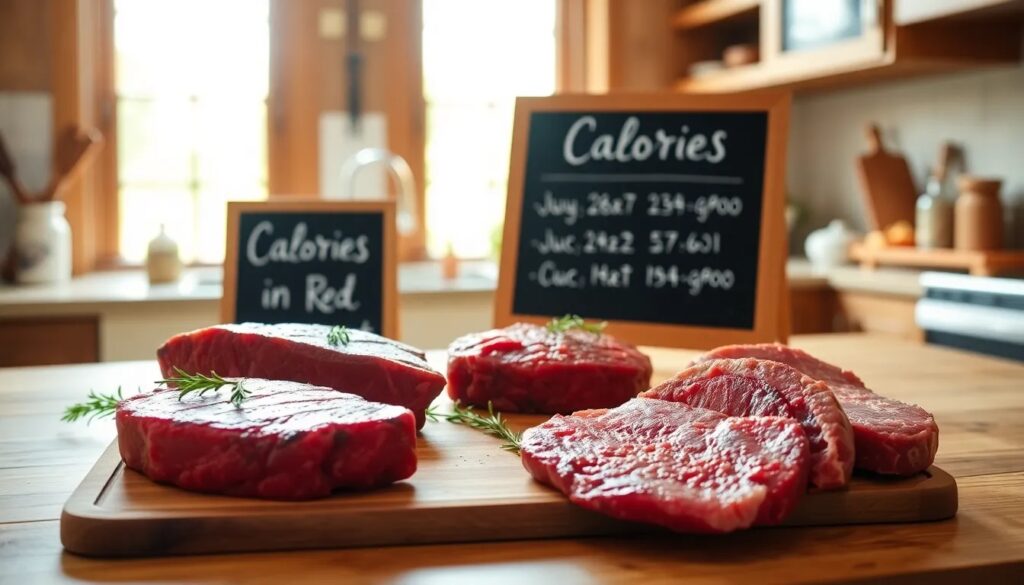
Red meat, particularly beef and lamb, is a staple in many diets worldwide. Understanding the calories in red meat is essential for making informed dietary choices. This article explores the nutritional value of red meat, its health implications, and how various factors influence its caloric content.
Index
- How many calories are in red meat?
- What are the nutritional benefits of red meat?
- How does cooking method affect calories in red meat?
- What are the health risks associated with excessive red meat consumption?
- How do lean cuts of red meat compare to fatty cuts?
- What is the impact of red meat on muscle growth and recovery?
- Related questions about red meat consumption
How many calories are in red meat?
The caloric content of red meat can vary significantly based on the cut and preparation method. On average, red meat contains about 250 to 300 calories per 100 grams. This variation is essential for those monitoring their calorie intake. For example, a lean cut like sirloin may have fewer calories compared to a fatty cut such as ribeye.
Moreover, factors like Cooking method can also affect the final calorie count. Grilling or roasting may yield different results compared to frying, which often adds additional calories due to the oil used.
In practical terms, knowing the calories in red meat can help individuals balance their meals. When consuming red meat, it's essential to pair it with vegetables and whole grains to create a well-rounded diet.
 Red meat constipation: what you need to know
What are the nutritional benefits of red meat?
Red meat is a potent source of several vital nutrients. Here are some key benefits:
- High in protein: Red meat is an excellent source of high-quality protein, crucial for muscle development and repair.
- Rich in essential vitamins: It provides significant amounts of vitamin B12, which is vital for nerve function and the production of DNA.
- Loaded with minerals: Red meat is also rich in iron, zinc, and selenium, all of which play critical roles in bodily functions.
Incorporating moderate amounts of red meat into your diet can boost overall nutrition. However, balancing it with plant-based foods is vital to ensure a well-rounded intake of nutrients.
How does cooking method affect calories in red meat?
The method used to cook red meat can significantly influence its calorie content. Here are some common cooking methods and their impacts:
- Grilling: This method often allows fat to drip away, resulting in lower calorie content.
- Roasting: Similar to grilling, roasting can yield a flavorful meat without adding extra calories.
- Frying: This method can drastically increase calorie content due to the oil absorbed during cooking.
Understanding how cooking methods affect calorie counts is crucial for those watching their dietary intake. Opting for healthier cooking methods can help maintain a balanced diet while enjoying red meat.
Red meat constipation: what you need to know Red wine and meat pairing guide
What are the health risks associated with excessive red meat consumption?
While red meat offers nutritional benefits, excessive consumption can lead to significant health risks. Research has linked high red meat intake to several conditions, including:
- Heart disease: A diet high in saturated fats and cholesterol can elevate the risk of heart problems.
- Certain cancers: Studies suggest a correlation between red meat consumption and increased cancer risk, particularly colorectal cancer.
- Diabetes: High intake of processed red meats has been associated with a greater risk of type 2 diabetes.
Moderation is key. Balancing red meat with other protein sources, such as chicken, turkey, and plant-based options, can contribute to better health outcomes.
How do lean cuts of red meat compare to fatty cuts?
When considering red meat, the cut you choose can make a significant difference in caloric and nutritional content. Lean cuts, such as tenderloin, typically contain lower fat and fewer calories compared to fatty cuts like brisket or ribeye.
For instance, 100 grams of lean beef can contain approximately 200 to 250 calories, while the same amount of a fatty cut could range from 300 to 400 calories. This disparity highlights the importance of selecting lean cuts for those monitoring their calorie intake.
Red meat constipation: what you need to knowRed wine and meat pairing guide Can pregnant women eat red meat?
In addition to being lower in calories, lean cuts are often higher in nutrients like iron and protein, making them a better choice for health-conscious individuals.
What is the impact of red meat on muscle growth and recovery?
Red meat is often heralded as a powerhouse for muscle development. Its high protein content makes it ideal for those engaged in strength training and physical activity. The protein in red meat contains essential amino acids necessary for muscle repair and growth.
Moreover, red meat is a rich source of iron, which is crucial for oxygen transport in the body. Adequate levels of iron can enhance athletic performance and recovery. A diet that includes red meat can support the energy demands of active individuals, facilitating improved performance and recovery times.
However, it's essential to balance red meat consumption with other nutrient-dense foods to ensure a comprehensive approach to nutrition and recovery.
Red meat constipation: what you need to knowRed wine and meat pairing guideCan pregnant women eat red meat? Deer meat red meat: health benefits and comparisons
How many calories are in 4 oz of red meat?
In 4 ounces of red meat, you can expect to find approximately 200 to 300 calories, depending on the cut and cooking method. Lean cuts will be on the lower end of this range, while fatty cuts may reach higher calorie counts. Monitoring portion sizes is vital when incorporating red meat into your diet.
How many calories are in 8 ounces of red meat?
For 8 ounces of red meat, the calorie count typically ranges between 400 to 600 calories. Again, this will depend on factors such as the cut and preparation method. Being mindful of how much red meat you consume at a time can help you manage your overall calorie intake effectively.
Is red meat okay for weight loss?
Red meat can be part of a weight loss plan if consumed in moderation. It provides essential nutrients and protein, which can help maintain muscle mass while losing weight. The key is to opt for lean cuts and balance your diet with plenty of vegetables and whole grains.
How many calories are in 100g of red meat?
In 100 grams of red meat, the caloric content can range from 250 to 300 calories. Lean cuts are on the lower side, while fatty cuts can contain significantly more calories. Understanding these values aids in making informed dietary choices.
Red meat constipation: what you need to knowRed wine and meat pairing guideCan pregnant women eat red meat?Deer meat red meat: health benefits and comparisons Mexican red meat options and recipes
This article has provided a comprehensive overview of the calories in red meat and its nutritional implications. By making informed choices regarding cuts and cooking methods, individuals can enjoy the benefits of red meat while minimizing potential health risks.
If you want to know other articles similar to Calories in red meat: what you need to know you can visit the category Red meat and diseases: what you need to know.
Benefits of eating red meat

Red meat acid reflux: what you need to know

Processed red meat: what you need to know
Deja una respuesta

Gestionar consentimiento
Funcional Siempre activo
El almacenamiento o acceso técnico es estrictamente necesario para el propósito legítimo de permitir el uso de un servicio específico explícitamente solicitado por el abonado o usuario, o con el único propósito de llevar a cabo la transmisión de una comunicación a través de una red de comunicaciones electrónicas.
Preferencias
El almacenamiento o acceso técnico es necesario para la finalidad legítima de almacenar preferencias no solicitadas por el abonado o usuario.
Estadísticas
El almacenamiento o acceso técnico que es utilizado exclusivamente con fines estadísticos. El almacenamiento o acceso técnico que se utiliza exclusivamente con fines estadísticos anónimos. Sin un requerimiento, el cumplimiento voluntario por parte de tu proveedor de servicios de Internet, o los registros adicionales de un tercero, la información almacenada o recuperada sólo para este propósito no se puede utilizar para identificarte.
Marketing
El almacenamiento o acceso técnico es necesario para crear perfiles de usuario para enviar publicidad, o para rastrear al usuario en una web o en varias web con fines de marketing similares.
More embers