
Grass fed red meat: benefits and nutrition
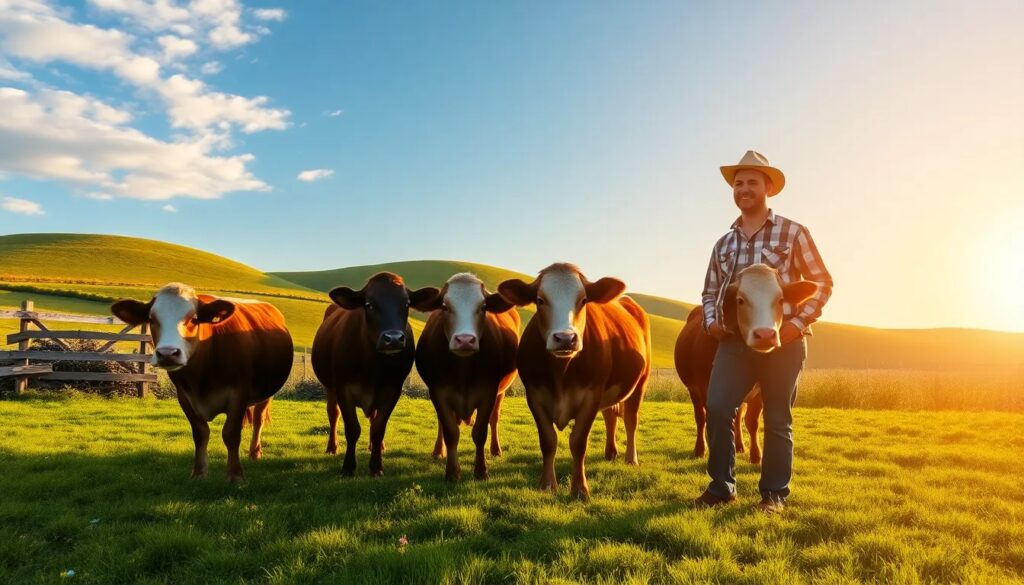
Grass-fed Red meat has gained recognition for its potential health benefits and superior nutritional profile. As consumers become more health-conscious, understanding the differences between grass-fed and grain-fed beef is essential. This article explores the various aspects of grass-fed red meat, including its nutritional advantages, health impacts, and considerations for consumers.
Index
- 100% grass-fed beef
- Grass-fed beef: is it good for you?
- The heart-health benefits of grass-fed beef
- Should you eat grass-fed beef? 3 benefits
- What is the difference between grass-fed and grass-finished beef?
- Buy 100% grassfed beef online
- What are the disadvantages of grass-fed beef?
- Is grass-fed beef better for cholesterol?
- Related questions about grass-fed red meat
100% grass-fed beef
100% grass-fed beef comes from cattle that are raised on a diet entirely composed of grass and forage. This dietary practice enhances the quality of the meat, making it a popular choice among health enthusiasts. Grass-fed red meat tends to be leaner and has a more robust flavor compared to conventional beef.
When cattle are allowed to graze freely, they develop a healthier fat composition. This includes higher levels of omega-3 fatty acids and essential vitamins, which contribute to their overall wellbeing. Many consumers prefer 100% grass-fed beef due to its perceived health benefits and ethical considerations regarding animal welfare.
It's important for consumers to look for USDA certified grass-fed beef labels when purchasing this type of meat. This certification ensures that the beef meets specific standards for grass-fed practices, providing reassurance regarding its quality and nutritional value.
 No meat red beans and rice recipe
Grass-fed beef: is it good for you?
Many studies indicate that grass-fed beef can be beneficial for health. It is generally lower in total fat and calories compared to grain-fed beef. Additionally, it is rich in antioxidants, helping combat oxidative stress in the body.
The health benefits of grass-fed beef also extend to its favorable omega-6 to omega-3 ratio. This balance is crucial for reducing inflammation and promoting heart health. Furthermore, grass-fed beef is a good source of conjugated linoleic acid (CLA), which has been linked to weight management and improved metabolic health.
However, while grass-fed beef offers numerous benefits, moderation is key. It is still important to consider portion sizes and overall dietary patterns to maintain a balanced diet. Consulting with a healthcare professional can provide personalized dietary guidance.
The heart-health benefits of grass-fed beef
Research suggests that grass-fed beef may be beneficial for heart health. The higher levels of omega-3 fatty acids found in grass-fed meat can help lower triglyceride levels and improve overall cardiovascular health. This is particularly relevant for individuals at risk of heart disease.
No meat red beans and rice recipe Recipes without red meat for every occasion
Additionally, grass-fed beef contains less saturated fat than its grain-fed counterpart. This is important because excessive saturated fat consumption can lead to higher cholesterol levels, increasing heart disease risk. By including grass-fed red meat in a balanced diet, individuals can enjoy the flavor while supporting their heart health.
Moreover, the presence of beneficial vitamins and minerals, such as vitamin E and beta-carotene, enhances the nutritional value of grass-fed beef. These components act as antioxidants, further protecting against heart disease.
Should you eat grass-fed beef? 3 benefits
- Improved Nutritional Profile: Grass-fed beef is richer in nutrients, including vitamins and minerals that contribute to overall health.
- Better Fat Composition: The meat contains healthier fats, including omega-3 fatty acids, which support heart health.
- Ethical and Environmental Considerations: Choosing grass-fed beef often aligns with sustainable farming practices and animal welfare standards.
Ultimately, incorporating grass-fed beef into your diet can be a rewarding choice, both for health reasons and ethical considerations. It is essential to balance this with other protein sources and maintain a diverse diet.
What is the difference between grass-fed and grass-finished beef?
The terms grass-fed and grass-finished beef are sometimes used interchangeably, but they refer to different practices. Grass-fed beef means the cattle were primarily raised on grass, while grass-finished indicates that the cattle were exclusively fed grass during the final stages of their growth.
No meat red beans and rice recipeRecipes without red meat for every occasion Mexican red meat marinade recipes
Grass-finished beef typically has a higher omega-3 content and a more nuanced flavor due to the consistent diet of forage. In contrast, some grass-fed cattle may have been finished on grain, which can alter their fat profile and overall taste. Therefore, consumers seeking the highest quality and nutritional benefits should look for beef labeled as both grass-fed and grass-finished.
Understanding these distinctions helps consumers make informed choices about the types of beef they include in their diets, particularly when considering grass-fed red meat options.
Buy 100% grassfed beef online
Purchasing 100% grass-fed beef online has never been easier. Numerous retailers specialize in sustainable and ethically raised meats, offering a variety of cuts to suit your Cooking needs. Many of these vendors provide detailed information about the sourcing and farming practices used in their products.
When buying online, it is crucial to check for certifications, such as USDA grass-fed labels, to ensure the quality of the meat. Additionally, reading customer reviews can provide insights into the flavor and tenderness of the beef.
No meat red beans and rice recipeRecipes without red meat for every occasionMexican red meat marinade recipes Turkey meat red: what you should know
Many online retailers also emphasize direct shipping, ensuring that the meat arrives fresh and well-packaged. This convenience allows consumers to enjoy high-quality grass-fed beef without the need for a trip to the grocery store.
What are the disadvantages of grass-fed beef?
Despite its numerous benefits, there are some disadvantages to consider regarding grass-fed beef. One notable factor is the cost, as grass-fed beef tends to be more expensive than grain-fed options. This price difference can make it less accessible for some consumers.
Another consideration is the potential for variations in taste and texture. Some individuals may find that grass-fed beef has a different flavor profile, which might not appeal to everyone's palate. This can be attributed to the cattle's diet and their growing environment.
Additionally, while grass-fed beef is generally lower in fat, it may still contain saturated fats. Therefore, moderation is essential, especially for individuals with specific dietary restrictions or health concerns. Consulting with a healthcare provider can help navigate these considerations.
No meat red beans and rice recipeRecipes without red meat for every occasionMexican red meat marinade recipesTurkey meat red: what you should know What classifies as red meat
Is grass-fed beef better for cholesterol?
Grass-fed beef can contribute positively to cholesterol levels. Studies indicate that it has a more favorable fat profile, including a higher ratio of omega-3 to omega-6 fatty acids. This balance is essential for managing cholesterol levels and reducing inflammation in the body.
Moreover, the lower saturated fat content in grass-fed beef is beneficial for individuals concerned about cardiovascular health. By incorporating grass-fed red meat into a balanced diet, consumers may experience improvements in their cholesterol levels over time.
However, it's important to remember that overall dietary patterns play a significant role in cholesterol management. A diet rich in fruits, vegetables, whole grains, and healthy fats, alongside moderate consumption of grass-fed beef, can yield the best results.
Is grass-fed red meat healthy?
Yes, grass-fed red meat can be considered healthy due to its enhanced nutritional profile. It is lower in fat and calories while being rich in essential nutrients. Additionally, the higher levels of omega-3 fatty acids present in grass-fed beef contribute to its health benefits.
No meat red beans and rice recipeRecipes without red meat for every occasionMexican red meat marinade recipesTurkey meat red: what you should knowWhat classifies as red meat Cut out red meat for better health
What is the healthiest red meat to eat?
The healthiest red meat option is generally grass-fed beef. It provides a better balance of healthy fats, vitamins, and minerals compared to grain-fed alternatives. Its lower-fat content can also help support a heart-healthy diet.
What are the disadvantages of grass-fed meat?
Some disadvantages of grass-fed meat include a higher price point and potential variations in taste. Additionally, while it is generally lower in fat, it can still contain saturated fats, necessitating moderation in consumption.
Is any beef 100% grass-fed?
Yes, some beef is labeled as 100% grass-fed. It is essential to look for USDA certification or similar labels to confirm that the beef has been raised exclusively on grass and forage throughout its life.
No meat red beans and rice recipeRecipes without red meat for every occasionMexican red meat marinade recipesTurkey meat red: what you should knowWhat classifies as red meatCut out red meat for better health Raw red meat: safety and considerations
If you want to know other articles similar to Grass fed red meat: benefits and nutrition you can visit the category Red meat alternatives for a healthier diet.


Deja una respuesta

Gestionar consentimiento
Funcional Siempre activo
El almacenamiento o acceso técnico es estrictamente necesario para el propósito legítimo de permitir el uso de un servicio específico explícitamente solicitado por el abonado o usuario, o con el único propósito de llevar a cabo la transmisión de una comunicación a través de una red de comunicaciones electrónicas.
Preferencias
El almacenamiento o acceso técnico es necesario para la finalidad legítima de almacenar preferencias no solicitadas por el abonado o usuario.
Estadísticas
El almacenamiento o acceso técnico que es utilizado exclusivamente con fines estadísticos. El almacenamiento o acceso técnico que se utiliza exclusivamente con fines estadísticos anónimos. Sin un requerimiento, el cumplimiento voluntario por parte de tu proveedor de servicios de Internet, o los registros adicionales de un tercero, la información almacenada o recuperada sólo para este propósito no se puede utilizar para identificarte.
Marketing
El almacenamiento o acceso técnico es necesario para crear perfiles de usuario para enviar publicidad, o para rastrear al usuario en una web o en varias web con fines de marketing similares.
More embers