
Cut out red meat for better health

Reducing Red meat consumption can have significant implications for both your health and the environment. Many individuals are exploring the idea of a cut out red meat lifestyle, which often leads to a variety of benefits, from improved health to a lower carbon footprint. This article will delve into what happens when you make the choice to eliminate red meat from your diet.
Index
- How does cutting out red meat benefit your health?
- What are the environmental impacts of red meat consumption?
- What types of meat should you avoid?
- How can you start reducing red meat in your diet?
- What healthy alternatives can replace red meat?
- Are there any side effects of not eating red meat?
- What changes can you expect in your body when you stop eating red meat?
- Related questions about cutting out red meat
How does cutting out red meat benefit your health?
Cutting out red meat can lead to various health improvements. Numerous studies have indicated that reducing red meat consumption, particularly processed varieties, can lower the risk of chronic diseases. By focusing on a diet rich in fruits, vegetables, and whole grains, individuals often experience improved digestion and increased energy levels.
One of the most significant health benefits is the reduction in the risk of heart disease. Red meat is often high in saturated fats, which can contribute to heart problems. By switching to healthier alternatives, like plant-based proteins, you not only improve your heart health but also aid in weight management.
Moreover, a cut out red meat for better health approach supports the body's inflammatory response. Many people notice a decrease in inflammation-related issues, such as arthritis or other conditions. Incorporating more fiber-rich foods can further enhance gut health, making you feel better overall.
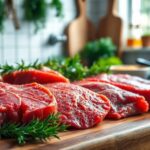 Raw red meat: safety and considerations
What are the environmental impacts of red meat consumption?
The environmental impact of red meat consumption is a growing concern. Livestock production is a major contributor to greenhouse gas emissions, particularly methane. By choosing to cut out red meat, you can significantly reduce your carbon footprint.
Some of the environmental consequences of red meat production include:
- Deforestation for grazing lands and feed crops.
- Water depletion due to the high water usage of cattle farming.
- Soil degradation from overgrazing and farming practices.
Transitioning to a plant-based diet can lead to a more sustainable food system. Fewer resources are required to produce plant foods compared to red meat. By reducing your meat consumption, you contribute to a healthier planet.
What types of meat should you avoid?
When considering which meats to avoid, it’s essential to focus on those that are typically high in saturated fats and linked to health risks. Here are the primary types of meat to consider avoiding:
Raw red meat: safety and considerations Lamb chops red meat: everything you need to know
- Red meats such as beef, lamb, and pork.
- Processed meats like bacon, sausages, and hot dogs.
- Meats with high-fat content or those that are heavily salted.
Avoiding these types of meats can help minimize health risks and promote a more balanced diet. Choosing leaner options or plant-based substitutes can be beneficial for both your health and the environment.
How can you start reducing red meat in your diet?
Starting to cut out red meat can be a gradual process. Here are some effective strategies:
1. Begin with meatless days: Designate one or two days a week as meatless. This practice can be a simple yet effective way to reduce your intake.
2. Explore alternatives: Discover new protein sources such as beans, lentils, and tofu. Experimenting with meatless recipes can make the transition enjoyable.
3. Gradually reduce portion sizes: Instead of eliminating red meat completely from your diet, focus on decreasing the amount you consume in each meal.
4. Incorporate more plant foods: Add more fruits, vegetables, and whole grains to your meals to enhance nutritional value.
By making small changes, you can create a sustainable path towards reducing red meat in your diet without feeling deprived.
Raw red meat: safety and considerationsLamb chops red meat: everything you need to know Why is duck meat red?
What healthy alternatives can replace red meat?
There are numerous healthy alternatives that can effectively replace red meat in your meals. Here are some excellent options:
- Legumes: Beans, lentils, and chickpeas are rich in protein and fiber.
- Tofu and tempeh: These soy-based products are versatile and absorb flavors well.
- Fish and poultry: If you're not ready to go fully plant-based, consider lean meats like chicken or fish as healthier options.
- Quinoa and other whole grains: These provide essential amino acids and can be used in various dishes.
Integrating these alternatives can help maintain a balanced diet while ensuring you receive essential nutrients.
Are there any side effects of not eating red meat?
While many people find benefits from cutting out red meat, there can be potential side effects. Some individuals may initially experience:
1. Nutritional deficiencies: Red meat is a significant source of iron and vitamin B12. If you cut out red meat, it’s crucial to supplement these nutrients through other sources or consider supplements.
2. Digestive changes: A sudden increase in fiber-rich foods can lead to digestive discomfort for some people. It’s advisable to increase fiber intake gradually.
3. Mood swings: Some may experience mood swings or fatigue if they do not compensate for the protein and iron usually obtained from red meat.
Raw red meat: safety and considerationsLamb chops red meat: everything you need to knowWhy is duck meat red? Is chorizo red meat?
Being mindful of these potential challenges can help you maintain a balanced diet as you adjust your eating habits.
What changes can you expect in your body when you stop eating red meat?
When you eliminate red meat from your diet, your body may undergo various positive changes:
1. Improved energy levels: Many people report increased energy and vitality after adopting a plant-based diet. This boost can enhance overall productivity and mood.
2. Better digestive health: A diet rich in fiber promotes healthy digestion, leading to improved gut health and regularity.
3. Weight management: Reducing red meat can lead to lower calorie intake, aiding in weight loss or maintenance efforts.
Ultimately, the benefits of cutting out red meat extend beyond physical changes, impacting your overall lifestyle and well-being.
Raw red meat: safety and considerationsLamb chops red meat: everything you need to knowWhy is duck meat red?Is chorizo red meat? Red fajita meat recipes and tips
Is it healthy to cut out red meat?
Yes, cutting out red meat can be healthy, especially if it leads to a balanced diet rich in plant-based foods. Many health organizations suggest that reducing red meat intake can lower the risks of certain diseases, including heart disease and certain cancers. Ensuring you get adequate nutrients from alternative sources is essential for overall health.
What happens if you suddenly stop eating red meat?
If you suddenly stop eating red meat, you may experience some initial changes in your body. These can include digestive changes as your body adjusts to a higher fiber intake from plant foods. It’s also possible to feel a dip in energy levels if you don’t adequately compensate for nutrients like iron and protein. Gradually reducing red meat intake can help ease this transition.
How much weight can you lose by cutting out red meat?
The amount of weight you can lose by cutting out red meat varies by individual and depends on your overall diet and lifestyle. However, many people find that reducing calorie-dense foods like red meat can lead to weight loss, especially when replaced with lower-calorie plant-based options. A well-balanced approach is key to achieving sustainable weight loss.
At what age should one stop eating red meat?
There’s no specific age at which one should stop eating red meat, as it largely depends on individual health, dietary preferences, and nutritional needs. However, many health experts recommend reducing red meat consumption as people age, especially due to increased risks of certain diseases. It's essential to evaluate personal health needs and consult a healthcare professional for tailored advice.
Raw red meat: safety and considerationsLamb chops red meat: everything you need to knowWhy is duck meat red?Is chorizo red meat?Red fajita meat recipes and tips Red meat kidney stones: what you need to know
If you want to know other articles similar to Cut out red meat for better health you can visit the category Red meat alternatives for a healthier diet.


Deja una respuesta

Gestionar consentimiento
Funcional Siempre activo
El almacenamiento o acceso técnico es estrictamente necesario para el propósito legítimo de permitir el uso de un servicio específico explícitamente solicitado por el abonado o usuario, o con el único propósito de llevar a cabo la transmisión de una comunicación a través de una red de comunicaciones electrónicas.
Preferencias
El almacenamiento o acceso técnico es necesario para la finalidad legítima de almacenar preferencias no solicitadas por el abonado o usuario.
Estadísticas
El almacenamiento o acceso técnico que es utilizado exclusivamente con fines estadísticos. El almacenamiento o acceso técnico que se utiliza exclusivamente con fines estadísticos anónimos. Sin un requerimiento, el cumplimiento voluntario por parte de tu proveedor de servicios de Internet, o los registros adicionales de un tercero, la información almacenada o recuperada sólo para este propósito no se puede utilizar para identificarte.
Marketing
El almacenamiento o acceso técnico es necesario para crear perfiles de usuario para enviar publicidad, o para rastrear al usuario en una web o en varias web con fines de marketing similares.
More embers