
Diarrhea after eating red meat: causes and solutions

Experiencing diarrhea after eating Red meat can be both uncomfortable and concerning. Understanding the reasons behind this digestive reaction is crucial for managing your dietary choices and health. In this article, we will explore the various causes and symptoms associated with this condition, as well as possible remedies.
Red meat, while a source of protein and essential nutrients, can sometimes lead to digestive issues. Factors such as food intolerances, allergies, and even conditions like irritable bowel syndrome (IBS) may be at play. Let's delve deeper into the symptoms, causes, and potential solutions.
Index
- What are the symptoms of diarrhea after eating red meat?
- What are the common causes of diarrhea after eating red meat?
- How is red meat allergy diagnosed?
- Can you develop an intolerance to beef?
- What are the links between red meat and irritable bowel syndrome?
- What remedies exist for diarrhea after consuming red meat?
- Related questions about red meat and digestive issues
What are the symptoms of diarrhea after eating red meat?
The symptoms of diarrhea after eating red meat can vary from mild discomfort to severe reactions. Common symptoms include:
- Stomach pain and cramping
- Loose stools or diarrhea
- Nausea and vomiting
- Bloating and gas
- Fatigue or weakness
These symptoms can manifest within hours of consuming red meat, particularly if one has an intolerance or allergy. It's essential to pay attention to these signs, as they can indicate underlying health issues.
 Is ham red meat or white?
In some cases, individuals may experience more severe symptoms, such as severe abdominal pain or dehydration. If these occur, it’s important to seek medical attention promptly.
What are the common causes of diarrhea after eating red meat?
Several factors can contribute to diarrhea after eating red meat, including:
- Food intolerance: Some individuals may develop an intolerance to beef, leading to digestive issues.
- Food poisoning: Improperly cooked or contaminated meat can cause foodborne illnesses.
- Allergies: Conditions such as Alpha-gal syndrome can cause allergic reactions to red meat.
- Underlying health conditions: Issues related to the gallbladder or pancreas can affect digestion.
- Irritable bowel syndrome (IBS): This chronic condition can be exacerbated by certain dietary choices, including red meat.
Understanding these causes is vital for determining whether changes in diet or medical intervention are needed. Individuals experiencing consistent issues should consider consulting a healthcare professional.
How is red meat allergy diagnosed?
Diagnosing a red meat allergy typically involves a combination of medical history, symptom assessment, and specific tests. A healthcare provider may:
Is ham red meat or white? Red meat prostate cancer: what you need to know
- Review the patient's dietary habits and symptoms
- Perform skin tests to check for allergic reactions
- Conduct blood tests to measure specific IgE antibodies
It's crucial for individuals suspecting an allergy to seek professional guidance. Self-diagnosis can lead to mismanagement of symptoms and potential health risks.
Can you develop an intolerance to beef?
Yes, it is possible to develop an intolerance to beef later in life. This intolerance can manifest as diarrhea after eating red meat and can occur due to various reasons:
- Changes in gut health or microbiome composition
- Increased sensitivity to certain proteins found in beef
- Previous gastrointestinal infections that may alter digestive capacity
Understanding the potential for developing a beef intolerance is essential for those experiencing digestive discomfort. Keeping a food diary can help identify triggers and patterns related to symptoms.
What are the links between red meat and irritable bowel syndrome?
Individuals with irritable bowel syndrome (IBS) often find that certain foods, including red meat, can exacerbate their symptoms. The connection lies in how the body processes these foods:
Is ham red meat or white?Red meat prostate cancer: what you need to know Red meat intake: what you need to know
- Red meat can be harder to digest for some individuals, leading to increased gas and bloating.
- High-fat meats can trigger IBS symptoms due to their impact on gut motility.
- Dietary triggers for IBS can vary from person to person, making it essential to identify individual reactions.
For those with IBS, a balanced diet that minimizes triggers while providing essential nutrients is crucial. This may include reducing red meat intake or opting for leaner cuts.
What remedies exist for diarrhea after consuming red meat?
Managing diarrhea after eating red meat can involve several approaches, including dietary changes and home remedies. Here are some effective remedies:
- Hydration: Drink plenty of fluids to prevent dehydration, especially if experiencing diarrhea.
- Dietary adjustments: Consider eliminating red meat temporarily to see if symptoms improve.
- Probiotics: Incorporating probiotics can help restore gut flora and improve digestion.
- Over-the-counter medications: Medications like loperamide may help manage diarrhea symptoms.
It's important to monitor symptoms and consult a healthcare provider if issues persist. Determining root causes and effective remedies is key to long-term management.
Why am I getting diarrhea after eating red meat?
Diarrhea after eating red meat can arise from various factors such as food intolerances, allergies, and food poisoning. When the body is unable to properly digest the proteins or fats in red meat, it can lead to gastrointestinal distress. This can manifest as diarrhea, stomach cramps, and other digestive symptoms.
Is ham red meat or white?Red meat prostate cancer: what you need to knowRed meat intake: what you need to know Disease from eating too much red meat
Why is my body suddenly rejecting red meat?
A sudden rejection of red meat may indicate the development of an intolerance or allergy. This can happen at any age, often triggered by changes in gut health or immune response. Conditions such as IBS or Alpha-gal syndrome can also lead to sudden reactions after consuming red meat.
Why does red meat trigger IBS?
Red meat can trigger symptoms in individuals with IBS due to its fat content and the body's difficulty in processing it. High-fat meals may increase gut transit time, leading to diarrhea and discomfort. Identifying personal triggers is essential for managing IBS effectively.
Why is my stomach sensitive to red meat?
Stomach sensitivity to red meat may be a sign of an intolerance or digestive issue. The body may struggle to break down certain proteins or fats, leading to symptoms such as bloating, gas, and diarrhea. Keeping a food diary may help identify patterns and dietary triggers.
Is ham red meat or white?Red meat prostate cancer: what you need to knowRed meat intake: what you need to knowDisease from eating too much red meat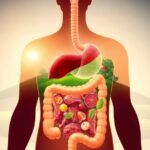 Red meat digestion: understanding the process and its effects
If you want to know other articles similar to Diarrhea after eating red meat: causes and solutions you can visit the category Health effects of red meat.


Deja una respuesta

Gestionar consentimiento
Funcional Siempre activo
El almacenamiento o acceso técnico es estrictamente necesario para el propósito legítimo de permitir el uso de un servicio específico explícitamente solicitado por el abonado o usuario, o con el único propósito de llevar a cabo la transmisión de una comunicación a través de una red de comunicaciones electrónicas.
Preferencias
El almacenamiento o acceso técnico es necesario para la finalidad legítima de almacenar preferencias no solicitadas por el abonado o usuario.
Estadísticas
El almacenamiento o acceso técnico que es utilizado exclusivamente con fines estadísticos. El almacenamiento o acceso técnico que se utiliza exclusivamente con fines estadísticos anónimos. Sin un requerimiento, el cumplimiento voluntario por parte de tu proveedor de servicios de Internet, o los registros adicionales de un tercero, la información almacenada o recuperada sólo para este propósito no se puede utilizar para identificarte.
Marketing
El almacenamiento o acceso técnico es necesario para crear perfiles de usuario para enviar publicidad, o para rastrear al usuario en una web o en varias web con fines de marketing similares.
More embers