
Pregnancy and red meat: what you need to know

Pregnancy is a critical period that requires women to pay close attention to their dietary choices. Recent studies highlight the significance of consuming Red meat, particularly beef, for optimal maternal and fetal health. This article explores the relationship between pregnancy and red meat, offering insights into its benefits and guidelines for safe consumption.
Index
- Foods to avoid in pregnancy
- The role of fresh beef intake and Mediterranean diet adherence during pregnancy in maternal and infant health outcomes
- Should women eat red meat during pregnancy?
- Pregnancy and red meat first trimester: what you need to know
- Benefits of red meat during pregnancy: why it matters
- Things to avoid in early pregnancy: a comprehensive guide
- How much meat should I eat during pregnancy?
- Questions related to the consumption of red meat during pregnancy
Foods to avoid in pregnancy
During pregnancy, some foods can pose risks to both the mother and the developing fetus. It's essential to be aware of these to ensure a healthy pregnancy. Foods that should be avoided include:
- Raw or undercooked meats
- Unpasteurized dairy products
- Certain seafood high in mercury
- Processed meats like hot dogs and deli meats that aren't heated
These foods can harbor harmful bacteria or toxins that could lead to complications. Pregnant women should focus on safe food options that contribute positively to their health and the health of their baby.
In addition to avoiding specific foods, it’s crucial to maintain a balanced diet rich in nutrients. This includes adequate iron, which is vital for preventing anemia—a common issue during pregnancy.
 Red meat during pregnancy
The role of fresh beef intake and Mediterranean diet adherence during pregnancy in maternal and infant health outcomes
Fresh beef is a valuable source of heme iron, which is essential for pregnant women. Iron deficiency can lead to serious complications, including neurological issues in unborn children. Studies show that adhering to a Mediterranean diet, which includes fresh beef, can enhance maternal and infant health outcomes.
The Mediterranean diet emphasizes the consumption of fruits, vegetables, whole grains, and lean proteins, such as beef. This balanced diet helps ensure that pregnant women receive the necessary nutrients to support both their health and fetal development.
Moreover, fresh beef provides other essential nutrients like zinc and vitamin B12, which are crucial during pregnancy. Regular intake of these nutrients can help mitigate the risks associated with iron deficiency.
Should women eat red meat during pregnancy?
Yes, consuming red meat during pregnancy can be beneficial, provided it is cooked safely. Pregnant women require approximately 27 mg of iron daily, which is predominantly sourced from heme iron found in red meat. This type of iron is more readily absorbed by the body compared to non-heme iron from plant sources.
Red meat during pregnancy Red meat for pregnancy: what you need to know
It’s important to focus on the quality of the meat consumed. Choosing lean cuts of beef and ensuring proper Cooking methods can help maximize the benefits while minimizing health risks.
Incorporating moderate quantities of red meat into a balanced diet can enhance overall nutritional intake, supporting both maternal health and fetal development.
Pregnancy and red meat first trimester: what you need to know
During the first trimester, the body undergoes numerous changes that require increased nutrient intake. Red meat can play a significant role in meeting these heightened nutritional needs. The first trimester is critical for fetal development, and adequate iron intake is essential for preventing anemia.
Women should aim for at least two servings of red meat per week, depending on individual dietary needs. Lean beef is a good option as it is rich in both iron and protein, contributing positively to the overall health of the mother and the developing baby.
Red meat during pregnancyRed meat for pregnancy: what you need to know Red meat pork: is it healthy and how does it compare?
Additionally, pregnant women should be cautious about Food safety. Cooking red meat thoroughly to an internal temperature of at least 160°F (71°C) is vital to eliminate harmful pathogens.
Benefits of red meat during pregnancy: why it matters
The benefits of including red meat in a pregnancy diet are numerous. Red meat is not only an excellent source of heme iron but also provides essential amino acids and vitamins such as B6 and B12.
- Supports fetal brain development: Essential nutrients found in red meat support the neurological development of the fetus.
- Prevents anemia: Adequate iron intake from red meat helps maintain healthy hemoglobin levels in pregnant women.
- Boosts energy levels: The protein in red meat can help combat fatigue often experienced during pregnancy.
Moreover, regular consumption of red meat within a balanced diet can ensure that both mother and child receive the nourishment they need throughout the pregnancy.
Things to avoid in early pregnancy: a comprehensive guide
In addition to avoiding specific foods, there are certain practices that pregnant women should steer clear of during early pregnancy:
Red meat during pregnancyRed meat for pregnancy: what you need to knowRed meat pork: is it healthy and how does it compare? Red barn meat quality and freshness
- Avoid consuming alcohol as it can lead to fetal alcohol syndrome.
- Limit caffeine intake, as high levels can be linked to miscarriage.
- Stay away from unpasteurized products to reduce the risk of infections.
Following these guidelines can help ensure a healthier pregnancy. Women should consult with their healthcare providers for personalized dietary recommendations.
How much meat should I eat during pregnancy?
The recommended amount of meat during pregnancy varies based on individual dietary needs, but a general guideline is to consume around 2-3 servings of protein-rich foods per day. This includes red meat, poultry, fish, beans, and legumes.
For red meat, it is advisable to aim for two to three servings per week, focusing on lean cuts. This allows for a well-rounded intake of essential nutrients without excessive saturated fat.
Monitoring portion sizes and cooking methods is equally important. Pregnant women should prioritize cooking methods such as grilling, baking, or steaming to ensure meat is prepared safely.
Red meat during pregnancyRed meat for pregnancy: what you need to knowRed meat pork: is it healthy and how does it compare?Red barn meat quality and freshness Pregnant red meat: what you need to know
Is it safe to eat red meat during pregnancy?
Yes, it is generally safe to eat red meat during pregnancy as long as it is cooked properly. Ensuring that the meat reaches a safe internal temperature helps eliminate harmful bacteria. Pregnant women should focus on consuming lean cuts of meat and incorporate it into a balanced diet.
Can I eat medium steak while pregnant?
While some women may prefer their steak medium, it is recommended to cook red meat to well-done during pregnancy to minimize the risk of foodborne illnesses. Pregnant women should prioritize safety and ensure that meat is cooked thoroughly before consumption.
Can you eat pink steak while pregnant?
Eating pink steak is not advisable during pregnancy. Undercooked meat can harbor bacteria and parasites that are dangerous for both the mother and the fetus. It's crucial to avoid any pink areas in the meat and ensure it is fully cooked.
How should steak be cooked when pregnant?
Steak should be cooked to an internal temperature of at least 160°F (71°C) during pregnancy. This ensures that any harmful pathogens are destroyed. Using a meat thermometer can help verify that the meat is cooked correctly and is safe for consumption.
Red meat during pregnancyRed meat for pregnancy: what you need to knowRed meat pork: is it healthy and how does it compare?Red barn meat quality and freshnessPregnant red meat: what you need to know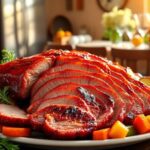 Red pork meat recipes for every occasion
If you want to know other articles similar to Pregnancy and red meat: what you need to know you can visit the category Diet and nutrition essentials.
Diabetes red meat: understanding the risks
Canola vs vegetable oil: which is the better choice?
Is flaxseed good for you?
Deja una respuesta

Gestionar consentimiento
Funcional Siempre activo
El almacenamiento o acceso técnico es estrictamente necesario para el propósito legítimo de permitir el uso de un servicio específico explícitamente solicitado por el abonado o usuario, o con el único propósito de llevar a cabo la transmisión de una comunicación a través de una red de comunicaciones electrónicas.
Preferencias
El almacenamiento o acceso técnico es necesario para la finalidad legítima de almacenar preferencias no solicitadas por el abonado o usuario.
Estadísticas
El almacenamiento o acceso técnico que es utilizado exclusivamente con fines estadísticos. El almacenamiento o acceso técnico que se utiliza exclusivamente con fines estadísticos anónimos. Sin un requerimiento, el cumplimiento voluntario por parte de tu proveedor de servicios de Internet, o los registros adicionales de un tercero, la información almacenada o recuperada sólo para este propósito no se puede utilizar para identificarte.
Marketing
El almacenamiento o acceso técnico es necesario para crear perfiles de usuario para enviar publicidad, o para rastrear al usuario en una web o en varias web con fines de marketing similares.
More embers