
Is white meat healthier than red meat?

The debate surrounding the health benefits of white meat compared to Red meat has gained significant traction in recent years. Understanding the differences between these types of meat can help consumers make informed dietary choices that align with their health goals.
As we delve into the various aspects of meat consumption, it is essential to explore the nutritional values and health implications associated with each type. This article will provide insights into whether white meat is indeed healthier than red meat and highlight the latest research findings.
Index
- Red meat vs. white meat: what's the difference?
- What does the latest research say about meat consumption?
- Is pork considered white meat or red meat?
- What are the health benefits of white meat?
- How do red and white meat affect cholesterol levels?
- Should you limit red meat in your diet?
- What are the recommendations for meat consumption?
- Related questions about meat consumption and health
Red meat vs. white meat: what's the difference?
Red meat refers to meats that are darker in color, such as beef, lamb, and pork, while white meat primarily includes poultry, like chicken and turkey. The main distinction lies in the amount of myoglobin present in the muscle, which gives red meat its darker hue.
In terms of nutritional content, both types of meat offer essential nutrients. Red meat is known for its high iron and vitamin B12 content, which are vital for energy production and overall health. Conversely, white meat is generally lower in fat and calories, making it a popular choice for those looking to maintain a healthier diet.
 What qualifies as red meat?
- Red meat: Rich in iron and B vitamins.
- White meat: Lower in calories and fat.
- Culinary uses: Red meat is often grilled or roasted, while white meat is commonly baked or sautéed.
While both types of meat can be part of a balanced diet, moderation is key. Dietary guidelines suggest limiting red meat consumption to reduce the risk of certain health issues.
What does the latest research say about meat consumption?
Recent studies have highlighted the impact of meat consumption on health outcomes. A June 2019 study published in the American Journal of Clinical Nutrition indicated that substituting white meat for red meat does not significantly lower LDL cholesterol, the "bad" cholesterol associated with heart disease.
The findings of this study sparked discussions among health professionals regarding the implications of meat color on cholesterol levels. Critics pointed out that saturated fat content is more critical than the color of the meat itself in influencing cholesterol levels.
Additionally, research suggests that a plant-based diet could be more beneficial for managing cholesterol compared to high meat consumption. A meta-analysis involving 22 prospective cohort studies found that white meat consumption is inversely associated with all-cause mortality, emphasizing the potential health benefits of including white meat in one's diet.
What qualifies as red meat?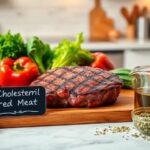 How much cholesterol is in red meat?
Is pork considered white meat or red meat?
Pork is classified as red meat due to its higher myoglobin content, which gives it a darker color compared to poultry. However, it is often viewed differently in culinary contexts, where it can be prepared similarly to white meat.
Despite its classification, pork has a unique nutritional profile. It is rich in protein and B vitamins, but it also contains varying amounts of fat, depending on the cut. Lean cuts of pork, such as tenderloin, can be included in a healthy diet when consumed in moderation.
When considering the overall health implications, it's essential to choose lean cuts and avoid processed pork products, which can be higher in sodium and unhealthy fats.
What are the health benefits of white meat?
White meat, particularly poultry, offers numerous health benefits. It's generally lower in saturated fat compared to red meat, making it a heart-healthy option for those concerned about cardiovascular diseases.
What qualifies as red meat?How much cholesterol is in red meat? Can red meat cause gout?
Some notable benefits of white meat include:
- Lower saturated fat content: This helps in maintaining healthy cholesterol levels.
- High protein content: Essential for muscle growth and repair.
- Rich in vitamins: Provides essential nutrients like niacin and B6, which support metabolism.
Choosing white meat may also be beneficial for weight management. Its lower calorie count can help those looking to maintain or lose weight while ensuring adequate protein intake.
How do red and white meat affect cholesterol levels?
The impact of meat on cholesterol levels has been a focal point of nutritional research. While white meat is often perceived as heart-healthy, studies indicate that both red and white meats can raise LDL cholesterol levels.
The quality of the meat and Cooking methods play significant roles in cholesterol outcomes. For instance, grilling or baking meats instead of frying can reduce the intake of unhealthy fats. Furthermore, incorporating fiber-rich foods alongside meat can help mitigate cholesterol spikes.
What qualifies as red meat?How much cholesterol is in red meat?Can red meat cause gout? What are examples of red meat?
Ultimately, the effects of meat consumption on cholesterol levels are complex. As highlighted in recent studies, focusing on the overall dietary pattern, including the consumption of plant-based foods, is vital for heart health.
Should you limit red meat in your diet?
Health authorities recommend limiting red and processed meat intake due to their association with various health risks, including colorectal cancer and heart disease. Most guidelines suggest a maximum of 70g of red meat consumption per day.
When incorporating red meat into your diet, it's crucial to select lean cuts and adopt healthy cooking methods to minimize the intake of saturated fats. Additionally, balancing red meat consumption with plenty of fruits, vegetables, and whole grains can enhance overall health.
For individuals concerned about health risks, it may be wise to prioritize white meat and plant-based protein sources over red meat.
What qualifies as red meat?How much cholesterol is in red meat?Can red meat cause gout?What are examples of red meat? Is chicken thigh red meat?
What are the recommendations for meat consumption?
Dietary recommendations for meat consumption emphasize moderation and balance. The key points include:
- Limit red and processed meat intake.
- Opt for lean cuts of meat when possible.
- Incorporate a variety of protein sources, including fish, legumes, and nuts.
Following these guidelines can help maintain a balanced diet that supports long-term health. Additionally, focusing on overall dietary patterns rather than individual food choices has proven beneficial in promoting health and reducing disease risk.
Which is healthier red meat or white meat?
Generally, white meat is considered healthier than red meat due to its lower saturated fat content and fewer associated health risks. While both provide essential nutrients, moderation and choosing lean cuts are critical factors.
What is the healthiest type of meat?
Fish is often regarded as the healthiest type of meat, particularly fatty fish like salmon, which are rich in omega-3 fatty acids. Among meats, chicken and turkey are excellent options due to their lower calorie and fat content.
What qualifies as red meat?How much cholesterol is in red meat?Can red meat cause gout?What are examples of red meat?Is chicken thigh red meat? Magnesium in red meat: benefits and sources
Why is white meat healthier?
White meat is deemed healthier primarily because it contains less saturated fat, which is linked to heart disease and elevated LDL cholesterol levels. Furthermore, it provides a good source of protein and essential vitamins with fewer calories.
Is it healthy to only eat white meat?
While white meat can be a healthy component of your diet, it is essential to include a variety of protein sources for balanced nutrition. Relying solely on one type of meat may lead to nutrient deficiencies. A diverse diet that includes plant-based options is encouraged for optimal health.
If you want to know other articles similar to Is white meat healthier than red meat? you can visit the category Diet and nutrition essentials.
Diabetes red meat: understanding the risks

Canola vs vegetable oil: which is the better choice?
Is flaxseed good for you?
Deja una respuesta

Gestionar consentimiento
Funcional Siempre activo
El almacenamiento o acceso técnico es estrictamente necesario para el propósito legítimo de permitir el uso de un servicio específico explícitamente solicitado por el abonado o usuario, o con el único propósito de llevar a cabo la transmisión de una comunicación a través de una red de comunicaciones electrónicas.
Preferencias
El almacenamiento o acceso técnico es necesario para la finalidad legítima de almacenar preferencias no solicitadas por el abonado o usuario.
Estadísticas
El almacenamiento o acceso técnico que es utilizado exclusivamente con fines estadísticos. El almacenamiento o acceso técnico que se utiliza exclusivamente con fines estadísticos anónimos. Sin un requerimiento, el cumplimiento voluntario por parte de tu proveedor de servicios de Internet, o los registros adicionales de un tercero, la información almacenada o recuperada sólo para este propósito no se puede utilizar para identificarte.
Marketing
El almacenamiento o acceso técnico es necesario para crear perfiles de usuario para enviar publicidad, o para rastrear al usuario en una web o en varias web con fines de marketing similares.
More embers