
Is vegetable oil better than canola oil?

When choosing a Cooking oil, many people are often faced with the question of is vegetable oil better than canola oil? Both oils are widely used and have their unique characteristics. This article will explore the differences between these oils, their health benefits, and how to use them in cooking.
Understanding the nutritional profiles and best uses for each type of oil can help you make an informed decision when cooking. Let's dive into what each oil is all about.
Index
- What is canola oil?
- What is vegetable oil?
- What is the difference between canola oil and vegetable oil?
- Is vegetable oil better than canola oil for cooking?
- Can canola and vegetable oil be used interchangeably in recipes?
- How to store vegetable and canola oil?
- Frequently asked questions about cooking oils
- Questions related to cooking oils
What is canola oil?
Canola oil is derived from the seeds of the canola plant, a type of rapeseed bred to contain low levels of erucic acid. This oil is known for its light flavor and high smoke point, which makes it an ideal choice for various cooking methods.
Rich in monounsaturated fats, canola oil also contains omega-3 fatty acids, which can support heart health. It has a relatively balanced nutritional profile, making it a staple in many kitchens.
 Salt for cooking best: the ultimate guide to choosing the right type
Besides its health benefits, canola oil is versatile. It can be used for frying, baking, and even salad dressings, proving its adaptability in the culinary world.
What is vegetable oil?
Vegetable oil is a more generic term that often refers to a blend of different plant-based oils, such as soybean, corn, and sunflower oil. This combination gives vegetable oil a neutral flavor and a high smoke point, making it suitable for various cooking techniques.
While vegetable oil is not as specific as canola oil, it is widely consumed and provides a decent source of both polyunsaturated fats and vitamin E. However, its nutritional profile can vary depending on the blend of oils used.
Choosing vegetable oil can be a convenient option due to its availability and cost-effectiveness, but it's essential to consider the source and quality of the oil.
Salt for cooking best: the ultimate guide to choosing the right type Smoke point cooking oils explained
What is the difference between canola oil and vegetable oil?
When debating is vegetable oil better than canola oil, it’s crucial to understand their differences. Here are some key distinctions:
- Nutritional Profile: Canola oil has a higher concentration of monounsaturated fats, while vegetable oil typically contains more polyunsaturated fats.
- Flavor: Canola oil has a light, neutral taste, whereas vegetable oil can vary depending on its composition.
- Smoke Point: Both oils have high smoke points, making them suitable for frying; however, canola oil generally has a slightly higher smoke point.
Moreover, canola oil is often considered a healthier choice due to its favorable fatty acid composition. Understanding these differences can greatly impact your cooking and health choices.
Is vegetable oil better than canola oil for cooking?
The answer to whether is vegetable oil better than canola oil for cooking often depends on the specific recipe and health considerations. For frying and high-temperature cooking, both oils work well due to their high smoke points.
Canola oil may be preferred in recipes where health benefits are a priority, as it contains omega-3 fatty acids that support heart health. In contrast, vegetable oil might be suitable for those on a budget or for less health-conscious cooking.
Salt for cooking best: the ultimate guide to choosing the right typeSmoke point cooking oils explained Smoke point of avocado oil explained
Ultimately, the decision comes down to personal preference and dietary needs. It's also important to consider how each oil interacts with other ingredients in a recipe.
Can canola and vegetable oil be used interchangeably in recipes?
Yes, canola and vegetable oil can often be used interchangeably in recipes. Both oils have neutral flavors and high smoke points, making them suitable for a variety of cooking methods.
However, it's essential to consider the flavor profile and nutritional aspects of each oil. For instance, if you're making a salad dressing, canola oil might offer a slight edge due to its heart-healthy properties.
In baking, you might find that using canola oil can produce a slightly different texture or moisture level in your baked goods, but generally, the results will be satisfactory with either oil.
Salt for cooking best: the ultimate guide to choosing the right typeSmoke point cooking oils explainedSmoke point of avocado oil explained Substitute for avocado oil: best options to consider
How to store vegetable and canola oil?
Proper storage of oils is crucial to maintaining their quality and longevity. Both canola and vegetable oils should be stored in cool, dark places to prevent oxidation and rancidity.
Here are some tips for storing these oils:
- Keep them in a tightly sealed container to avoid exposure to air.
- Store in a dark cabinet or pantry away from direct sunlight.
- Avoid storing near heat sources like the stove or oven.
- Check the expiration date and use oils within their recommended shelf life.
Following these storage tips can help extend the shelf life of your oils, ensuring they remain fresh and nutritious for cooking.
Frequently asked questions about cooking oils
What is the healthiest oil to cook with?
When considering what is the healthiest oil to cook with, many experts recommend oils high in monounsaturated fats, such as canola oil and olive oil. These oils can help improve heart health and lower cholesterol levels. Additionally, oils with omega-3 fatty acids, like canola oil, provide important health benefits.
Salt for cooking best: the ultimate guide to choosing the right typeSmoke point cooking oils explainedSmoke point of avocado oil explainedSubstitute for avocado oil: best options to consider Sunflower season: what to know
Why do chefs use canola oil?
Chefs often prefer canola oil for its versatility and high smoke point. It allows for a clean flavor in dishes, making it ideal for frying, sautéing, and baking. Moreover, its nutritional profile makes it a healthier option compared to some other oils, which contributes to its popularity in professional kitchens.
Is it better to use canola oil or vegetable oil in a recipe?
Whether to use canola oil or vegetable oil in a recipe largely depends on the desired flavor and health benefits. Canola oil is often considered a healthier option due to its lower saturated fat content and higher monounsaturated fat levels. However, vegetable oil can be a cost-effective alternative that works well in many recipes.
What is the unhealthiest oil to cook with?
The unhealthiest oils for cooking are generally those high in saturated fats or trans fats, such as palm oil and partially hydrogenated oils. These types of fats can raise cholesterol levels and increase the risk of heart disease. It's important to choose healthier oils, such as canola, olive, or avocado oil, for better overall health.
Salt for cooking best: the ultimate guide to choosing the right typeSmoke point cooking oils explainedSmoke point of avocado oil explainedSubstitute for avocado oil: best options to considerSunflower season: what to know Vegetables BBQ: Tips for Grilling Perfectly
If you want to know other articles similar to Is vegetable oil better than canola oil? you can visit the category Diet and nutrition essentials.
Diabetes red meat: understanding the risks
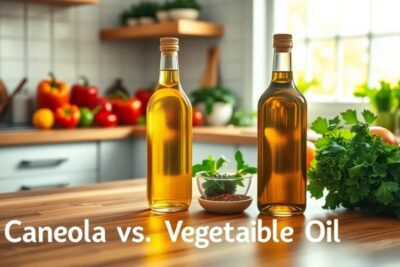
Canola vs vegetable oil: which is the better choice?
Is flaxseed good for you?
Deja una respuesta

Gestionar consentimiento
Funcional Siempre activo
El almacenamiento o acceso técnico es estrictamente necesario para el propósito legítimo de permitir el uso de un servicio específico explícitamente solicitado por el abonado o usuario, o con el único propósito de llevar a cabo la transmisión de una comunicación a través de una red de comunicaciones electrónicas.
Preferencias
El almacenamiento o acceso técnico es necesario para la finalidad legítima de almacenar preferencias no solicitadas por el abonado o usuario.
Estadísticas
El almacenamiento o acceso técnico que es utilizado exclusivamente con fines estadísticos. El almacenamiento o acceso técnico que se utiliza exclusivamente con fines estadísticos anónimos. Sin un requerimiento, el cumplimiento voluntario por parte de tu proveedor de servicios de Internet, o los registros adicionales de un tercero, la información almacenada o recuperada sólo para este propósito no se puede utilizar para identificarte.
Marketing
El almacenamiento o acceso técnico es necesario para crear perfiles de usuario para enviar publicidad, o para rastrear al usuario en una web o en varias web con fines de marketing similares.
More embers