
Is peanut oil a seed oil?
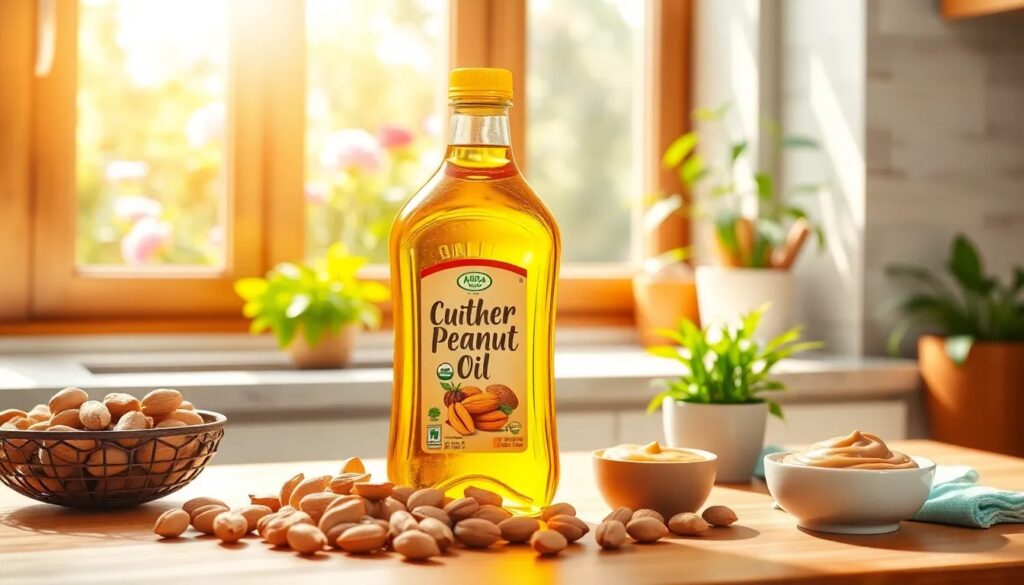
Peanut oil, derived from the seeds of the peanut plant, has gained popularity in culinary practices worldwide. Many people wonder about its health implications, especially when considering whether is peanut oil a seed oil. This article delves into the nutritional value, types, benefits, and potential risks of peanut oil, helping you make informed decisions.
Index
Is peanut oil a seed oil or vegetable oil?
Peanut oil is classified as a seed oil because it is extracted from the seeds of peanuts, which botanically are legumes. This distinction is essential for understanding its composition and health implications. Unlike traditional vegetable oils derived from fruits or other plant parts, peanut oil primarily consists of fatty acids and nutrients that can impact health.
The extraction process often influences the oil's characteristics. There are several types of peanut oil available on the market, including refined, cold-pressed, and gourmet variants. Each type has unique properties suited for different culinary applications.
Notably, peanut oil is often used in Asian cuisines due to its high smoke point, making it ideal for frying. This versatility raises questions about its health benefits, especially in comparison to other oils. When considering whether is peanut oil a seed oil, it's also important to look at its nutritional profile.
 Meaning of scrub
Is peanut oil healthy for frying?
Peanut oil is considered healthy for frying due to its high smoke point, which is around 450°F (232°C). This means it can withstand high temperatures without breaking down and producing harmful compounds. Additionally, it retains its flavor and nutritional properties during Cooking.
The oil is rich in monounsaturated fats, which are known to support heart health. These fats can help lower bad cholesterol levels, making peanut oil a healthier option compared to oils high in saturated fats.
However, moderation is key. Although peanut oil has numerous health benefits, excessive consumption can lead to an imbalance of omega-6 fatty acids in the diet. It's crucial to balance omega-6 intake with omega-3 fatty acids to maintain optimal health.
How is peanut oil made?
Peanut oil is produced through a multi-step process that begins with harvesting peanuts. After cleaning and drying, the peanuts are pressed to extract the oil. There are two primary methods of extraction: cold pressing and refining.
Meaning of scrub Understanding meathead: the barbecue expert
- Cold pressing: This method involves mechanically pressing the peanuts without heat, preserving nutrients and flavor. Cold-pressed peanut oil retains more antioxidants, making it a healthier choice.
- Refining: This process involves chemical treatments and heating, which neutralizes flavors and removes impurities. While refined peanut oil has a longer shelf life, it may lose some nutritional benefits.
The choice between cold-pressed and refined peanut oil can influence both flavor and health benefits. Understanding these differences helps consumers make informed choices when purchasing peanut oil.
What are the types of peanut oil?
Peanut oil comes in various types, each with distinct characteristics and uses. Here are some common varieties:
- Refined peanut oil: This type has been processed to remove impurities, making it more stable for high-heat cooking.
- Cold-pressed peanut oil: Extracted without heat, this oil retains its natural flavor and nutrients, ideal for dressings and dips.
- Gourmet peanut oil: Often infused with flavors, this oil is used in culinary applications where taste is a priority.
- Blended peanut oil: This oil is mixed with other oils to enhance flavor and reduce costs.
Each type serves different culinary purposes, making peanut oil a versatile choice for various cooking methods.
What are the health benefits of peanut oil?
Peanut oil offers several health benefits, making it a popular choice among consumers.
Meaning of scrubUnderstanding meathead: the barbecue expert Oil for cast iron seasoning: the best options
1. Rich in antioxidants: Peanut oil contains vitamin E, which acts as a powerful antioxidant, helping to combat free radicals in the body. This contributes to overall health and may reduce the risk of chronic diseases.
2. Heart health: The presence of monounsaturated fats in peanut oil can promote heart health by lowering bad cholesterol levels and increasing good cholesterol levels. This can contribute to a healthy cardiovascular system.
3. Blood sugar control: Some studies suggest that incorporating peanut oil into a balanced diet can help regulate blood sugar levels, which is particularly beneficial for individuals with diabetes.
While these benefits are significant, it's important to consider the potential risks associated with peanut oil consumption.
Is peanut oil inflammatory?
Peanut oil's health implications regarding inflammation are nuanced. On one hand, it is rich in omega-6 fatty acids, which, when consumed in moderation, can be beneficial. However, excessive intake of omega-6 fatty acids may contribute to inflammation in the body.
A balanced diet that includes omega-3 fatty acids can help mitigate these effects. It is essential to consume peanut oil in moderation and to balance it with sources of omega-3, such as fatty fish or flaxseeds.
Meaning of scrubUnderstanding meathead: the barbecue expertOil for cast iron seasoning: the best options Scrubland meaning
In conclusion, while peanut oil can have some inflammatory effects if consumed excessively, it also provides numerous health benefits when included as part of a balanced diet.
What seed oils should I avoid?
When considering which oils to avoid, it is essential to look at their composition and health implications. Some seed oils are often criticized for their higher omega-6 fatty acid content and potential links to inflammation.
Here are a few seed oils that people may choose to limit or avoid:
- Soybean oil: High in omega-6 fatty acids, it can contribute to inflammation when consumed excessively.
- Corn oil: Similar to soybean oil, its high omega-6 content raises concerns about inflammatory responses in the body.
- Canola oil: While lower in saturated fat, its processing methods and omega-6 content can be a concern for some consumers.
Choosing oils with a better fatty acid profile, such as olive oil or avocado oil, can be a healthier alternative to these seed oils.
Meaning of scrubUnderstanding meathead: the barbecue expertOil for cast iron seasoning: the best optionsScrubland meaning Stubborn seed - Miami Beach dining experience
Is peanut oil a seed oil to avoid?
While peanut oil is technically a seed oil, it is not necessarily one to avoid. Its health benefits, including heart health support and antioxidant properties, make it a viable option. However, moderation is crucial due to its omega-6 fatty acid content.
What oils are not seed oil?
Several oils are classified as non-seed oils. These include:
- Olive oil: Extracted from olives, this oil is rich in monounsaturated fats and antioxidants.
- Coconut oil: Derived from coconuts, it contains medium-chain triglycerides that can offer health benefits.
- Avocado oil: Known for its high smoke point and healthy fat profile, it's an excellent alternative to seed oils.
These alternatives can provide health benefits without the potential downsides associated with seed oils.
Is peanut oil inflammatory?
Peanut oil may contribute to inflammation if consumed in excessive amounts due to its omega-6 fatty acid content. However, it also has beneficial properties. Balancing peanut oil with omega-3 sources can help mitigate potential inflammation.
Meaning of scrubUnderstanding meathead: the barbecue expertOil for cast iron seasoning: the best optionsScrubland meaningStubborn seed - Miami Beach dining experience The substitute cast
Which seed oil is the healthiest?
Among seed oils, some options are considered healthier than others. For instance, flaxseed oil is known for its high omega-3 content, making it a potent anti-inflammatory choice. Additionally, hemp seed oil provides a balanced ratio of omega-6 to omega-3 fatty acids, promoting overall health.
If you want to know other articles similar to Is peanut oil a seed oil? you can visit the category Diet and nutrition essentials.
Diabetes red meat: understanding the risks
Canola vs vegetable oil: which is the better choice?
Is flaxseed good for you?
Deja una respuesta

Gestionar consentimiento
Funcional Siempre activo
El almacenamiento o acceso técnico es estrictamente necesario para el propósito legítimo de permitir el uso de un servicio específico explícitamente solicitado por el abonado o usuario, o con el único propósito de llevar a cabo la transmisión de una comunicación a través de una red de comunicaciones electrónicas.
Preferencias
El almacenamiento o acceso técnico es necesario para la finalidad legítima de almacenar preferencias no solicitadas por el abonado o usuario.
Estadísticas
El almacenamiento o acceso técnico que es utilizado exclusivamente con fines estadísticos. El almacenamiento o acceso técnico que se utiliza exclusivamente con fines estadísticos anónimos. Sin un requerimiento, el cumplimiento voluntario por parte de tu proveedor de servicios de Internet, o los registros adicionales de un tercero, la información almacenada o recuperada sólo para este propósito no se puede utilizar para identificarte.
Marketing
El almacenamiento o acceso técnico es necesario para crear perfiles de usuario para enviar publicidad, o para rastrear al usuario en una web o en varias web con fines de marketing similares.
More embers