
Can I substitute canola oil for vegetable oil?

When it comes to Cooking oils, canola oil and vegetable oil are two of the most commonly used options in kitchens worldwide. Both oils share several characteristics, including their mild flavors and high smoke points, making them suitable for a variety of cooking methods. However, there are notable differences between them that can influence your choice in cooking.
This article will explore the differences between canola oil and vegetable oil, including their uses in baking and frying, their health benefits, and whether you can substitute one for the other.
Index
- What Is Canola Oil?
- What Is Vegetable Oil?
- Is There A Difference In Their Smoke Point?
- Can You Substitute Canola Oil For Vegetable Oil?
- How To Properly Store Your Cooking Oil
- Can Canola Oil Replace Vegetable Oil In Baking?
- What To Use Instead Of Vegetable Oil In Cake?
- Related Questions about Cooking Oils
- Frequently asked questions about canola oil and vegetable oil
What Is Canola Oil?
Canola oil is derived from the seeds of the rapeseed plant, specifically bred to minimize erucic acid, which can be harmful in large amounts. It is known for its light taste and high smoke point, making it ideal for frying and sautéing. Canola oil contains a higher percentage of monounsaturated fats, which are considered heart-healthy, along with omega-3 fatty acids.
In addition to its culinary uses, canola oil is also often used in salad dressings and Marinades due to its mild flavor. Its versatility and health benefits have made it a popular choice among health-conscious consumers.
 Canola oil or corn oil: which one is healthier?
Moreover, canola oil is often less expensive than other oils, making it a favored ingredient for both home cooks and professional chefs.
What Is Vegetable Oil?
Vegetable oil is a broad term that refers to a variety of oils extracted from seeds, such as soybean, corn, sunflower, and safflower. The composition of vegetable oil can vary significantly depending on the source, which means it can contain different levels of polyunsaturated and saturated fats. Typically, vegetable oil has a neutral flavor, which makes it versatile for cooking.
One of the most notable characteristics of vegetable oil is its high smoke point, which makes it suitable for frying and baking. Vegetable oils are often blended to achieve specific flavors and health benefits, leading to significant variations in their nutritional profiles.
Due to its widespread availability and lower cost, vegetable oil is commonly used in many household kitchens, often being the go-to choice for baking and frying.
Canola oil or corn oil: which one is healthier? Canola oil versus corn oil: which is healthier?
Is There A Difference In Their Smoke Point?
The smoke point of an oil is the temperature at which it begins to smoke and break down. Both canola oil and vegetable oil have high smoke points, generally around 400°F to 450°F (204°C to 232°C), making them suitable for frying and high-temperature cooking.
However, the specific smoke point can vary based on the type of vegetable oil used. For example, oils like avocado oil have even higher smoke points and are often chosen for high-heat cooking. Choosing the right oil for your cooking method is essential for optimal results and health.
In general, both canola oil and vegetable oil can withstand high heat, making them excellent choices for frying and baking. Yet, if you are looking for an oil with a higher smoke point, you might consider options like avocado or grapeseed oil.
Can You Substitute Canola Oil For Vegetable Oil?
Yes, you can often use canola oil as a substitute for vegetable oil in most recipes. In fact, many people wonder, can I substitute canola oil for vegetable oil? Both oils have similar properties and flavor profiles, making them interchangeable in cooking and baking.
Canola oil or corn oil: which one is healthier?Canola oil versus corn oil: which is healthier? Canola vs corn oil: which is healthier for cooking?
When substituting canola oil for vegetable oil, use a 1:1 ratio. This means that if a recipe calls for one cup of vegetable oil, you can use one cup of canola oil instead. This interchangeability is especially useful if you have run out of one type of oil.
However, it’s worth noting that the nutritional content may vary slightly. Canola oil tends to be lower in saturated fat compared to many vegetable oils, which can be beneficial for health-conscious cooks.
How To Properly Store Your Cooking Oil
Storing your cooking oil properly is crucial to maintain its freshness and prevent rancidity. Both canola oil and vegetable oil should be stored in a cool, dark place, away from direct sunlight and heat.
- Use airtight containers to minimize exposure to air.
- Consider refrigerating oils that are prone to spoilage, especially if you don't use them frequently.
- Check for any off smells or unusual flavors before using stored oil, as these can indicate spoilage.
- Avoid storing oils near your oven or stove, as heat can degrade their quality over time.
- Always check the use-by date and follow any instructions on the label regarding storage.
Can Canola Oil Replace Vegetable Oil In Baking?
Absolutely! Many bakers wonder, is canola oil suitable for baking instead of vegetable oil? The answer is yes! Canola oil can be used as a direct substitute for vegetable oil in most baking recipes.
Canola oil or corn oil: which one is healthier?Canola oil versus corn oil: which is healthier?Canola vs corn oil: which is healthier for cooking? Chile verde seasoning recipes and tips
Using canola oil in baking can result in moist and tender baked goods without altering the flavor significantly. Whether you're making cakes, muffins, or brownies, canola oil’s light texture and taste make it an excellent choice.
Furthermore, canola oil's healthier fat profile can add nutritional benefits to your baked goods, making it a preferred option for health-conscious bakers.
What To Use Instead Of Vegetable Oil In Cake?
If you find yourself out of vegetable oil while baking a cake, canola oil is a fantastic alternative. However, there are also several other oils and fats you can consider:
- Coconut oil - Solid at room temperature, it can provide a subtle coconut flavor.
- Sunflower oil - Similar in flavor and function to vegetable oil.
- Olive oil - Offers a different flavor and is best used in Mediterranean-style cakes.
- Applesauce - A healthier alternative that adds moisture.
- Butter - Can be melted and used for a richer flavor.
Always remember to adjust the quantities as needed, especially with alternatives like applesauce or butter, to achieve the desired consistency in your cake batter.
Canola oil or corn oil: which one is healthier?Canola oil versus corn oil: which is healthier?Canola vs corn oil: which is healthier for cooking?Chile verde seasoning recipes and tips Cold process soap: a beginner's guide
Frequently asked questions about canola oil and vegetable oil
Are canola oil and vegetable oil interchangeable in baking?
Yes, canola oil and vegetable oil are generally interchangeable in baking. Both oils have a neutral flavor and a high smoke point, making them suitable for most baked goods. When you substitute canola oil for vegetable oil, you can maintain the same measurements for a successful outcome in your recipes.
Can I substitute canola oil for vegetable oil in brownies?
Absolutely! Can I substitute canola oil for vegetable oil in brownies? is a common question among bakers. Canola oil works well in brownies, providing moisture and a rich texture without affecting the flavor. You can use the same amount of canola oil as you would vegetable oil in the recipe.
Can you use canola oil instead of vegetable oil in a box cake mix?
Yes, you can easily use canola oil instead of vegetable oil in a box cake mix. Most cake mixes recommend using vegetable oil, but canola oil will produce a light and fluffy cake with a similar taste. Make sure to follow the instructions on the box for the correct amount.
What is the difference between canola oil vs. vegetable oil?
The primary difference between canola oil and vegetable oil lies in their sources and nutritional profiles. Canola oil comes from rapeseed and is lower in saturated fats, while vegetable oil can be a blend of oils from various plants, often including soybean and corn. This variation can lead to differences in taste, cost, and nutritional content.
Canola oil or corn oil: which one is healthier?Canola oil versus corn oil: which is healthier?Canola vs corn oil: which is healthier for cooking?Chile verde seasoning recipes and tipsCold process soap: a beginner's guide Conditioner meaning
In summary, while both oils can often be used interchangeably in recipes, choosing one over the other may depend on dietary preferences and specific cooking needs.
If you want to know other articles similar to Can I substitute canola oil for vegetable oil? you can visit the category Diet and nutrition essentials.
Diabetes red meat: understanding the risks
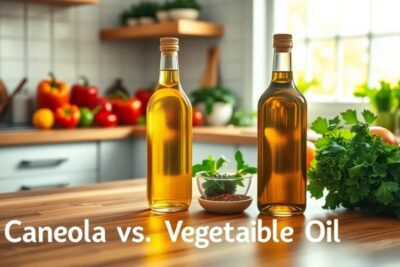
Canola vs vegetable oil: which is the better choice?
Is flaxseed good for you?
Deja una respuesta

Gestionar consentimiento
Funcional Siempre activo
El almacenamiento o acceso técnico es estrictamente necesario para el propósito legítimo de permitir el uso de un servicio específico explícitamente solicitado por el abonado o usuario, o con el único propósito de llevar a cabo la transmisión de una comunicación a través de una red de comunicaciones electrónicas.
Preferencias
El almacenamiento o acceso técnico es necesario para la finalidad legítima de almacenar preferencias no solicitadas por el abonado o usuario.
Estadísticas
El almacenamiento o acceso técnico que es utilizado exclusivamente con fines estadísticos. El almacenamiento o acceso técnico que se utiliza exclusivamente con fines estadísticos anónimos. Sin un requerimiento, el cumplimiento voluntario por parte de tu proveedor de servicios de Internet, o los registros adicionales de un tercero, la información almacenada o recuperada sólo para este propósito no se puede utilizar para identificarte.
Marketing
El almacenamiento o acceso técnico es necesario para crear perfiles de usuario para enviar publicidad, o para rastrear al usuario en una web o en varias web con fines de marketing similares.
More embers