
Vegetable oil explained
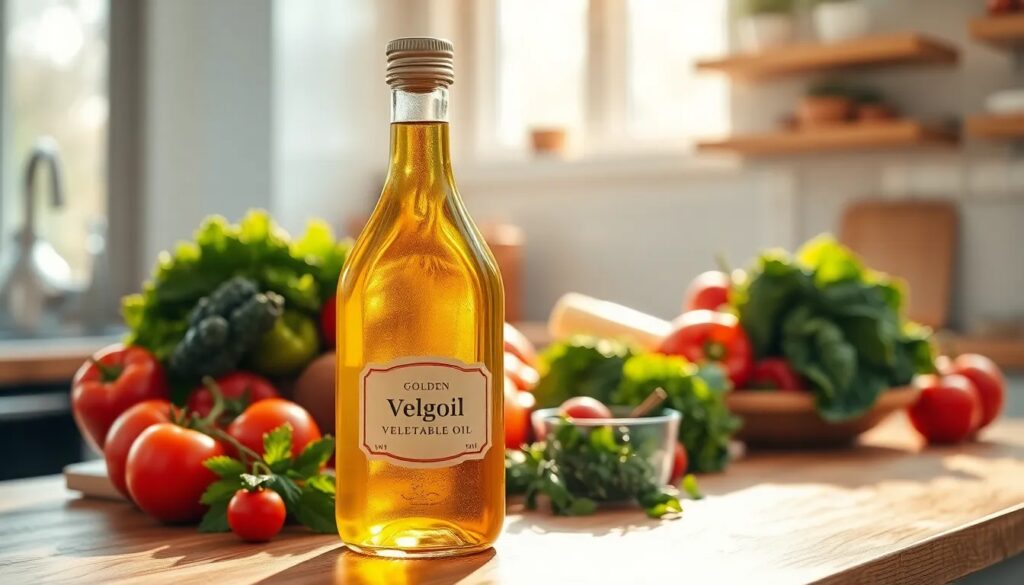
Vegetable oils are derived from various seeds and plant parts, playing a crucial role in Cooking and nutrition. Their use has evolved over time, reflecting changes in dietary habits and health perceptions. Understanding the properties and implications of using vegetable oil is essential for making informed dietary choices.
This article explores the various aspects of vegetable oil, including its health implications, cooking applications, and the best options available. We'll also address common questions and concerns regarding this widely used ingredient.
Index
- Are vegetable and seed oils bad for your health?
- What is vegetable oil?
- What are the best vegetable oil options?
- Why is vegetable oil considered unhealthy?
- How to use vegetable oil in cooking?
- What are the benefits of vegetable oil?
- What is a good substitute for vegetable oil?
- Where can you buy vegetable oil nearby?
- Related questions about vegetable oil
Are vegetable and seed oils bad for your health?
The debate around the health effects of vegetable oils has gained momentum in recent years. While some oils are rich in polyunsaturated fats, providing heart-healthy benefits, others can lead to health issues. It's essential to differentiate between different types of vegetable oils and their respective health impacts.
Studies indicate that oils high in omega-6 fatty acids, such as soybean oil, may contribute to inflammation when consumed in excess. This has raised concerns about chronic diseases linked to high omega-6 intake. However, not all vegetable oils carry the same risks. For instance, olive oil and avocado oil have demonstrated protective effects against heart disease.
 Alternative to vegetable oil: 8 best substitutes
Moreover, the presence of trans fats in some processed vegetable oils can also pose health risks. These fats are known to raise bad cholesterol levels, increasing the risk of heart disease. Opting for minimally processed oils can help mitigate these health concerns.
What is vegetable oil?
Vegetable oil is a broad term that encompasses a variety of oils extracted from seeds and plants. Common examples include soybean oil, palm oil, and canola oil. These oils are commonly used for cooking, frying, and baking due to their high smoke points and versatility.
The extraction process typically involves crushing the seeds or plant parts and then refining the oil to enhance its flavor and shelf life. This refining process can sometimes strip the oil of beneficial nutrients, making it essential to choose high-quality options when possible.
In addition to culinary uses, vegetable oils are employed in various industries, including cosmetics and biofuels. The versatility and widespread availability of vegetable oil make it a staple in many households.
Alternative to vegetable oil: 8 best substitutes Best olive oil for every kitchen
What are the best vegetable oil options?
Choosing the right vegetable oil can significantly impact your cooking experience and health. Here are some of the best options available:
- Olive oil: Known for its heart-healthy monounsaturated fats, it is excellent for dressings and low-temperature cooking.
- Avocado oil: Rich in nutrients and has a high smoke point, making it ideal for frying and grilling.
- Coconut oil: Contains medium-chain fatty acids, which may offer various health benefits, but should be used in moderation.
- Rice bran oil: High in antioxidants and has a high smoke point, suitable for frying.
- Canola oil: Low in saturated fat and contains omega-3 fatty acids, making it a healthier choice for baking.
These options not only enhance the flavor of your dishes but also contribute positively to your nutritional profile. It’s important to choose unrefined or cold-pressed varieties when available to retain beneficial nutrients.
Why is vegetable oil considered unhealthy?
While vegetable oils are often marketed as healthy alternatives to animal fats, certain factors have raised red flags regarding their health implications. The primary concern revolves around the high levels of omega-6 fatty acids found in many vegetable oils, which can lead to an imbalance in the omega-6 to omega-3 ratio in the diet.
This imbalance is thought to contribute to chronic inflammation, which is linked to various health issues, including heart disease and obesity. Additionally, some vegetable oils are highly processed, which can lead to the formation of harmful compounds during refining.
Alternative to vegetable oil: 8 best substitutesBest olive oil for every kitchen Canola oil vs vegetable oil: which is better for cooking?
Furthermore, trans fats, which can be found in partially hydrogenated vegetable oils, are particularly concerning due to their adverse effects on cardiovascular health. This has led to increasing recommendations to limit the consumption of certain vegetable oils.
How to use vegetable oil in cooking?
Utilizing vegetable oil effectively in your cooking can enhance both flavor and texture. Here are some practical tips on how to incorporate it into your meals:
1. Frying: Vegetable oils with high smoke points, like canola and peanut oil, are perfect for frying. They can withstand high temperatures without breaking down, ensuring crispy results.
2. Baking: Vegetable oil can replace butter or margarine in baking recipes, providing moisture and a tender texture to cakes and muffins.
Alternative to vegetable oil: 8 best substitutesBest olive oil for every kitchenCanola oil vs vegetable oil: which is better for cooking? Canola vs vegetable oil: which is the better choice?
3. Dressings and Marinades: Use oils like olive oil or avocado oil as a base for dressings. Their flavor adds depth to salads and marinades.
4. Sautéing: For stir-fries or sautéed vegetables, choose oils that complement the ingredients. Olive oil works well for Mediterranean dishes, while sesame oil adds an Asian flair.
5. Roasting: Toss vegetables in vegetable oil before roasting to enhance flavor and promote even cooking.
What are the benefits of vegetable oil?
Despite some health concerns, vegetable oils offer several benefits when used appropriately:
Alternative to vegetable oil: 8 best substitutesBest olive oil for every kitchenCanola oil vs vegetable oil: which is better for cooking?Canola vs vegetable oil: which is the better choice? Flat coats: characteristics and care
- Rich in Healthy Fats: Many vegetable oils are high in unsaturated fats, which can lower bad cholesterol levels and promote heart health.
- Versatile in Cooking: Vegetable oils can be used in a variety of cooking methods, from frying to baking, making them a staple in many kitchens.
- Source of Nutrients: Oils like olive and avocado oil are rich in vitamins and antioxidants, providing additional health benefits.
- Flavor Enhancement: Different oils can enhance the flavor of dishes, adding variety to your meals.
Alternative to vegetable oil: 8 best substitutesBest olive oil for every kitchenCanola oil vs vegetable oil: which is better for cooking?Canola vs vegetable oil: which is the better choice?Flat coats: characteristics and care Flax seed oil: benefits and uses
- Stable Shelf Life: Refined vegetable oils tend to have a longer shelf life, making them convenient for storage.
What is a good substitute for vegetable oil?
If you're looking for alternatives to vegetable oil in your cooking, consider the following options:
1. Coconut oil: A popular choice for baking and frying, offering a distinct flavor.
2. Applesauce: A great substitute in baking, adding moisture without the fat.
3. Greek yogurt: Can replace oil in baked goods, providing creaminess and protein.
4. Nut butters: They can add richness and flavor to smoothies or baked goods.
5. Olive oil: Often used in salad dressings, it can also be a great cooking oil substitute.
These substitutes can cater to different dietary preferences and enhance the nutritional profile of your meals.
Alternative to vegetable oil: 8 best substitutesBest olive oil for every kitchenCanola oil vs vegetable oil: which is better for cooking?Canola vs vegetable oil: which is the better choice?Flat coats: characteristics and careFlax seed oil: benefits and uses How to get rid of oil stains on clothes
Where can you buy vegetable oil nearby?
Purchasing vegetable oil is straightforward, as it is widely available in various retail settings. Here are some common places where you can find it:
- Grocery Stores: Most supermarkets carry a variety of vegetable oils, from popular brands to organic options.
- Health Food Stores: These stores often stock high-quality oils, including cold-pressed and unrefined choices.
- Online Retailers: Websites like Amazon or specialty food sites offer a range of vegetable oils with home delivery options.
- Farmers' Markets: Local vendors may sell organic or specialty oils that aren't available in conventional stores.
Be sure to check labels to ensure you're choosing the healthiest options available.
Is vegetable oil good or bad for you?
The health implications of vegetable oil depend on the type and amount consumed. While some oils can provide heart-healthy benefits, others may contribute to inflammation and chronic diseases due to their high omega-6 content. It's essential to choose high-quality oils and consume them in moderation.
Alternative to vegetable oil: 8 best substitutesBest olive oil for every kitchenCanola oil vs vegetable oil: which is better for cooking?Canola vs vegetable oil: which is the better choice?Flat coats: characteristics and careFlax seed oil: benefits and usesHow to get rid of oil stains on clothes Salt smoke BBQ: best dishes and reviews
Which oil is called vegetable oil?
The term "vegetable oil" generally refers to a blend of oils, predominantly soybean oil, but can also include canola, corn, and sunflower oils. It is often used for frying and baking due to its neutral flavor and high smoke point.
What is the unhealthiest oil to cook with?
Partially hydrogenated oils, often found in margarine and some processed foods, are considered among the unhealthiest options due to their trans fat content. Additionally, oils high in omega-6 fatty acids, such as soybean and corn oil, can be detrimental if consumed in excess.
What's the healthiest vegetable oil to cook with?
Olive oil is widely regarded as one of the healthiest options due to its high levels of monounsaturated fats and antioxidants. Extra virgin olive oil, in particular, has numerous health benefits and adds rich flavor to dishes. Other excellent choices include avocado oil and canola oil for their favorable fat profiles.
If you want to know other articles similar to Vegetable oil explained you can visit the category Cooking and recipes for every home cook.


Deja una respuesta

Gestionar consentimiento
Funcional Siempre activo
El almacenamiento o acceso técnico es estrictamente necesario para el propósito legítimo de permitir el uso de un servicio específico explícitamente solicitado por el abonado o usuario, o con el único propósito de llevar a cabo la transmisión de una comunicación a través de una red de comunicaciones electrónicas.
Preferencias
El almacenamiento o acceso técnico es necesario para la finalidad legítima de almacenar preferencias no solicitadas por el abonado o usuario.
Estadísticas
El almacenamiento o acceso técnico que es utilizado exclusivamente con fines estadísticos. El almacenamiento o acceso técnico que se utiliza exclusivamente con fines estadísticos anónimos. Sin un requerimiento, el cumplimiento voluntario por parte de tu proveedor de servicios de Internet, o los registros adicionales de un tercero, la información almacenada o recuperada sólo para este propósito no se puede utilizar para identificarte.
Marketing
El almacenamiento o acceso técnico es necesario para crear perfiles de usuario para enviar publicidad, o para rastrear al usuario en una web o en varias web con fines de marketing similares.
More embers