
Good cooking oil options for healthy meals
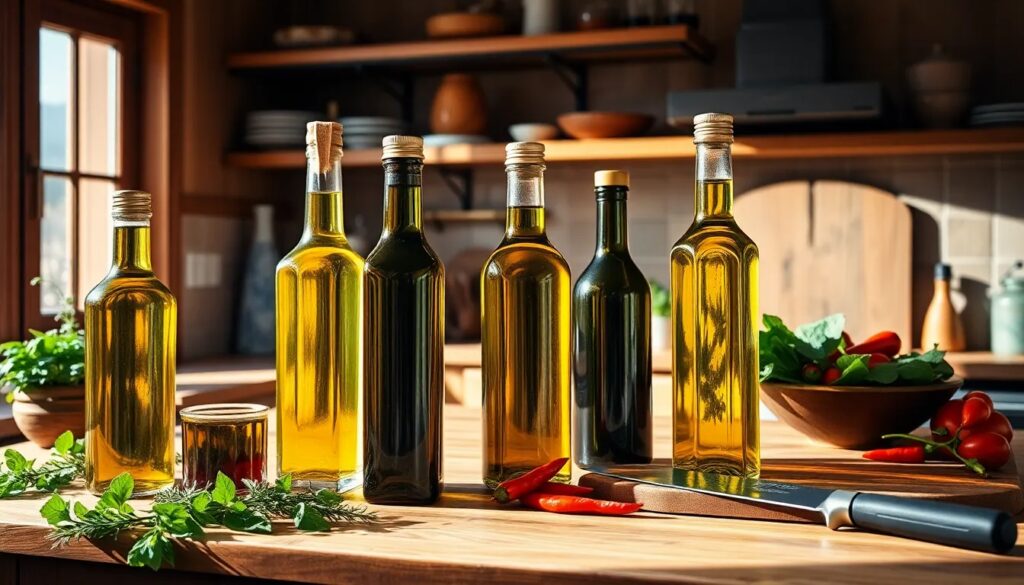
Choosing the right Cooking oil can significantly influence not only the flavor of your meals but also your health. Some oils are packed with nutrients, while others may pose risks when used in cooking. This guide will help you navigate the diverse world of cooking oils, focusing on the best options for nutritious meals.
From frying to baking, understanding the nutritional profile and cooking method of each oil will empower you to make informed choices. Let’s dive into the healthiest cooking oils and how to use them effectively.
Index
- Which cooking oil is best for my health (and my food)?
- What are the healthiest cooking oils available?
- Which cooking oils are considered good cooking oil?
- How do I choose a good cooking oil for frying?
- What is the best cooking oil for baking?
- How much cooking oil should I use daily?
- What are the key benefits of using healthy cooking oils?
- Related questions about healthy cooking oils
Which cooking oil is best for my health (and my food)?
When it comes to selecting a cooking oil, it’s essential to consider both health benefits and culinary uses. Oils rich in monounsaturated fats, such as olive oil and avocado oil, are often recommended for their heart-healthy properties. These oils help lower bad cholesterol levels and provide essential nutrients.
In contrast, oils high in saturated fats, like coconut oil, should be used sparingly. While they may have some health benefits, their high saturated fat content can be detrimental if consumed in excess. It’s crucial to balance your oil choices with your overall dietary needs.
 Griddle recipes for delicious meals
Additionally, oils like canola and sunflower are versatile for various cooking methods, but it’s important to choose non-hydrogenated versions to avoid unhealthy trans fats. Thus, the best cooking oil for health largely depends on your cooking methods and specific health needs.
What are the healthiest cooking oils available?
- Olive oil: Known for its high monounsaturated fat content and antioxidants.
- Avocado oil: Excellent for high-heat cooking due to its high smoke point.
- Coconut oil: Contains medium-chain triglycerides (MCTs) but should be used in moderation.
- Canola oil: Low in saturated fat and a good source of omega-3 fatty acids.
- Sunflower oil: Light flavor and high smoke point, suitable for frying.
These oils not only enhance the flavor of your dishes but also offer various health benefits. For example, olive oil is a staple in the Mediterranean diet, linked to reduced heart disease risk. On the other hand, avocado oil is praised for its skin health benefits and high levels of vitamin E.
Which cooking oils are considered good cooking oil?
Good cooking oil typically refers to oils that have a favorable nutritional profile. Extra-virgin olive oil tops the list due to its rich content of monounsaturated fats and powerful antioxidants. This oil is perfect for salad dressings or drizzling over cooked dishes.
Similarly, avocado oil is another top contender, particularly suitable for frying and sautéing due to its high smoke point. On the other hand, oils such as canola oil and sunflower oil are functional for everyday cooking and baking, offering a neutral flavor that won’t overpower other ingredients.
Griddle recipes for delicious meals How to clean a cast iron skillet that is rusty
It's essential, however, to avoid oils high in omega-6 fatty acids, such as soybean oil, as they can promote inflammation when consumed in excess. Overall, the best choices are those that balance flavor, stability, and health benefits.
How do I choose a good cooking oil for frying?
Choosing a good cooking oil for frying involves considering the oil's smoke point, flavor, and health benefits. Oils like avocado oil and refined olive oil have high smoke points, making them excellent for frying without breaking down and producing harmful compounds.
On the contrary, oils with low smoke points, like extra virgin olive oil, are better suited for dressings or low-heat cooking. When frying, it’s also crucial to use oils that are low in trans fats and saturated fats. Therefore, aiming for oils that are high in monounsaturated and polyunsaturated fats, like canola oil, is advisable.
Additionally, always consider the flavor profile of the oil in relation to the dish you are preparing. Neutral oils like canola or sunflower won't interfere with the flavor, while oils with distinct tastes, like sesame oil, can enhance specific cuisines.
Griddle recipes for delicious mealsHow to clean a cast iron skillet that is rusty Is canola oil the same as vegetable oil?
What is the best cooking oil for baking?
When it comes to baking, canola oil and sunflower oil are often favored due to their neutral flavors and light textures. These oils blend well into batters and doughs, ensuring your baked goods rise perfectly without overpowering the taste.
Moreover, olive oil can also be used in baking, particularly in savory breads or cakes. It adds a unique flavor and moisture to the finished product. For healthier desserts, consider using avocado oil, which offers a rich texture and is packed with nutrients.
It’s essential to pay attention to the type of oil you’re using, as some oils may impart unwanted flavors to your baked goods. Always opt for light oils that enhance rather than mask the flavors of your ingredients.
How much cooking oil should I use daily?
The amount of cooking oil you should use daily can vary based on your diet and cooking methods. Generally, it is recommended to limit oil consumption to about 1 to 2 tablespoons per meal. This translates to about 3 to 6 tablespoons of oil per day, depending on your overall caloric intake.
Griddle recipes for delicious mealsHow to clean a cast iron skillet that is rustyIs canola oil the same as vegetable oil? Is peanut oil a seed oil?
It's important to note that while oils are a source of healthy fats, they are also calorie-dense. Therefore, monitoring your portion sizes is crucial to avoid excessive calorie intake. Moreover, balancing your oil usage with other sources of healthy fats, such as nuts and avocados, is recommended for optimal health.
What are the key benefits of using healthy cooking oils?
Using healthy cooking oils provides several vital benefits, including improved heart health, better nutrient absorption, and enhanced flavor in your meals. Oils high in monounsaturated fats, like olive and avocado oils, can help lower cholesterol levels and reduce the risk of heart disease.
Furthermore, healthy fats are essential for absorbing fat-soluble vitamins (A, D, E, and K), which are vital for overall health. Oils also contain antioxidants that can combat oxidative stress and inflammation in the body.
Lastly, incorporating a variety of healthy oils into your cooking can enhance the flavor and enjoyment of your meals, making healthy eating more appealing and sustainable in the long run.
Griddle recipes for delicious mealsHow to clean a cast iron skillet that is rustyIs canola oil the same as vegetable oil?Is peanut oil a seed oil? Meaning of scrub
What is the healthiest oil for cooking?
The healthiest oil for cooking often depends on the type of cooking being done. Generally, extra virgin olive oil is regarded as one of the healthiest due to its high levels of monounsaturated fats and antioxidants. However, for high-temperature cooking, avocado oil is a great option due to its high smoke point and nutritional benefits.
What is the most unhealthiest cooking oil?
The most unhealthy cooking oils are those high in trans fats and saturated fats. Partially hydrogenated oils, often found in processed foods, are particularly harmful. Additionally, oils like cottonseed oil and soybean oil can also be problematic if consumed excessively, due to their high levels of omega-6 fatty acids, which can contribute to inflammation.
Which oil is best for cooking and frying?
The best oil for cooking and frying is one with a high smoke point and a healthy fat profile. Avocado oil and refined olive oil are excellent choices for frying, as they can withstand high temperatures without breaking down. Additionally, canola oil is a versatile option that is low in saturated fats and can be used for various cooking methods.
What oil do cardiologists recommend?
Cardiologists often recommend olive oil as a top choice for heart health due to its monounsaturated fat content. They also suggest incorporating a variety of oils, such as canola oil and avocado oil, which provide omega-3 fatty acids and other beneficial nutrients. Avoiding oils high in saturated fats and trans fats is crucial for maintaining heart health.
Griddle recipes for delicious mealsHow to clean a cast iron skillet that is rustyIs canola oil the same as vegetable oil?Is peanut oil a seed oil?Meaning of scrub Understanding meathead: the barbecue expert
If you want to know other articles similar to Good cooking oil options for healthy meals you can visit the category Cooking and recipes for every home cook.


Deja una respuesta

Gestionar consentimiento
Funcional Siempre activo
El almacenamiento o acceso técnico es estrictamente necesario para el propósito legítimo de permitir el uso de un servicio específico explícitamente solicitado por el abonado o usuario, o con el único propósito de llevar a cabo la transmisión de una comunicación a través de una red de comunicaciones electrónicas.
Preferencias
El almacenamiento o acceso técnico es necesario para la finalidad legítima de almacenar preferencias no solicitadas por el abonado o usuario.
Estadísticas
El almacenamiento o acceso técnico que es utilizado exclusivamente con fines estadísticos. El almacenamiento o acceso técnico que se utiliza exclusivamente con fines estadísticos anónimos. Sin un requerimiento, el cumplimiento voluntario por parte de tu proveedor de servicios de Internet, o los registros adicionales de un tercero, la información almacenada o recuperada sólo para este propósito no se puede utilizar para identificarte.
Marketing
El almacenamiento o acceso técnico es necesario para crear perfiles de usuario para enviar publicidad, o para rastrear al usuario en una web o en varias web con fines de marketing similares.
More embers